
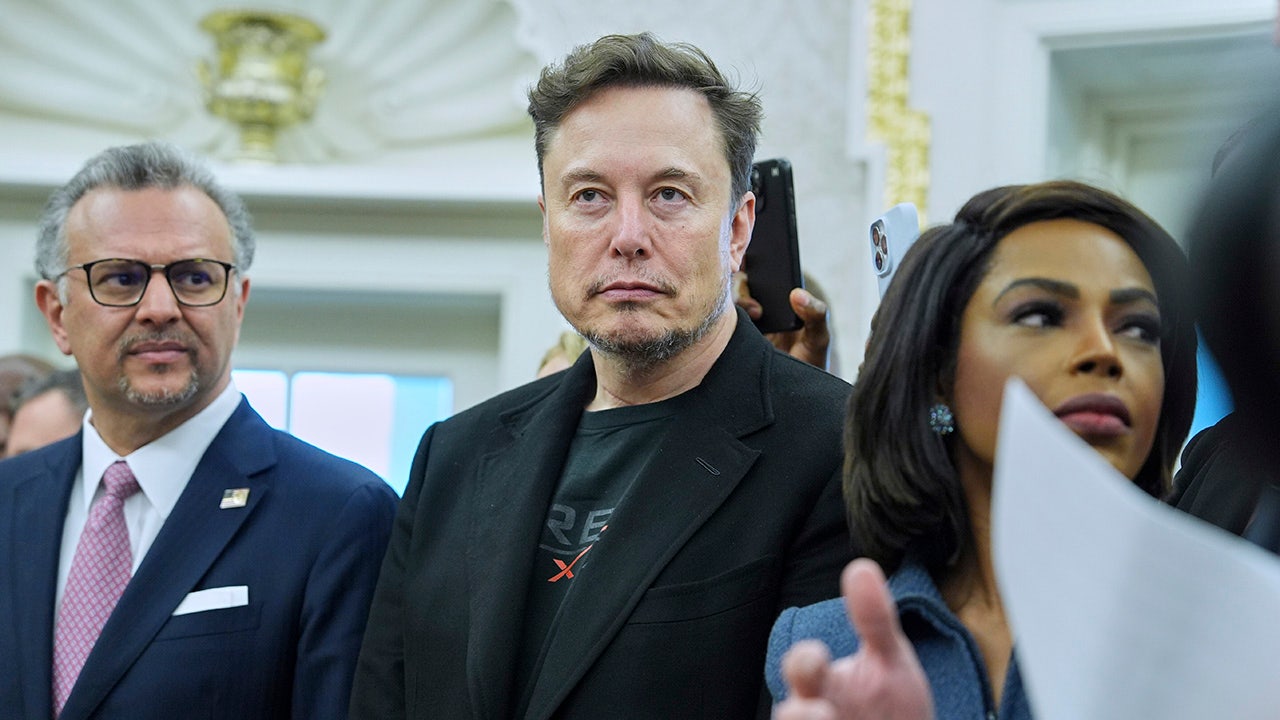
SpaceX is finding itself in a familiar Washington squeeze, with a massive footprint, plenty of money, and a fresh wave of political heat heading its way. As Democrats prepare to tighten their grip on Congress, the company has brought in seasoned lobbyists with deep ties to the party, while lawmakers signal they want answers on everything from Ukraine to Pentagon dependence to Musk’s ties with the Trump world.
The move puts SpaceX squarely in the middle of a bigger fight over power, influence, and who gets to set the rules for the next round of tech oversight. Public records show the company has hired five veteran lobbyists from Mehlman Consulting, a bipartisan firm that knows its way around Capitol Hill and the executive branch alike.
That timing is no accident. Democrats have been floating investigations into whether SpaceX limited Ukraine’s satellite communications inappropriately, whether the military has become too reliant on one private company, and whether Musk’s government relationships created conflicts that deserve a hard look.
SpaceX is no small target. With a market value near $2 trillion, the company sits at the center of aerospace, telecommunications, AI, and space transportation, which means any real hit to its standing could ripple far beyond Musk’s orbit.
The political mood around Musk has also shifted. He has tried to step away from the right-wing spotlight after the GOP’s rough midterm showing, even saying at a New York Times summit that he’s “not MAGA.”
He also took a shot at the idea that his political spending bought the kind of result he wanted. “I feel pretty foolish about having spent so much money and not seeing much. Or maybe it would have been much worse without that,” he said at the event. “I’m not sure what MAGA means, but if that means sort of blind adherence to a set of policies by the Republican Party, then I certainly don’t have that.”
Even so, the scrutiny from Democrats is not letting up. House Minority Leader Hakeem Jeffries has been open to examining Musk’s time in the Trump administration, where he served as the head of the Department of Government Efficiency, and that kind of attention can quickly turn into a much broader political pile-on.
SpaceX is also not the only tech giant bracing for the pressure. Other high-profile firms have leaned on lobbyists with Democratic credentials when they see the winds shifting in Washington, a sign that corporate America knows how fast the ground can move when one party starts talking oversight.
That trend has helped feed a bigger story about money and accountability in the tech world. Critics argue that deep-pocketed companies use lobbying as a shield, buying access and buying time whenever lawmakers start asking uncomfortable questions.
The stakes are especially high because the company is already sitting on a huge pile of influence. Investors have been nervous about what tighter regulation could mean for AI infrastructure, data centers, and the broader tech sector, and the market does not like uncertainty when politics start circling overhead.
SpaceX’s new team includes people who have worked near some of the biggest names in Democratic politics, including a former deputy chief of staff to Sen. Maria Cantwell and a former aide to Vice President Al Gore. The registration dates suggest the company was preparing before the election dust even settled, which tells its own story about how seriously it is taking the next Congress.
Meanwhile, the company has already built a sprawling bench of paid influence on both sides of the aisle, which is exactly how major players in Washington protect themselves when the calendar flips and the power brokers change seats. The only question now is how much heat SpaceX can absorb before the fight moves from lobbying rooms to something a lot messier.
