
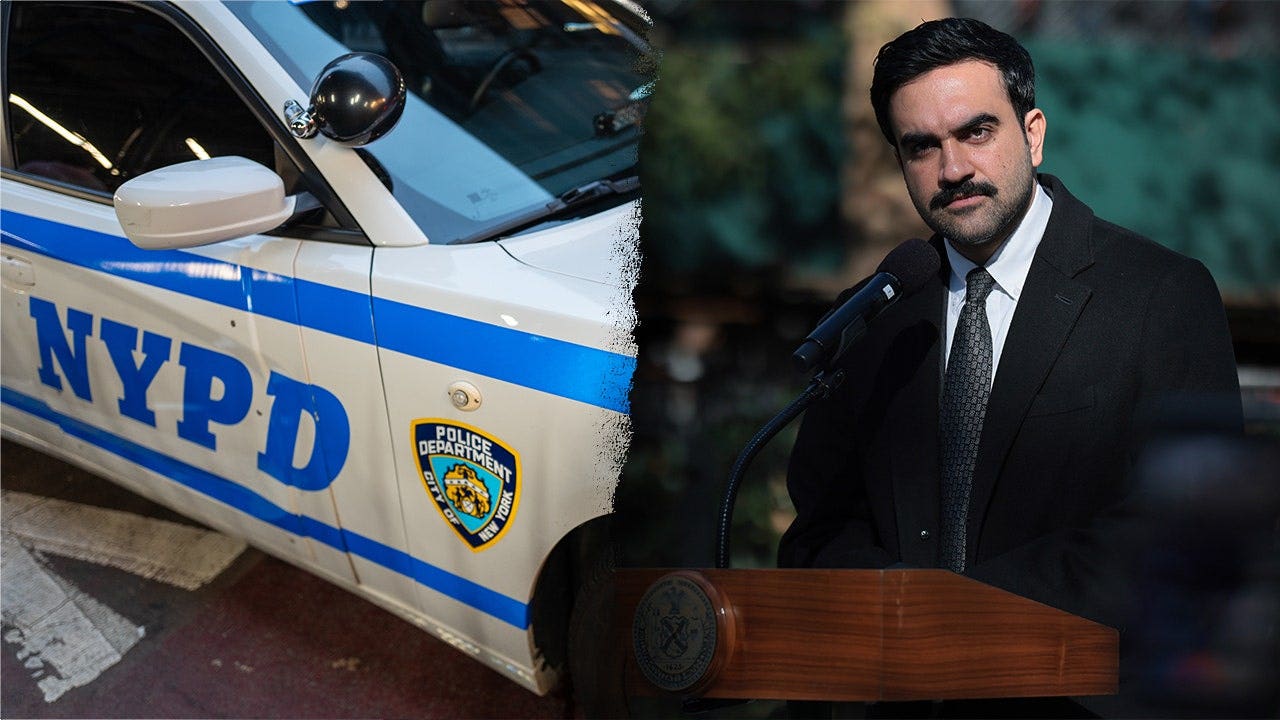
New York City is heading into a tense stretch as officials debate a major shift inside the NYPD just days before the Thanksgiving parade. A retired police sergeant is warning that breaking up a specialized public safety unit could weaken the city’s ability to handle big crowds, sudden violence, and fast-moving emergencies.
Retired Sgt. Betsy Brantner Smith, a National Police Association spokesperson with nearly three decades in law enforcement, said she would think twice before bringing her own family into the city right now. Her criticism centers on Mayor Zohran Mamdani’s move to dismantle the NYPD’s Strategic Response Group, a unit built for counterterrorism support, major event security, and protest response.
The Strategic Response Group has long been one of the department’s go-to teams for situations where coordination matters and seconds count. Smith argued that officers who train together and work together build a kind of rhythm that cannot be replaced overnight, especially when the threat could range from a chaotic protest to an active shooter.
Mamdani has defended the overhaul as a way to separate counterterrorism from the policing of constitutionally protected demonstrations. That argument plays well with activists who want a softer response to protests, but critics say the plan risks pulling apart a structure that already knows how to handle pressure without guessing in the dark.
The timing has only sharpened the concern. New York City is preparing for the 100th Macy’s Thanksgiving Day Parade, one of the largest and most watched public events in the country, with huge crowds expected in Manhattan and security planning already under a microscope.
Smith said the biggest fear is not just that the unit disappears, but that its experience gets scattered and diluted. She warned that intelligence can get lost when a specialized team is broken apart, and that kind of gap is exactly what no city wants heading into a massive holiday event.
NYPD officials have tried to calm nerves, saying the parade’s security plan is not being thrown into chaos. Assistant Commissioner Brad Weeks said the new First Amendment Support Team and Patrol Support Division will not begin operating until February 2027, and the department says current protection for this year’s parade remains in place.
The department also says counterterrorism personnel from the Strategic Response Group will shift into the NYPD’s Counterterrorism Bureau. In other words, the city is not removing every piece of specialized capability, but it is changing how those pieces fit together, and that is exactly where the argument heats up.
Mamdani says the redesign is about drawing a line between terrorism threats and protest policing. He has also said police will still be present if violence breaks out, rejecting the idea that the change means New Yorkers will be left exposed.
Still, the overhaul includes tighter rules on protest tactics, including limits on long guns, tear gas, and the routine use of pepper spray for crowd control. Officers assigned to the new Patrol Support Division would receive specialized training and keep arrest powers when needed, which shows the city is trying to keep one foot on reform and one foot on enforcement.
The reaction has not been subtle. Far-left groups cheered the move online, calling the disbanding of the Strategic Response Group a win, while police supporters viewed the celebration as another sign that public safety is getting pushed aside for politics.
Smith did not mince words about that side of the debate. She called the move a political decision and said it was dangerous, arguing that the city is taking apart a system built around experience, discipline, and shared judgment in high-stress situations.
Commissioner Jessica Tisch has defended the restructuring, saying the NYPD will keep the resources needed to confront serious threats. That reassurance may soothe some officials, but it does little to quiet the broader concern that specialized policing works best when the people doing it have already learned how to move as one unit.
The pushback has already spilled into public pressure campaigns, including an online petition urging Mamdani to reverse course. Supporters of the petition say the specialized unit remains essential for keeping the city safe, especially when large-scale events and unpredictable unrest can turn routine planning into a race against time.
For now, the city is walking a narrow line between a promised overhaul and the realities of guarding a place that never really gets to relax. As the holiday crowds build and the political stakes rise, the debate over who should respond, how fast they should move, and what tools they should have is only getting louder.
