
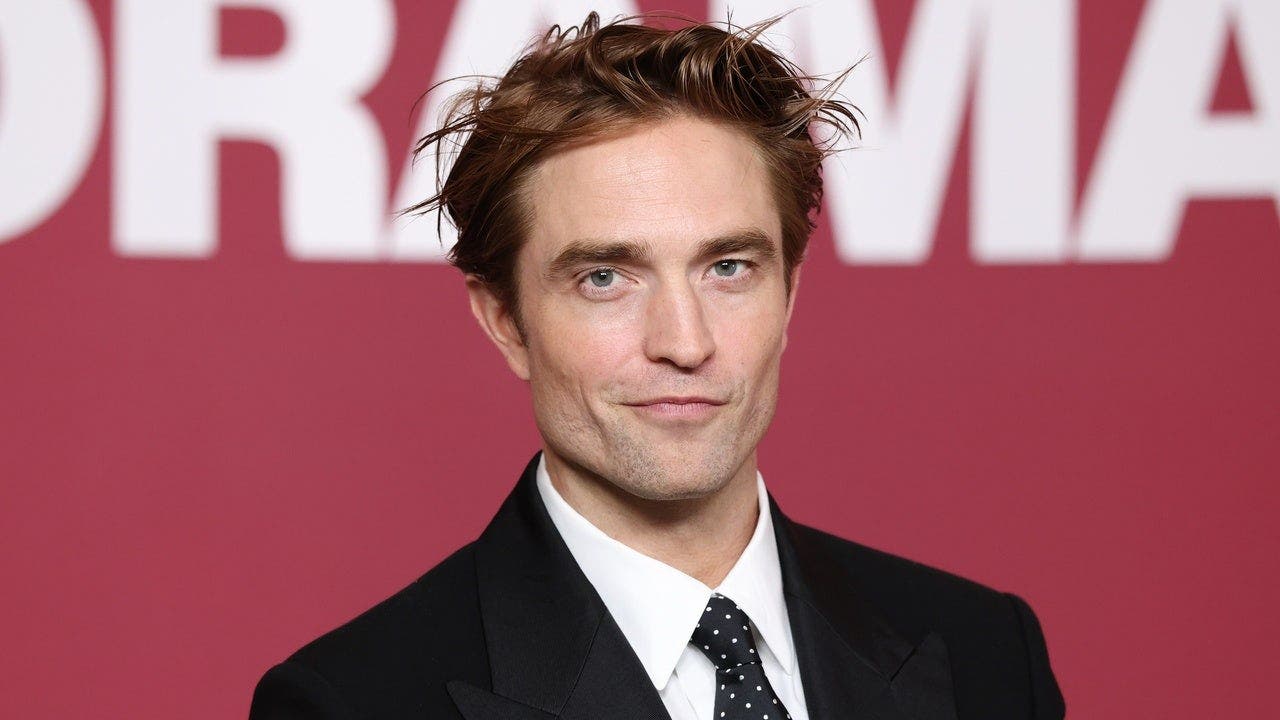
Robert Pattinson’s rumored turn as James Bond arrives with more baggage than a simple casting shake-up. The choice has sparked debate about what 007 should be in a shaky cultural moment, and whether Pattinson has the style, hardness, and presence to make the role feel iconic again.
James Bond has always been more than a spy in a tuxedo. He is the polished fantasy of competence, the man who walks into chaos without blinking, and the kind of hero a restless West has long leaned on when it needed a figure who looked calm, capable, and unafraid.
At 40, Pattinson is the right age for the job, and he does share a few of the basics that matter on screen. He is tall, dark-haired, and can wear formal clothes without looking like he borrowed them from someone else, which counts for a lot when the character is built on poise and silhouette.
Still, Bond is not just about appearance. Sean Connery gave the role a steel-backed confidence that made the character feel dangerous and refined at the same time, while Roger Moore brought a lighter touch, and even that came with easy command. Pattinson, by contrast, has often projected a more brooding, fragile energy than the old-school authority Bond demands.
That tension is part of why the casting has stirred up so much reaction. Some fans see a fresh angle and a moodier 007, while others worry that the franchise keeps drifting away from the sturdy, masculine core that made Bond a global obsession in the first place.
His past roles do offer some reason for optimism. In The Batman, Pattinson managed a larger-than-life character and carried the weight of the costume without collapsing under it, which matters because Bond also needs composure under pressure, not just a sharp jawline and a clipped accent.
But the old Bond formula depends on more than brooding intensity. The character has always worked best when he feels effortless, not like a man trying to prove he belongs in the room, and that is where Pattinson still has questions to answer.
The ideal Bond moves through danger with style, but never looks decorative. He is supposed to seem ready for a tuxedo, a fistfight, and a rescue mission all in the same breath, and he has to do it without sounding like he is giving a lecture about himself.
That is why the teaser imagery matters even when it says almost nothing. A silent figure, a gun, a dark frame, and the Bond theme are enough to trigger the whole mythology, because the audience already knows what sort of legend is supposed to step out of the shadows.
The deeper issue is what kind of hero the culture still wants to celebrate. Bond has always stood for a certain Western ideal, a clean, disciplined, stylish defender who fights without apologizing for doing the job, and that kind of figure has become rarer in modern Hollywood.
That is where Pattinson’s casting gets interesting. He may not be the obvious heir to Connery, and he may never fully look like the iron-spined secret agent of earlier decades, but he does have the chance to surprise people if the role is written with confidence instead of hesitation.
Bond only works when the performance feels sure of itself. If Pattinson can combine elegance with grit, and if the franchise stops trying to smooth over the character’s rough edges, then 007 could still land as the kind of hero who feels bigger than the moment around him.
