
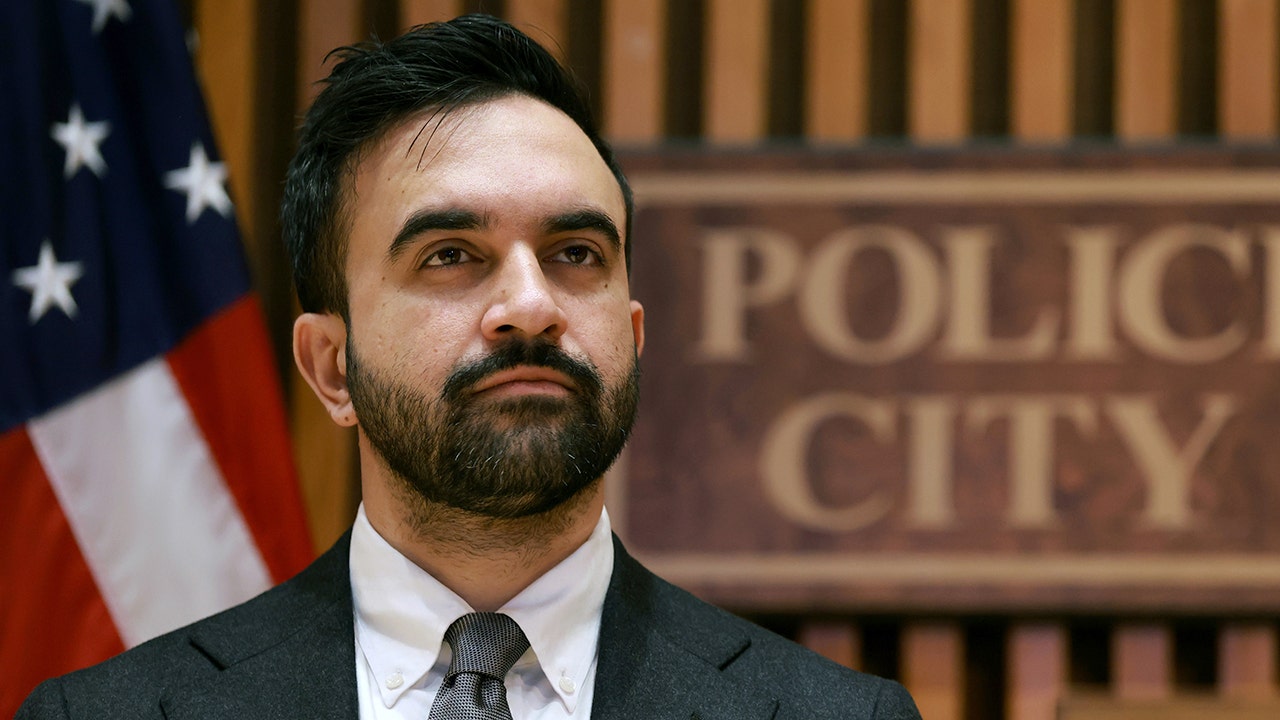
Police leaders in New York are firing back at Mayor Zohran Mamdani after his move to break up the Strategic Response Group and shift protest control into a new civilian-heavy structure. The backlash centers on a simple fear: fewer trained cops handling volatile situations and more room for chaos on city streets.
Patrick Hendry, president of the New York City Police Benevolent Association, said the decision sends the wrong message to officers and ordinary New Yorkers alike. He argued that Mamdani is rewarding the loudest agitators instead of backing the people trying to keep the city moving and safe.
“Today is not a good day for New Yorkers who just want a safe and orderly city,” Hendry said in a statement. “Mayor Mamdani is showing his true colors: He’s willing to put our safety and police officers’ safety at risk to appease his radical base. So the next time your life is disrupted by demonstrators who are blocking bridges and roadways or causing chaos on our streets, remember: Mayor Mamdani is on their side, not yours.”
Scott Munro, who leads the Detectives’ Endowment Association, went even harder on the administration. He said the mayor is detached from how policing actually works in a city that regularly faces tense protests, huge crowds, and fast-moving emergencies.
“Mayor Mamdani campaigned on the baseless notion that the NYPD’s Strategic Response Group was the problem. In reality, these brave men and women in blue have held the line against dangerous radicals who threaten public safety. Disbanding this vital unit proves just how disconnected City Hall is from the realities of policing in New York City,” Munro said.
Munro also warned that pulling detectives and other officers away from crime-fighting duties could come back to bite the city. If more resources get tied up managing demonstrations, he said, investigators lose time that should be spent on victims, arrests, and active cases.
“With diminished crowd control capabilities, NYPD Detectives will now be pulled away from investigating crimes and seeking justice for victims to help police the hundreds of protests across our city. That’s not making New Yorkers safe,” he continued. “The Mayor and elected officials applauding this decision need to remember: They’re no longer standing on a protest line. They’re responsible for leading a city. It’s time to start acting like it,” he added.
The changes come as Mamdani and Police Commissioner Jessica Tisch roll out a broader redesign of how the NYPD handles protest response. Under the new setup, the Strategic Response Group’s counterterrorism role will be absorbed into another command, while a new Community Dialogue and De-escalation Division will take the lead on demonstrations.
That new division is supposed to rely on communication, not force. The First Amendment Support Team will include uniformed officers trained in de-escalation, and the Patrol Support Division will bring in vetted officers with crowd management training to back up the city when protests get intense.
Supporters of the plan say the idea is to calm tensions before they explode. Critics hear something different: another attempt to weaken the city’s ability to respond when crowds stop being peaceful and start becoming a problem.
Munro pointed to past campus unrest as proof that the old playbook still matters when buildings are occupied and arrests need to be made. He said situations like that do not get solved by good intentions alone, especially when officers are expected to protect property, restore order, and keep people from getting hurt.
He also took aim at the faith in civilian-led response models, saying those experiments have not delivered the results promised by reformers. In his view, replacing hard police authority with softer language may sound appealing in City Hall, but it leaves real officers and real neighborhoods to absorb the fallout.
The political split here is sharp because it goes beyond one unit or one policy memo. It gets at a bigger fight over whether New York should lean on experienced officers and proven tactics, or keep gambling on reform ideas that sound polished until the first street turns ugly.
For rank-and-file officers, the concern is not abstract. If crowd control becomes more complicated and fewer specialists are available, then the people responding to the next bridge blockade, sit-in, or flash protest may be stretched thinner than ever, and New Yorkers will feel it fast.
