
Cuba’s rulers are losing the comfort of easy lies, and that is rattling them. Their long run of spinning poverty as someone else’s fault is running into louder questions, more pressure, and a growing refusal to play along.
The regime has spent decades trying to turn the United Nations into a stage where it can posture as the victim. That routine is getting harder to sell as more countries stop backing Havana’s script and the ugly reality on the island keeps surfacing.
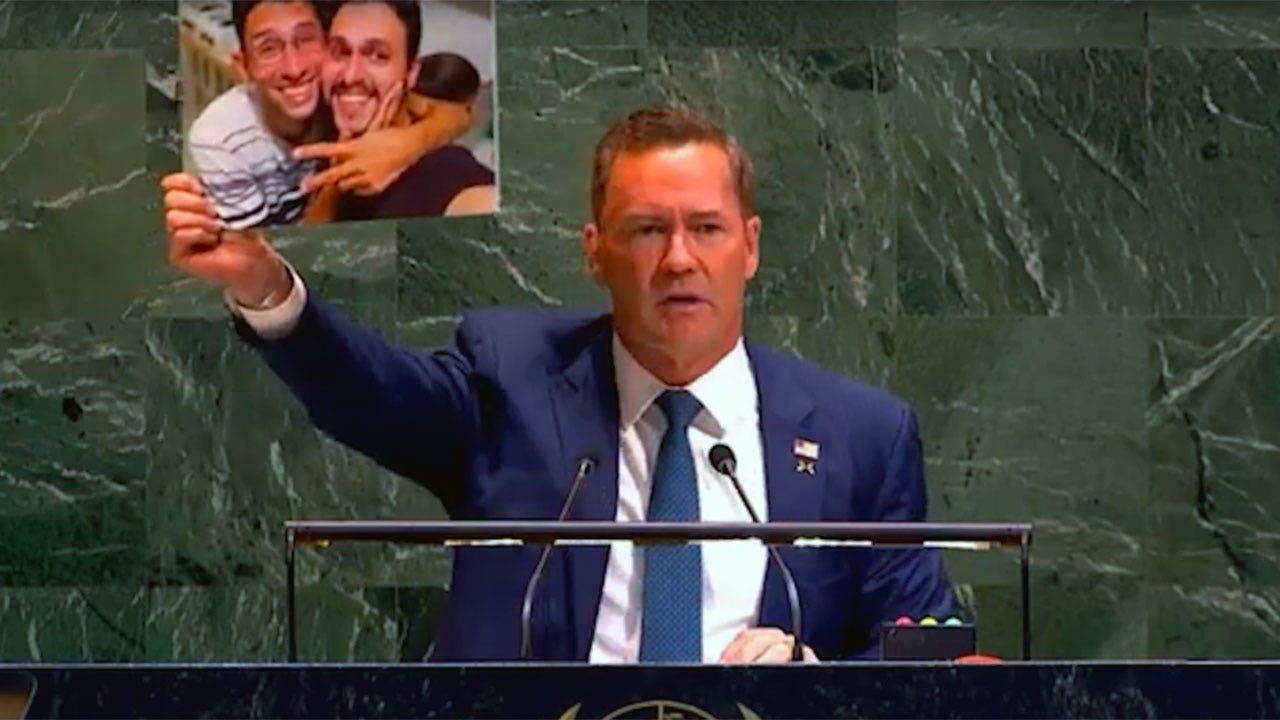
What stood out in the latest diplomatic flare-up was not just the shouting, but the panic behind it. Cuban officials banged desks, barked over others, and tried to bully their way through a conversation they clearly did not want to have.
That kind of bluster says a lot. When leaders cannot answer for blackouts, shortages, prison cells, and corruption, they usually reach for noise, threats, and theatrics instead.
For years, Havana has leaned on the same worn excuse that every problem in Cuba comes from outside pressure. That line may still work for state television, but it gets a lot weaker when ordinary Cubans are staring at empty shelves and hospitals that cannot keep basic supplies on hand.
The regime also knows the numbers are starting to betray it. More nations are refusing to rubber-stamp Cuba’s annual anti-embargo spectacle, and the shift is exposing how isolated the island’s rulers have become.
That diplomatic change matters because it cuts into the regime’s favorite illusion, the one that says the world secretly agrees with Havana. In reality, the world is beginning to see a system that enriches a tiny elite while forcing everyone else to live with scarcity and fear.
Much of that wealth sits where the public cannot touch it. Military-controlled money, hidden assets, and elite privileges paint a picture very different from the official speeches about sacrifice and resistance.
That gap between the rulers and everyone else is the heart of the story. One side has yachts, private retreats, imported luxuries, and insulation from daily pain, while the other side waits through blackouts and counts pills, meals, and hours of light.
The regime’s anger also reveals how much it fears Cuban dissidents. Political prisoners and ex-prisoners carry a moral weight the government cannot manufacture, because they speak from lived suffering instead of a podium.
Those voices matter more than the diplomatic tantrums. When former prisoners and activists are heard, the regime’s favorite claim, that it speaks for the Cuban people, starts to crumble fast.
There is also a deeper insult in the way Havana talks about shortages. The same government that confiscated property, crushed opposition, and centralized power now wants sympathy for the wreckage it helped create.
Cuba’s rulers still try to hide behind slogans about sovereignty, but slogans do not keep the lights on. They do not stock pharmacies, fill gas tanks, or stop desperate families from looking for a way out.
The country’s crisis is not some mystery. It is the predictable result of a political model that rewards loyalty over competence and secrecy over accountability.
That is why the growing pushback at international forums matters so much. Every time another country declines to support Havana’s act, the regime loses a little more of the cover it has used for years.
The challenge now is whether the pressure keeps building. Havana can shout at diplomats all it wants, but that kind of noise does nothing to silence the bigger cry from inside Cuba, the one asking for dignity, opportunity, and a life without fear.
And that cry is not fading. It keeps rising from the island, from families worn down by shortages, from prisoners still waiting for justice, and from a people who have heard enough excuses to last a lifetime.
