
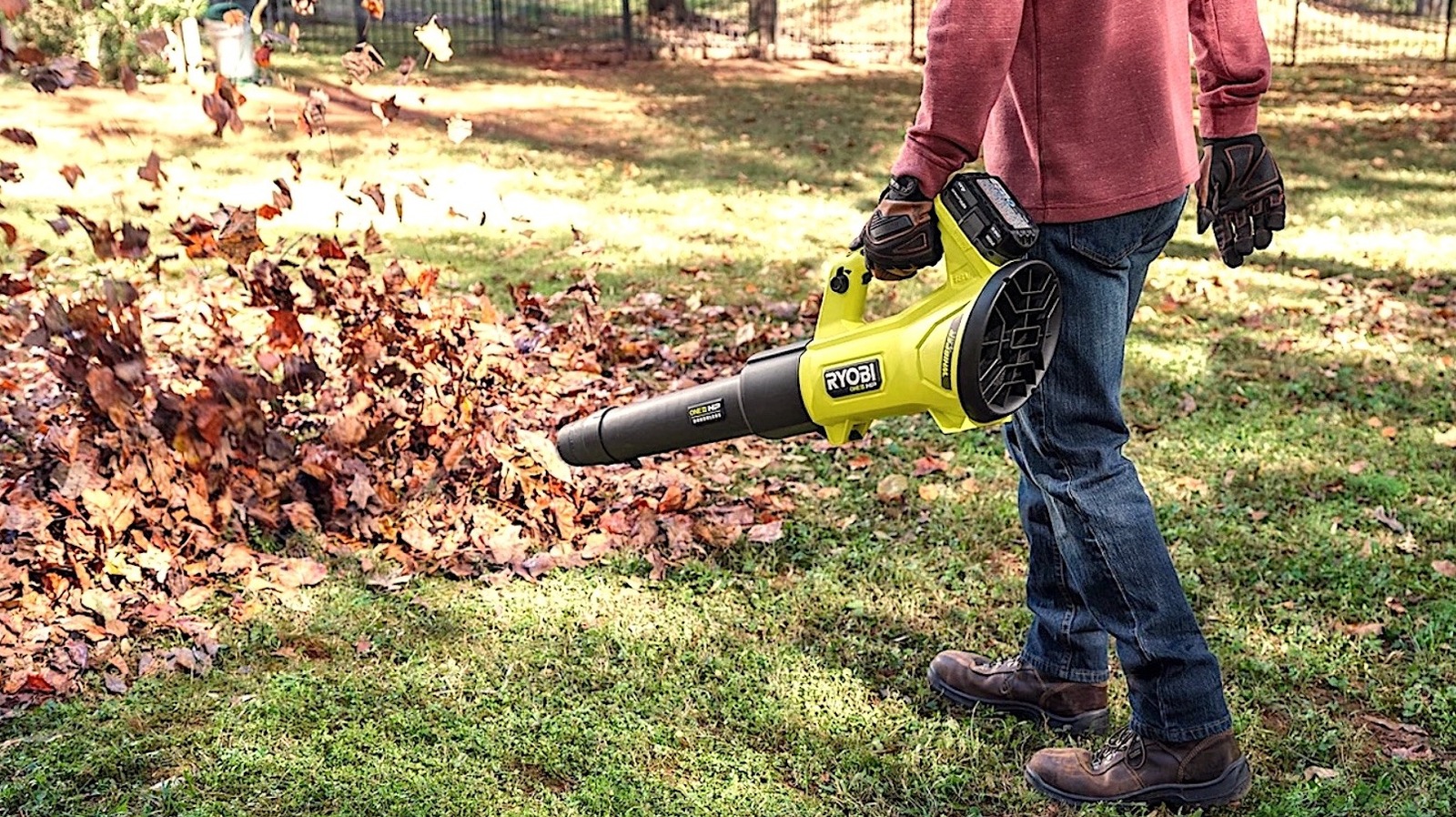
Battery-powered leaf blowers have earned a lot of fans for good reasons, but they are far from perfect. The big tradeoff comes down to convenience versus performance, and that gap can matter a lot once fall cleanup turns into a real chore.
When the leaves start piling up, a blower can feel like a lifesaver for patios, sidewalks, driveways, and lawn edges. Battery models are especially attractive because they are lighter, easier to move around, and usually quieter than gas units. They also avoid the smell and hassle that come with gasoline, which makes them feel cleaner right out of the box.
The first real drawback is battery life, and it can be a dealbreaker for bigger yards. Once the charge runs down, the work stops, and that can be incredibly annoying when the job is only halfway finished. Gasoline is easier to top off than waiting on a battery to recharge, and a dead pack can quickly turn a simple cleanup into a drawn-out project.
Power is the other major sticking point. Some battery blowers claim to go toe-to-toe with gas models, but many still struggle to match that raw, sustained blast of air. For light debris and small spaces, that may be fine, but thicker leaf piles, wet leaves, and stubborn yard messes can expose the limits fast.
That is where extra batteries start to look less like a luxury and more like a necessity. Having a spare pack on hand helps avoid downtime, but it also adds cost, and those lithium-ion batteries are not cheap. The more runtime and output a homeowner wants, the more expensive the whole setup tends to become.
Voltage matters too, since stronger battery blowers often cost more and usually need larger, heavier batteries. That can erase part of the weight advantage that made the tool appealing in the first place. It also means buyers end up comparing specs more carefully than they might expect for something that seems as simple as moving leaves around.
For people who want a low-cost route, the old-fashioned rake still has a place. It is quiet, cheap, and dependable, even if it asks a lot more from the person doing the work. That makes it a practical choice for smaller yards or for anyone who would rather avoid another battery-powered tool in the shed.
A lawn mower can also handle leaf cleanup in a pinch, especially with a bag attached or when set to mulch. Mulching can feed the lawn while trimming down the mess, though bagging means stopping to empty the container again and again. On a larger property, that stop-and-go rhythm can become tedious fast, but it still offers a simple workaround when a blower feels like overkill.
