
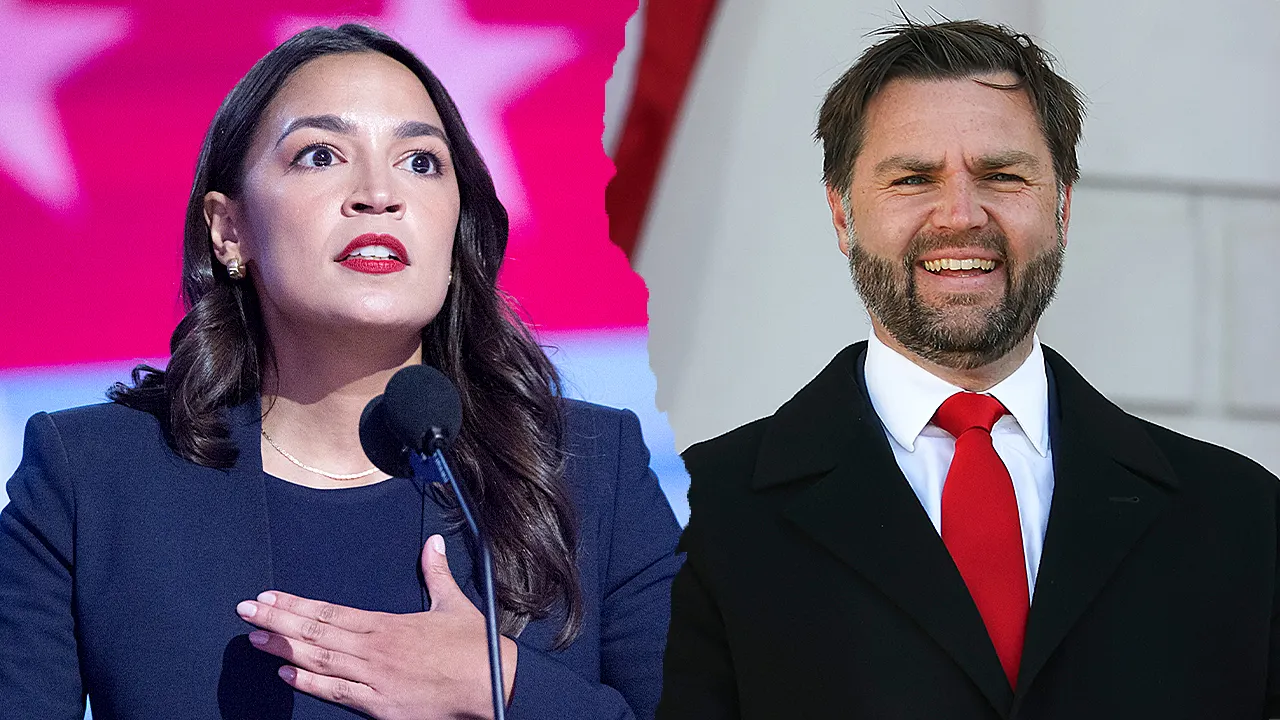
The 2028 race is already taking shape in the prediction markets, and the early numbers are messy, revealing, and a little bit wild. Jon Ossoff, J.D. Vance, Gavin Newsom, Alexandria Ocasio-Cortez, Marco Rubio, and Ron DeSantis are all popping up in different spots, while the markets are still trying to sort out who looks like a real contender and who is just getting traded like a headline.
That is what makes these early odds so addictive. They are not perfect, not this far out, but they do a decent job of showing where the energy is, where the hype is, and where the smoke is thin. With nearly half a billion dollars already moving through Kalshi’s 2028 markets, the betting crowd is treating this like more than a party game.
At the top of the Democratic side, Ossoff is the surprise name with the strongest odds, sitting around 26% for the nomination. That is a big number for a senator many voters still cannot place, even after a strong Georgia win that made him impossible to ignore. The market loves momentum, and Ossoff has enough of it to stay in the conversation.
Vance is the Republican standard-bearer in the early numbers, but the gap between his nomination odds and his presidential odds tells a story all by itself. He is leading the GOP field for the nomination at about 33%, yet his path to the White House is priced much lower, which fits the old vice-presidential curse. The market is basically saying he can probably clear the party lane, but November is a different animal.
Still, Vance has one thing that traders never fully discount: upside. He has already shown an ability to survive the rough edges of national politics, and that matters in a race where the loudest voices usually burn out fast. He also leaves open the possibility that he will not run, which politicians tend to say right up until they are clearly running.
Newsom’s slide has been one of the sharpest moves in the Democratic field. A year ago, he looked like a front-runner with national juice, but the market has cut him down to roughly 12% for the nomination. Once he is out of the California governor’s office, he will have more time, more visibility, and probably more opportunities to remind everyone he is never far from a camera.
Ocasio-Cortez sits in that tricky middle zone where the attention is huge but the destination is still fuzzy. Traders give her around 13% on the Democratic side, though the market seems more convinced she could try a Senate run than a presidential one. If she stays out front in the progressive lane, somebody else is going to try to claim that space anyway.
Rubio is another name stuck in a strange spot. He is sitting at about 18% on the Republican side, but the market sees him as just as plausible in a vice-presidential role as at the top of the ticket. That is the kind of position that keeps a politician relevant without answering the biggest question of all, which is whether the public wants the whole package or just the label.
DeSantis has quietly turned into one of the biggest movers in the Republican field. He had been buried well below the top tier before the midterms, but now he has climbed into a stronger position and is pressing Rubio much harder than he was before. That bounce matters because politics rewards anyone who can stay alive long enough for the next opening.
Below those names, the field starts looking more like a bargain rack than a front page. Beshear, Buttigieg, Kelly, and Shapiro are all sitting in the single digits on the Democratic side, with Kamala Harris now grouped with the long shots despite having already been on the top of the ticket before. It is a rough reminder that yesterday’s power can evaporate fast when the next cycle starts to harden.
On the Republican side, Cruz and Youngkin are hanging around the lower tiers, while Kemp and Hawley have enough interest to look like possible value plays if the field fractures. Even Trump remains part of the conversation, partly because he always is and partly because he enjoys making everyone else react. The market may not expect a return, but it never fully ignores the possibility of a political grenade landing in the room.
The biggest lesson in all of this is that the field is still soft, and soft fields move. A speech, a stumble, a fundraiser, or a bad week on cable can shift the prices in a hurry. Some of these names will climb, some will fade, and a few will be forced out long before any ballots are cast.
That is what gives these early odds their bite. They are not just numbers on a screen, they are a live read on ambition, fear, and momentum in a party system that never stays still for long. By the time the serious testing starts, today’s favorites could look obvious or absurd, and a name barely noticed now may be the one everyone is chasing next.
