
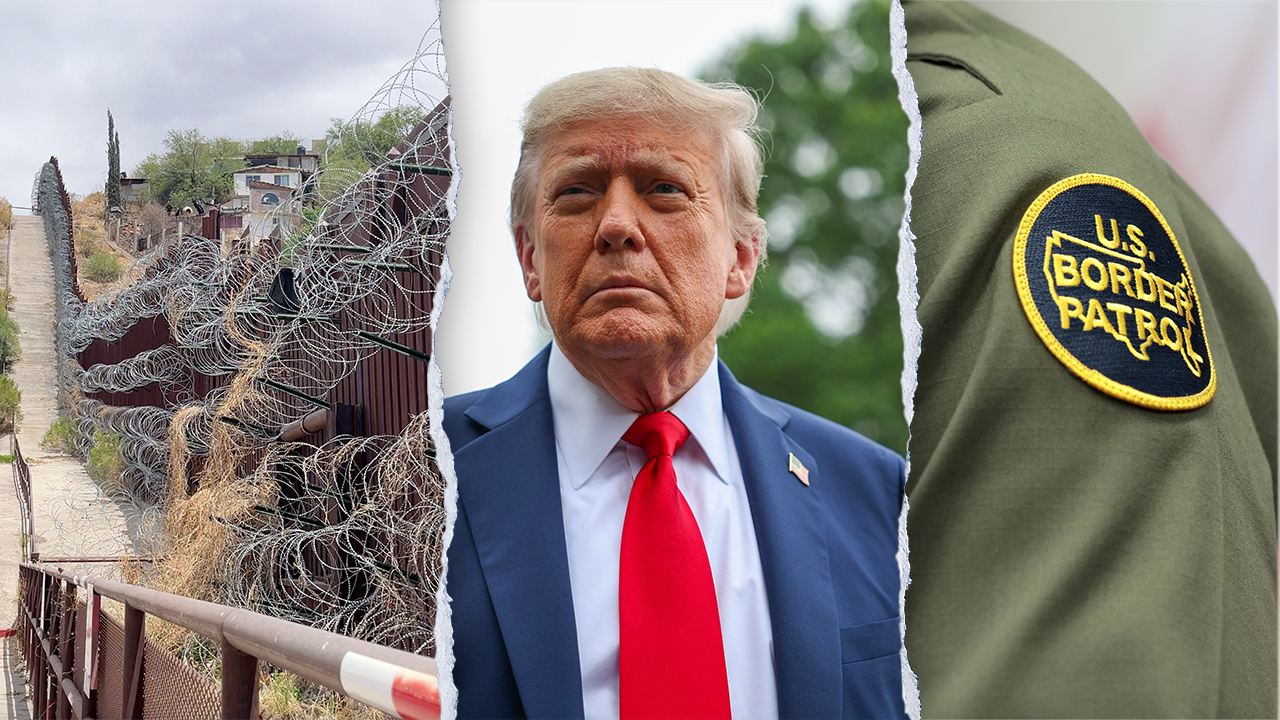
Trump is turning border security into a hard-edged pressure campaign, telling Mexico to stop a new migrant caravan or face a sharp tariff hike. The message landed with the kind of blunt force that leaves little room for doubt, especially as migration and the midterm fallout keep colliding in the political conversation. It also puts state-level enforcement fights, court battles, and Republican border rhetoric back in the spotlight at the same time.
In a Truth Social post, Trump said “Huge CARAVANS are forming and beginning their illegal march through Mexico,” framing the movement as part of a broader failure by other countries to deal with migrants on their own soil. He added that many people in the caravans are the ones “various countries don’t want,” and argued that the U.S. should not be treated like a dumping ground. The warning was unmistakable: if Mexico does not stop them, tariffs on Mexican goods will be “IMMEDIATELY DOUBLED.”
Trump also tied the caravan to politics, suggesting the midterm losses helped fuel the latest wave of migration. “Here we go again!” he wrote, blaming what he called the “perceived loss by the Republicans in the Midterms” for what he described as another “invasion” at the southern border. The rhetoric fits a familiar pattern from his first term, where immigration was not just a policy issue but a central test of national resolve.
The caravan itself is reported to include about 1,500 migrants, most of them from Central America, who left Tapachula near the Guatemala border earlier in the week. That route has long been a launching point for people trying to make their way north, and the timing gives the issue fresh urgency as election-season debates spill into real-world border enforcement. For Trump, that mix is exactly the kind of moment that invites a show of force.
Behind the headlines, the legal and political terrain is shifting too. Midterm gains by Democrats in some states could affect how aggressively immigration laws are defended in court, especially where Republican-backed measures depend on a state attorney general willing to stand firm. In Texas, that matters for SB4, the law that lets state authorities arrest and prosecute people suspected of crossing illegally.
Texas Attorney General Ken Paxton remains in office until Jan. 1, 2027, but the next attorney general, Nathan Johnson, could choose a very different path. If he declines to defend SB4, the legal footing around the law could get shakier, and that would matter far beyond a single case. The Fifth Circuit already allowed the law to take effect while challenges continue, so any change in defense strategy could become a major pivot point.
Florida officials, meanwhile, are leaning the other way and speaking in sharply pro-enforcement terms. Florida Attorney General James Uthmeier rejected the idea of opening the door to amnesty and argued that border security and aggressive deportations have made the state safer. “I don’t think we can entertain amnesty in a conversation,” he said, while pointing to what he described as record removals of criminal illegal aliens and a drop in crime.
The Supreme Court is also weighing an Iowa case involving a law that would let state officials arrest and prosecute people in the U.S. illegally. That appeal could become another test of how much power states should have when federal immigration policy feels stalled or inconsistent. If Iowa’s Democratic attorney general-elect chooses not to defend the law, the case could take on a very different shape before justices even decide whether to hear it.
That backdrop explains why the caravan story is pulling in so many separate threads at once. It is not just about a group moving north, or one post on social media, or a single threat about tariffs. It is about a border fight that keeps spilling into state courts, campaign messaging, and the larger argument over whether enforcement still means anything when the pressure starts to build.
