
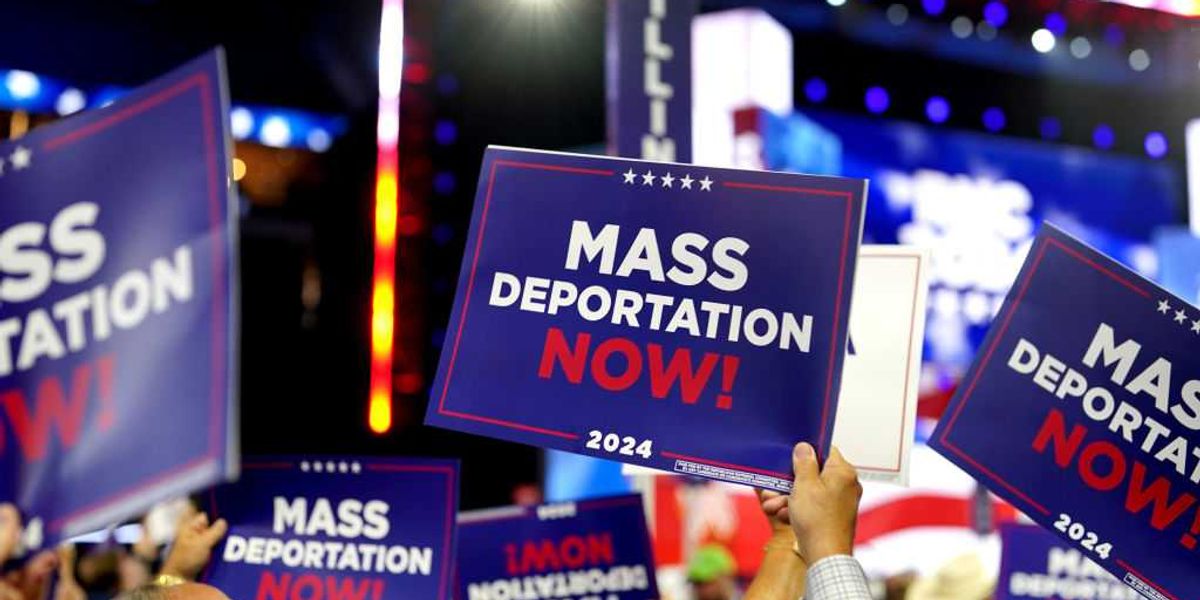
The immigration fight is back in the spotlight, and the pressure points are the same ones that keep coming up: border security, worksite enforcement, and the impact illegal immigration has on wages, jobs, and public trust. Calls for a new amnesty are drawing a hard line from critics who say the country has already watched this play out before, and the warning is blunt: reward lawbreaking now, and the cycle starts all over again.
The argument against amnesty is rooted in a simple idea. If people can break into the country, stay for years, and then get legal status after the fact, the law stops meaning much. That is why border hawks say enforcement has to come first, because any plan that skips that step sends exactly the wrong message.
Supporters of tougher policy also keep coming back to the strain illegal immigration puts on the labor market. When employers hire workers off the books, it undercuts American workers who are trying to compete on a level field. That is not some abstract talking point, either, because it lands directly in paychecks, job security, and the pressure felt in towns where wages have already been squeezed.
Worksite enforcement sits at the center of that debate. If businesses know they can hire illegally and face little consequence, the incentive to keep doing it stays alive and well. A serious crackdown would hit the demand side of the problem, which is where a lot of advocates say the real leverage is hiding.
There is also the broader national security angle that keeps getting louder. A weak border does not just mean more people crossing without permission, it also means the system is less capable of tracking who is coming and going. That is why homeland security arguments are so tightly tied to immigration enforcement, because the issue is bigger than a single political fight in Washington.
Some Republicans have been especially vocal about refusing another round of legalization without major concessions first. The worry is that once legal status gets handed out broadly, the border crisis gets locked in as the new normal. That is a tough message, but it resonates with voters who think laws should be enforced before they are rewritten.
The population growth angle adds another layer. Rapid growth driven by illegal immigration can put pressure on housing, schools, hospitals, and local services, especially in communities already stretched thin. Those costs do not stay theoretical for long, and residents tend to notice when the pace of change outruns the capacity to absorb it.
There is a reason the language around “amnesty” still hits a nerve. To critics, it sounds less like reform and more like surrender, a signal that the system can be gamed long enough to earn a reward. That is where figures like Stephen Miller and other hardliners keep pressing the point that enforcement cannot be treated as optional window dressing.
President Trump’s name keeps surfacing in the debate because his approach made border control a centerpiece instead of an afterthought. For many voters, that style of politics was refreshingly direct: secure the border, back immigration law, and stop pretending the current mess is sustainable. The same crowd is now looking for that kind of clarity again, not another polished promise that fades once the cameras leave.
There is also a political reality Washington cannot dodge forever. If leaders want to talk about immigration reform, they first need to show they understand what has gone wrong with immigration law and enforcement. Without that, every new proposal just looks like another way to paper over the same failure, while the border keeps sending the same message back in louder and louder fashion.
