
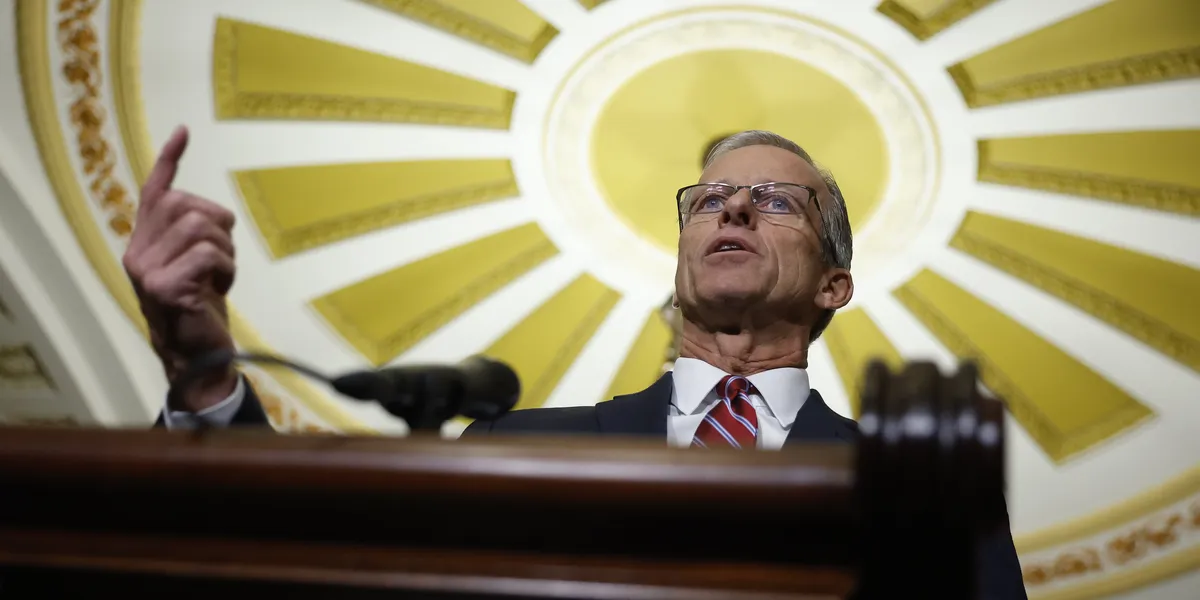
Senate Republicans are drawing a sharper line over President Trump’s latest Cabinet choices, and the pushback is turning into a test of how much room party leaders have to maneuver. John Thune is making clear that senators are not being boxed into a single reaction, while conservative pressure keeps building around nominees seen as too risky or too unconventional.
What happens next will say a lot about the balance of power inside the GOP. Some senators want a fast, clean confirmation process, while others are signaling that scrutiny matters and that controversial picks should not glide through just because they came from Trump.
Thune’s message is simple enough: the Senate is not a rubber stamp. When nominees stir up real concern, he says every option stays in play, which leaves plenty of room for leadership to slow things down, negotiate, or let the chamber work through the tension the hard way.
That posture matters because confirmation fights are never just about one person. They usually become a broader battle over discipline, loyalty, and whether Republican senators want to be seen as independent voices or as a unified front behind the White House.
Mike Lee and Bernie Moreno are part of the mix, and their names keep popping up because they represent the sharper edge of the party’s internal debate. For many conservatives, the real question is not whether the nominees are bold, but whether they are effective, trustworthy, and ready for the grind of governing.
Trump’s Cabinet selections have a habit of forcing senators to choose between instinct and strategy. Supporters like the energy and the break from business as usual, but critics worry that a headline-grabbing pick can create headaches that last far longer than the news cycle.
That is where leadership gets tricky. Thune has to keep the conference moving without pretending the concerns do not exist, and that usually means walking a narrow path between patience and pressure.
The Senate has seen this movie before. Big-name nominations can look unstoppable at first, then hit a wall once senators start asking whether a candidate can survive a hearing, satisfy the base, and still avoid dragging the party into a needless fight.
Republicans also know that the public rarely rewards endless infighting. Voters want competence, results, and fewer theatrics, so every confirmation battle carries a risk: look too weak and the base gets annoyed, but push too hard and the party looks divided and messy.
Thune’s comments suggest he understands that the caucus needs flexibility. Leaving “all the options” open is not just a throwaway line, because it signals that leadership may use every tool available if a nominee becomes too controversial to move without consequences.
That kind of caution can frustrate Trump loyalists who want speed and loyalty on day one. Still, it also reflects a reality that Senate Republicans cannot dodge forever, which is that confirmation fights are one of the few places where individual senators still have real leverage.
For now, the story is less about a final yes or no than about how hard the party wants to lean into the fight. The answer will tell conservatives plenty about whether the Senate GOP is prepared to back Trump’s bolder instincts or draw lines when a pick starts to look like a step too far.
