
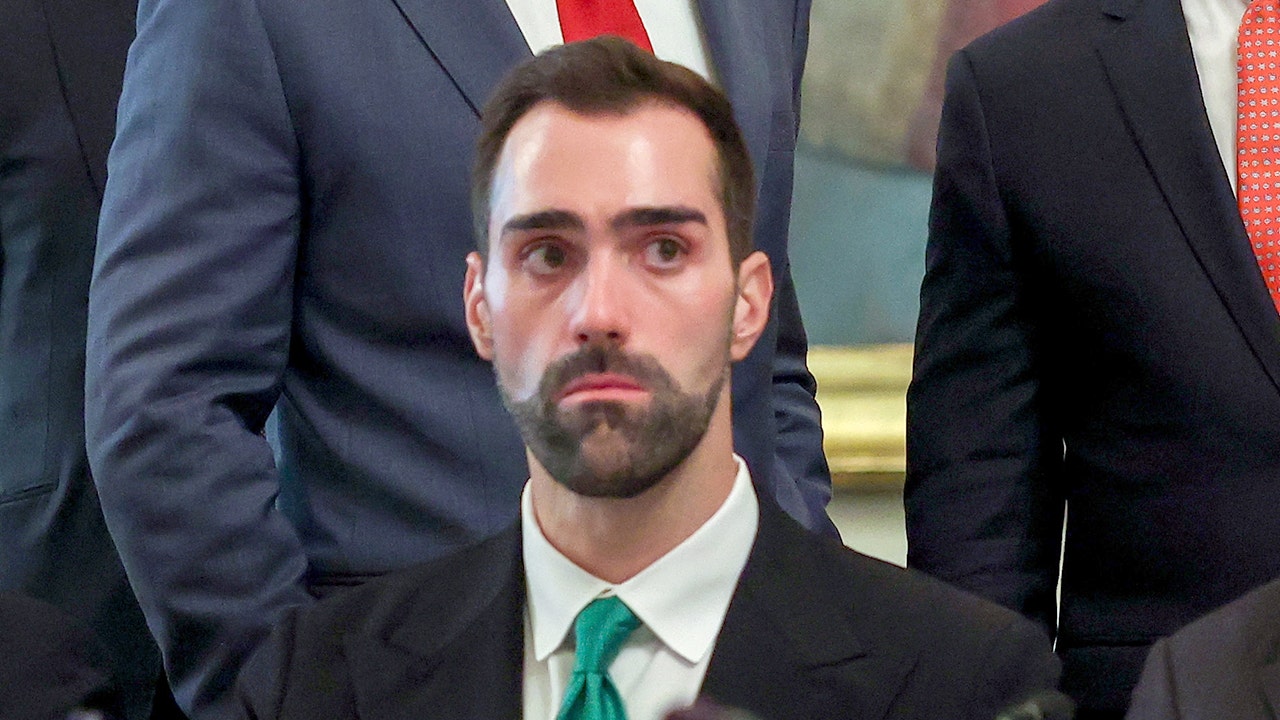
White House staffing is shifting fast as Richard Walters heads out and Stephen Miller steps in to take a bigger role. The change lands in the middle of a broader shake-up inside the Trump administration, with familiar faces moving aside and new power centers taking shape.
Walters, who served as deputy chief of staff under Susie Wiles, is leaving after a relatively short stretch in the job. Miller confirmed the exit and praised Walters as someone who helped deliver key wins for the administration, while also saying he would still be available to help from the outside.
“Richard has been an invaluable member of the White House and has helped deliver some of the Administration’s biggest victories. While he will be leaving us, Richard will continue to help from the outside as we continue to work with all of our strength to deliver for President Trump and his courageous fight to Save America,” Miller said.
The departure closes the book on Walters’ months in the role, which began in May 2026. Before that, he worked as executive director of the inaugural committee for Trump and Vice President JD Vance, giving him a long resume tied closely to the administration’s inner circle.
Miller’s rise is the bigger headline here. He is set to take over Monday, and Walters’ exit is the first major sign that the West Wing is moving to fit Miller’s style and priorities.
That kind of turnover is not unusual when a new chief of staff comes in, but it still sends a clear signal. Staffers know the temperature changes quickly when a new boss arrives, and even seasoned aides often rethink their plans the moment the chain of command shifts.
The shake-up is also tied to the larger political fallout after the midterm elections, when Republicans lost control of both the House and Senate. For Trump, that defeat appears to have accelerated an effort to reset the team around him and tighten the operation heading into the next phase.
Wiles’ departure was part of that same transition. A White House official described the move as “very amicable” and said she submitted her resignation Thursday night, which suggests this was a managed handoff rather than a messy break.
Miller has already been framed by Trump allies as one of the most trusted voices in the room. That kind of trust matters in a White House that runs on loyalty, speed, and message discipline, especially when big policy fights and internal pressure are all happening at once.
The changes are not limited to the West Wing itself. Miller’s wife, Katie, also said she is stepping back from her podcast, saying family needs come first as her husband takes on the new post.
“With @StephenM taking on this new role for President Trump, I’ve decided to stop recording new podcast episodes,” Katie said in a post on X. She added, “Nothing is more important than raising our four kids. While I’ve loved the podcast, the time commitment is too great and now is the time to step away. I’ll be cheering President Trump and his team on from outside the administration,” she added.
Her show will still release two episodes that were already recorded, but no new ones are being made for now. It is another sign that the family side of these political jobs can get swallowed up fast when the White House gears up for a new phase.
For Walters, the exit does not sound like a hard break from the administration world. The message from Miller points to an arrangement where old allies remain available, just not in the same offices or under the same titles.
That sort of overlap is classic Washington. People may leave their desks, but they often stay in the loop, still connected to the same network of advisors, donors, and policy strategists who keep the machinery moving behind the scenes.
The real test now is how quickly Miller can settle in and build around him the team he wants. In the Trump orbit, that usually means a fast pace, a narrow circle of trust, and very little patience for drift.
