
The Justice Department is in the middle of another fast-moving shake-up, with top officials stepping aside in quick succession and leaving a fresh round of questions about what comes next. The latest departures involve the head of the National Security Division and the U.S. attorney in Miami, both names carrying real weight inside an agency that rarely changes course this quickly.
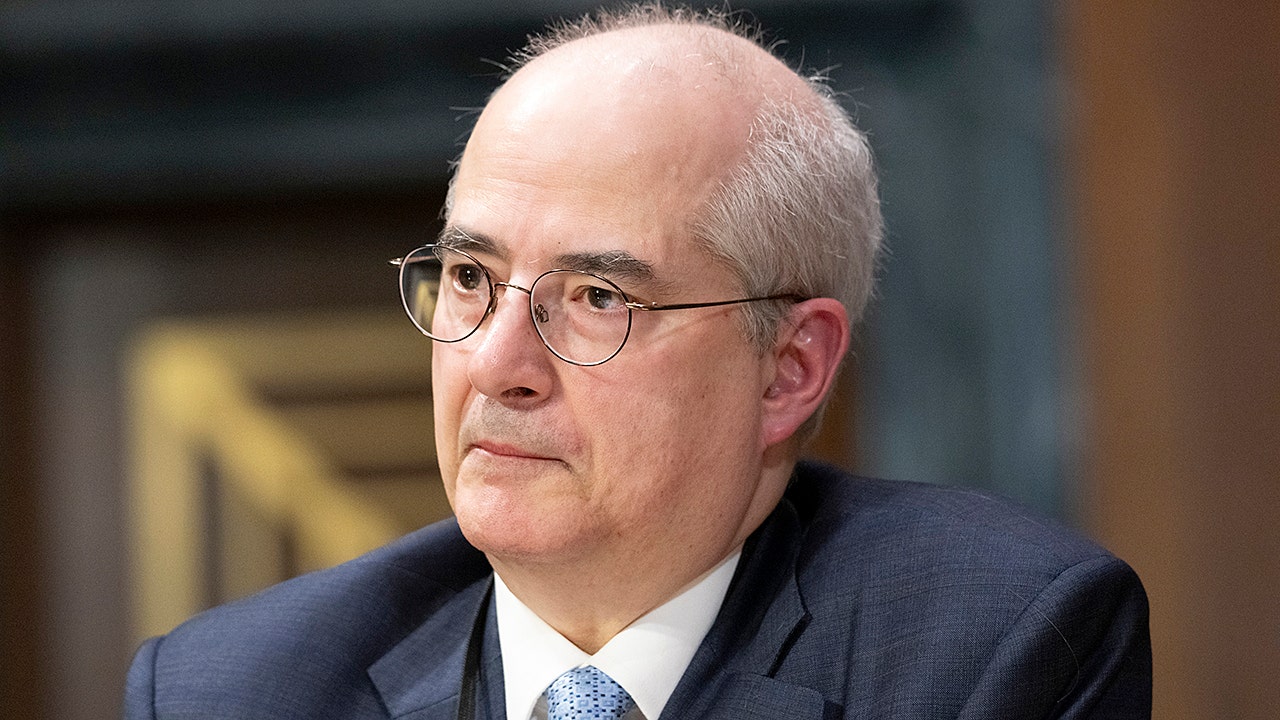
John Eisenberg, who led the National Security Division, is leaving his post after serving in one of the DOJ’s most sensitive jobs. Attorney General Todd Blanche confirmed the exit publicly and praised Eisenberg for helping push the department’s counterterrorism and public safety work forward.
Blanche said, “He has served with distinction, strengthening our nation’s ability to address threats, both foreign and domestic,” Blanche said. “Under his leadership, the Division advanced President Trump’s mission to make America safe by prosecuting terrorists and working with our law enforcement partners to disrupt planned attacks on the American people.”
Eisenberg’s departure also stands out because it marks another chapter in a career already tied closely to Trump-era legal operations. During Trump’s first term, he worked as an assistant and deputy counsel to the president and also served as a legal adviser to the National Security Council, putting him near the center of major national security decisions.
His time at the department had carried the kind of quiet intensity that comes with national security work, where the stakes are high and the public often sees only fragments. The division he led deals with threats that can unfold without warning, from terrorism concerns to sensitive intelligence matters, and that makes leadership changes there especially noticeable.
Before the news of Eisenberg’s exit had fully settled in, Blanche announced another resignation, this time from Jason Reding Quiñones, the U.S. attorney for Florida’s Southern District. That office has long been one of the most closely watched in the country because of the major criminal and national security cases that move through it.
Quiñones’ office drew attention in part for its indictment of Raúl Castro, the former Cuban president who succeeded his brother Fidel Castro. Cases tied to Cuba, narcotics networks, and transnational crime often put the Miami office on the front line of some of the most politically charged and legally complicated work in federal law enforcement.
Blanche offered a broad thank-you to Quiñones, saying, “We are grateful for Jason’s leadership in combatting violent crime, drug trafficking, sex trafficking, and transnational crime,” Blanche said. “Jason has served the Department multiple times over his distinguished career, and we thank him for his service to this country.”
The timing matters here. These resignations landed just a day after Harmeet Dhillon, who led the DOJ’s Civil Rights Division, also said she was leaving, giving the department three high-profile departures in a very short span. That kind of turnover can create uncertainty inside any agency, but it hits harder when the names involved are tied to national security, civil rights, and major federal prosecutions.
For the department, the pace of change suggests a broader reset is underway, whether by choice or by pressure. It also means several of the DOJ’s most visible offices are about to look very different, and that shift will be watched closely by lawyers, law enforcement officials, and anyone tracking how federal power is being handed off inside Washington.
