
• Cannabis use and stroke risk
• Heart and cardiovascular concerns
• Differences between light and heavy use
• Smoking, vaping, and edibles
• Study limits and medical caution
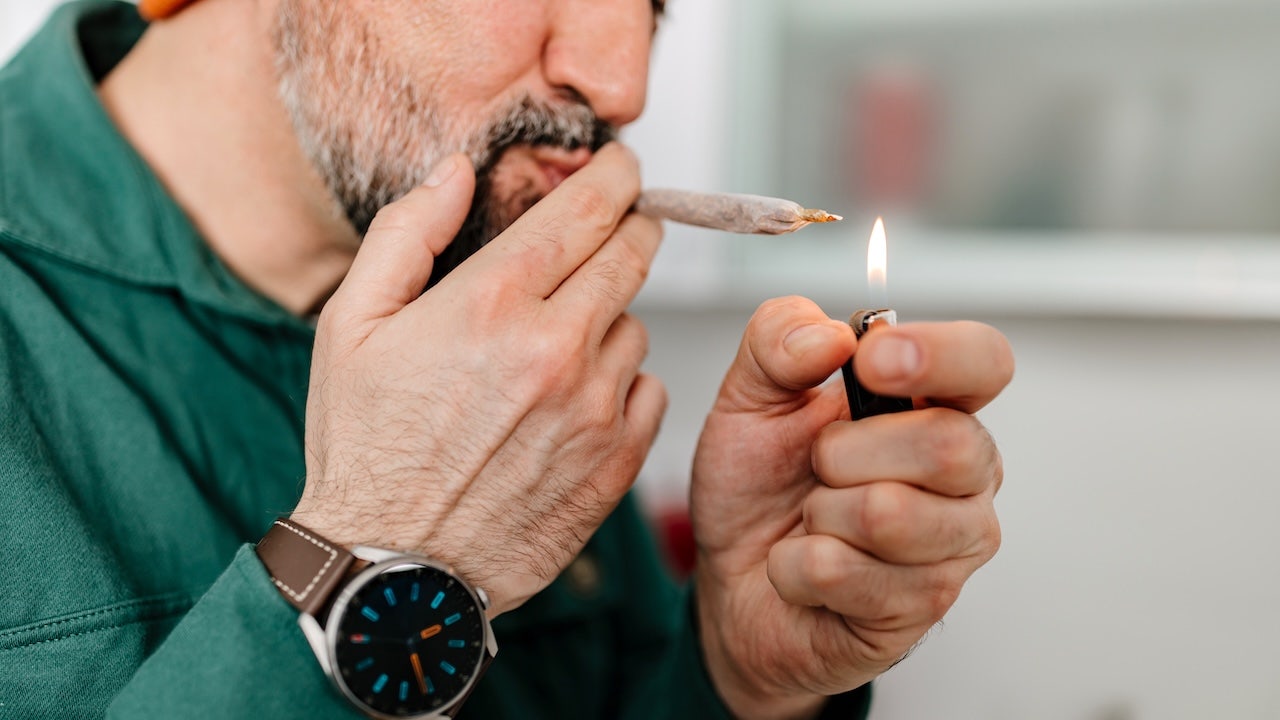
A large new analysis is putting fresh pressure on the long-held idea that marijuana is harmless to the heart. In a study of nearly 450,000 U.S. adults, cannabis use was tied to higher odds of stroke and cardiovascular disease, with the signal showing up in both occasional users and heavier users.
The research is set to be presented at the American Heart Association’s Scientific Sessions 2026 in Chicago, and it draws from survey data collected through the CDC’s Behavioral Risk Factor Surveillance System between 2020 and 2024. That gives the study a wide reach, but it also means the results show an association, not proof that cannabis directly caused the health problems.
The numbers were striking enough to get attention. People who used cannabis one to five days per month had 23% higher odds of reporting cardiovascular disease than non-users, while those using it 16 to 30 days per month had 21% higher odds.
The stroke findings stood out even more. Low-frequency users had 40% higher odds of a reported stroke, while heavy users had 25% higher odds, which cuts against the simple assumption that more use always means more danger in a neat straight line.
That pattern surprised some observers, including physicians who reviewed the data. Dr. Kristen “Nicke” Worth said the results raise serious concerns about cannabis and cardiovascular health, especially stroke, while also noting that the low-use group showing a stronger stroke link than the heavy-use group was unusual.
Even so, she warned against reading that as a sign that heavier use is safer. The better takeaway is that the risk does not look clean or comforting, and the study does not give any reason to shrug off cannabis as a harmless habit.
The method of use did not appear to change the overall picture. Whether participants smoked, vaped, or used edibles like gummies, the elevated risk remained in the dataset, which makes the findings harder to dismiss as a problem limited to one consumption style.
Lead author Dr. Aabha Divya said the team expected a more traditional dose-response pattern, where greater use would line up with greater risk. Instead, both low-use and heavy-use groups showed higher odds of heart disease, making the relationship look less predictable than many might assume.
The study also reflects a bigger public shift. According to the researchers, about one in six adults reported using cannabis in the past month in 2024, up from one in 10 in 2020, a jump that tracks with the drug’s growing availability and mainstream acceptance.
Dr. Robert L. Page II, an American Heart Association volunteer expert, said the findings challenge the way many people think about marijuana’s safety. He argued that cannabis should not be treated as an innocent bystander, especially when doctors are trying to understand why some patients develop premature heart disease.
Still, the experts involved were careful not to overstate the results. Page emphasized that people should not stop prescribed cardiovascular medications because of this report, and Worth echoed that point by urging patients not to make abrupt treatment decisions based on one preliminary study.
There are real limits here. The research was observational, captured information at a single point in time, and relied on phone survey responses, which leaves room for mistakes in memory, diagnosis reporting, and drug-use history.
The study also did not measure THC potency, product strength, or total amount consumed. That matters because cannabis today is not one fixed product, and the actual exposure could vary a lot from one user to the next.
For now, the clearest message is that cannabis is not looking like a free pass for the heart, even among younger adults who may not smoke tobacco. Anyone using it, whether for medical reasons or recreation, should talk with a clinician about personal risk factors, medications, and whether the cardiovascular picture changes the conversation.
