
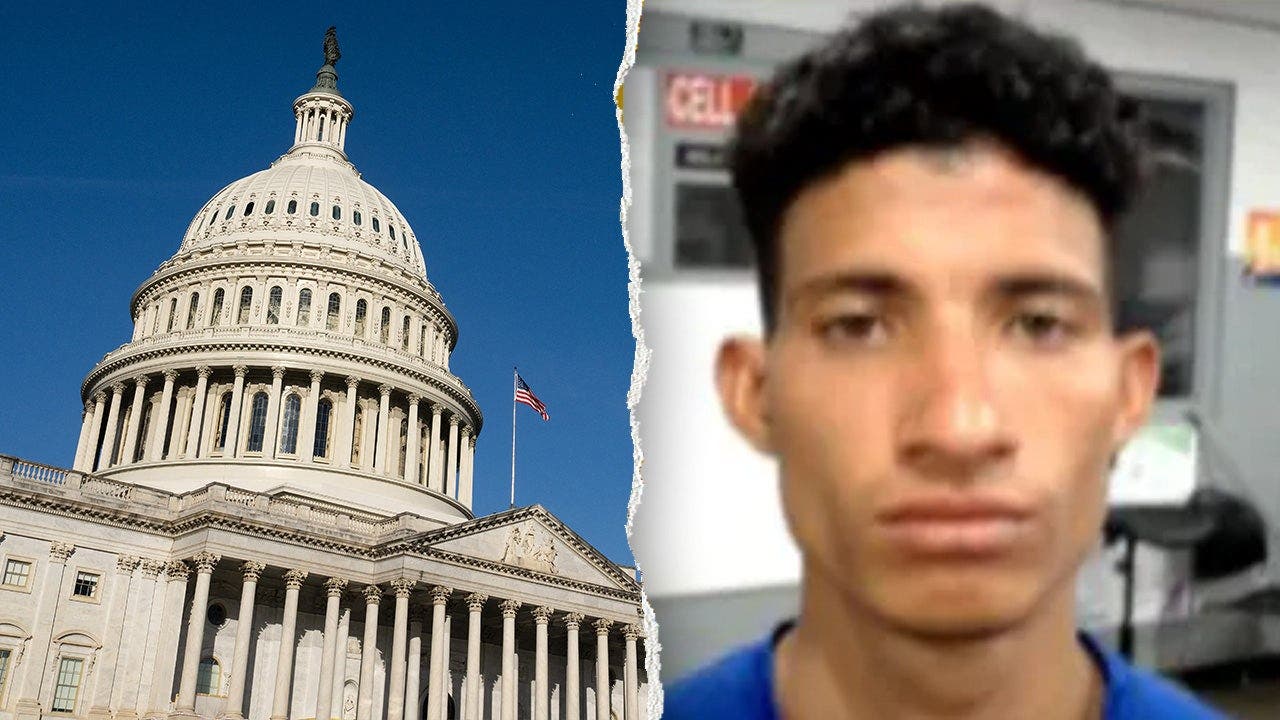
Sanctuary city politics are back in the spotlight after a convicted child molester from Venezuela neared the end of his prison sentence in Seattle, setting up a fresh fight over whether local officials will honor federal immigration detainers. The case has become a flashpoint because it mixes public safety, immigration enforcement, and a newly shifted political landscape that some conservatives say could make resistance from blue cities even more aggressive.
Immigration and Customs Enforcement has asked Seattle to hold Leomar Alexander Lopez Zambrano until federal agents can take custody of him after he serves his sentence. Without that cooperation, officials warn he could walk out of jail and disappear into the community before deportation proceedings ever get moving.
That concern lands in a city long known for limiting how much its police and jail systems help federal immigration authorities. Supporters of sanctuary policies say local agencies should not act as an arm of immigration enforcement, while critics argue those rules create dangerous gaps that let serious offenders slip away.
The timing has only added fuel to the fire. After Democrats performed strongly in the latest elections, immigration hawks say sanctuary leaders may feel more comfortable standing their ground, betting that a friendlier Congress will have their back and a weaker Republican bloc will struggle to push back.
Hans von Spakovsky, an immigration expert with Advancing American Freedom, said the political shift could encourage more defiance from sanctuary jurisdictions. He also suggested Democrats might even try to go after Trump-era immigration leaders, a move he sees as part of a broader effort to punish aggressive enforcement rather than support it.
At the center of the dispute is a simple question that keeps coming up in case after case: should local officials notify ICE when a criminal illegal immigrant is about to be released, or should they keep those lines closed? DHS argues that the answer matters because once a jail release happens without federal coordination, the trail can go cold fast.
Homeland Security Secretary Markwayne Mullin blasted Washington state officials for refusing to hand over Zambrano, saying sanctuary politicians would rather protect an illegal alien than cooperate with law enforcement. The department said detainers are one of the clearest ways to catch and remove dangerous offenders before they return to American neighborhoods.
The Trump administration’s broader approach has been to pressure sanctuary cities and counties to cooperate or face consequences. That includes sharper messaging, legal fights, and renewed attempts to make local governments feel the cost of refusing to help federal agents do their jobs.
Republicans are also watching to see whether the fight spreads beyond the usual blue strongholds. Some conservatives point to states like Texas, where border security is already a major political issue, and warn that any softening on sanctuary policies could send the wrong signal at exactly the wrong time.
Conservative commentator Dan Bongino recently mocked the idea that voters would want their state to drift toward sanctuary-style policies, especially along the southern border. His point was blunt: if a state shares a border with Mexico, immigration enforcement should be a top priority, not a political afterthought.
Spakovsky also said congressional Democrats could use budget fights to slow down immigration enforcement efforts by targeting DHS and DOJ funding. Even so, he doubts those maneuvers would fully succeed, especially if they become tangled in must-pass spending bills that force lawmakers to choose between a shutdown fight and keeping the government open.
Seattle officials have not publicly said how they will handle Zambrano’s case, and that silence is part of what frustrates critics of sanctuary policy. For now, the issue sits right at the intersection of local discretion, federal power, and a political climate where neither side seems eager to back down.
