
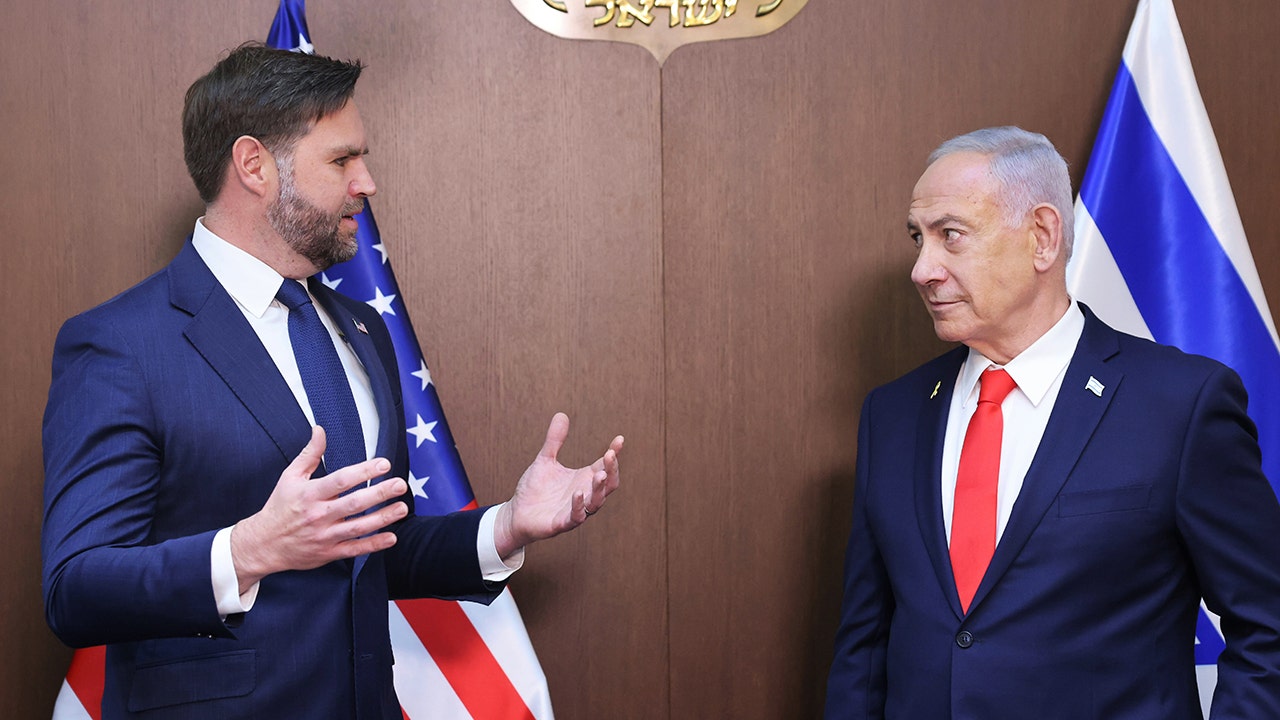
JD Vance is suddenly at the center of a political knife fight that reaches far beyond the Iran war. Reports of private criticism toward Benjamin Netanyahu, public frustration over the conflict, and a push for negotiations have turned the vice president into a key player in both foreign policy and the 2028 Republican chessboard.
Vance reportedly told allies that Netanyahu was “wrong on everything” about the Iran fight, a remark that adds fuel to growing tension inside the Trump administration. The timing matters, because Republicans just took a beating in the midterms and the Iran issue has become a political albatross for the party. Instead of backing more strikes, Vance has leaned hard into the argument that a negotiated settlement is the smarter path.
That stance is more than a policy opinion. It also gives Vance a way to separate himself from the broader administration without taking a direct shot at President Donald Trump, which is exactly the kind of careful positioning a vice president with presidential ambitions would want. Middle East Institute fellow Natan Sachs said the friction with Netanyahu creates “low-level hostility” that helps Vance draw that line cleanly.
The politics are obvious, and they are messy. Vance has publicly blamed the Iran war for the GOP’s loss of Congress, even writing, “The reason we lost is the war,” which showed just how blunt he was willing to be. That kind of message plays to Republicans who are tired of endless overseas conflict and want the party to sound less like the intervention wing and more like the America-first crowd.
Netanyahu, for his part, has been pushing for a harder line and reportedly urged Trump to restart strikes before the election. That tension widened when Trump held back and when Vance refused to wrap himself in Netanyahu’s political future the way some in the party expected. If the Israeli leader is weakened or replaced, the whole dynamic could shift fast, leaving Vance with a new set of calculations.
Sachs pointed out that Netanyahu is an easy target because he lets Vance criticize the war without turning the fight into a direct breakup with Trump. That distinction matters in Republican politics, where loyalty to Trump still carries enormous weight. Vance can sound tough, skeptical, and anti-war while still staying inside Trump’s orbit.
At the same time, Vance has not behaved like a pure hawk or a pure critic. Reports say he has been involved in behind-the-scenes efforts to open negotiations with Iran, including outreach through Qatari intermediaries. That kind of diplomacy fits the image of a vice president trying to manage the exit from a war that many voters already dislike.
He also appears to see the danger of letting the conflict drag on. Roughly six in 10 voters, according to the AP Voter Poll, said military action against Iran was the wrong move, which tells you why Republicans are nervous about getting boxed into another unpopular confrontation. Vance seems to understand that the public mood is not on the side of escalation.
The White House is now weighing its next move, with options ranging from renewed pressure to a negotiated deal. Meanwhile, Tehran has reportedly sent a nuclear proposal through Qatari channels, which means the diplomatic track is still alive even if it looks shaky. That leaves Vance in the middle of a highly unstable moment where every statement doubles as a policy signal and a campaign audition.
That is what makes the whole thing so volatile. Vance is trying to sound like the guy who saw the problem early, opposed the war, and wanted a different path, all while serving in the same administration that launched the fight. In Washington, that is not just a foreign policy posture, it is a full-on test of whether he can keep Trump supporters, anti-war voters, and future primary voters moving in the same direction.
