
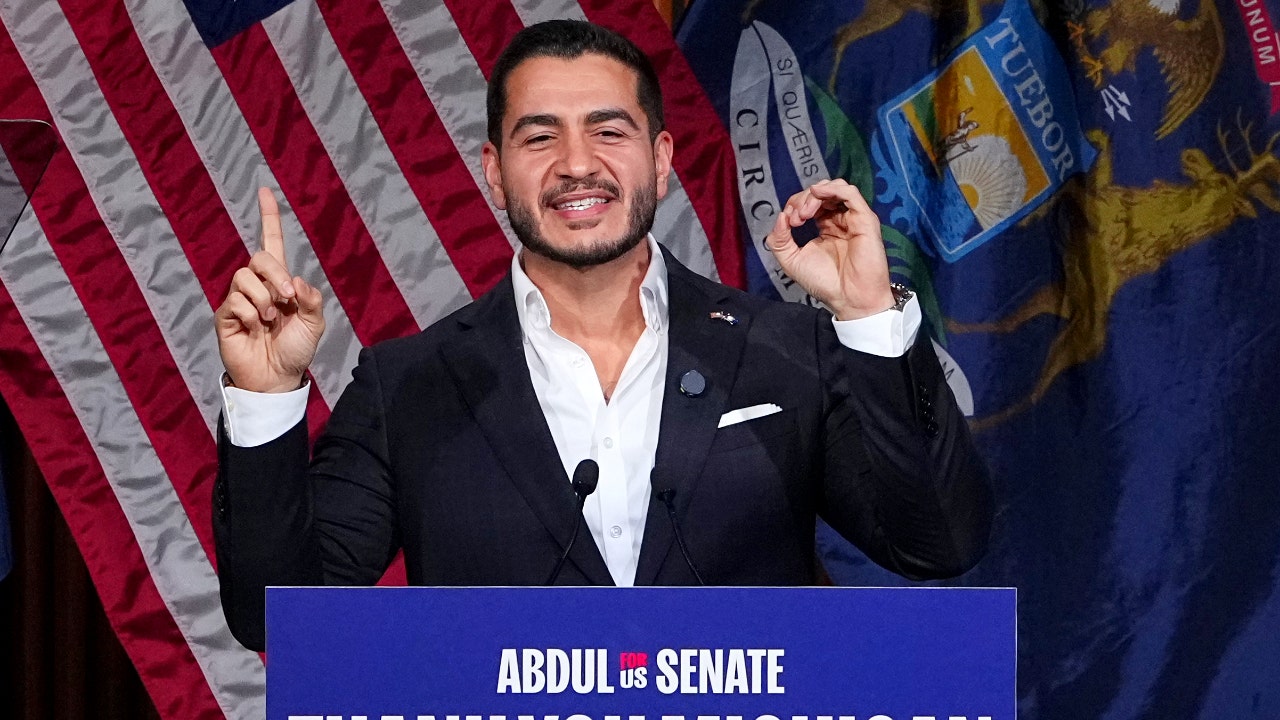
Abdul El-Sayed’s victory speech in Michigan came out swinging, with sharp shots at Donald Trump, JD Vance, and Republican rival Mike Rogers. The mood was not warm, not polite, and definitely not interested in healing old wounds. It was a celebratory speech with plenty of teeth, and it signaled exactly how combative his Senate term may be.
El-Sayed framed the campaign as rough from the start, calling it one of the ugliest he has seen. He pushed back hard on attacks aimed at his name and his faith, turning the criticism into a broader argument about everyday costs and basic fairness. Gas prices, grocery bills, and the strain on families became the real headline in his telling, not the personal slights thrown at him along the way.
That tone carried into one of the speech’s most pointed lines, where he told parents struggling to explain political cruelty to their children to tell them “the bad guys lost.” It was the kind of line built for applause, and it landed like a political hammer. He also cast the fight as bigger than one race, saying America should be wide enough for everyone instead of shrinking to fit only a few.
Vance got his share of the glare too, with El-Sayed mocking the vice president and leaning into the odd politics of the moment. He made a joke out of the fact that Vance will have a role in swearing him in, turning ceremony into a punchline. The line about “Wolverine one. Buckeye zero” was pure victory-night swagger, the kind that gets replayed because it stings just enough.
Then he shifted to a different kind of grievance, zeroing in on how Americans want their tax dollars spent at home. El-Sayed said he did not want money going toward “apartheid or genocidal war,” keeping the foreign policy dig as blunt as the rest of his remarks. It was another reminder that his politics are not going to stay neatly in one lane, especially when the crowd is ready for louder, harder lines.
Rogers did not escape the celebration either. El-Sayed told him to “enjoy your retirement” and added, “May we never have to see the likes of you in the state again,” which is about as far from a gracious nod as a winner can get. The message was plain: this was not just a win, it was a dismissal.
The race itself had plenty of baggage behind it, and El-Sayed spent much of the campaign trying to push through attacks over his background, his rhetoric on Israel, and questions tied to outside political figures. Republicans had hoped to make him a symbol of the party’s leftward edge, but he kept surviving the blows and turned the final stretch into a fight over who gets to define the state’s direction. That battle made his win feel bigger than one seat, especially in a cycle shaped by anger and fatigue.
Rogers, meanwhile, got caught in the same political crosswinds that have battered Republicans across the map. Affordability stayed front and center, while Trump’s trade fight with Canada and the Iran war complicated the broader message for the GOP. El-Sayed’s result now adds another layer to a year already full of hard edges, and the tone of his speech suggests he plans to keep pressing them.
