
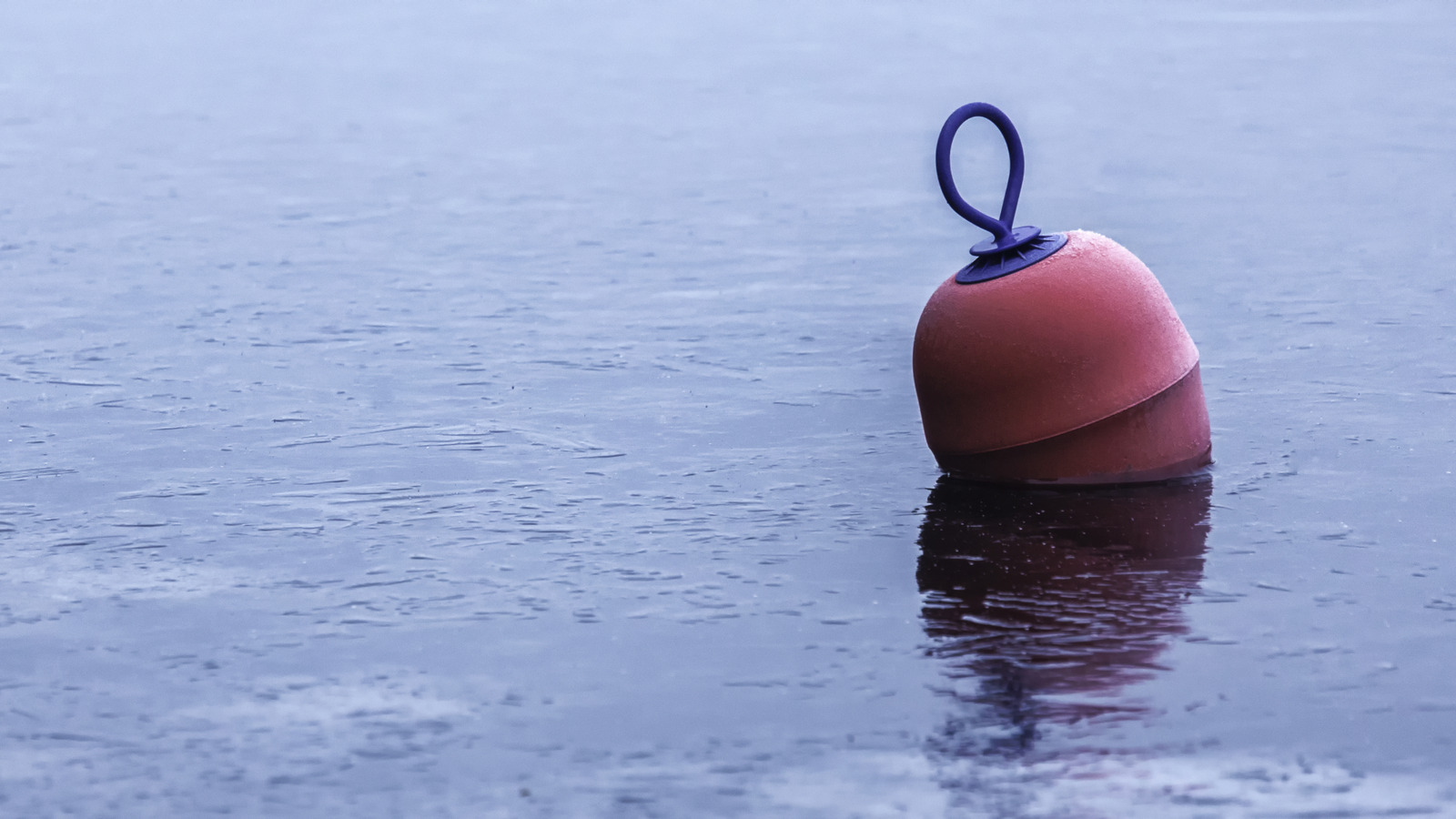
- How buoys support safe navigation on waterways
- What winter ice does to standard buoys
- Why some buoys get removed before freeze-up
- How ice-resistant and seasonal buoys change the game
- Why long-term buoy systems can save effort and money
Buoys do a quiet but critical job on the water, acting like bright, floating guideposts that help boaters stay on course and away from trouble. They mark channels, warn about hazards, and keep navigation from turning into guesswork. When winter arrives and water starts freezing over, those simple floating markers face a whole different set of problems.
There is no single rule for what happens next, because the answer depends on the waterway and the type of buoy in use. In many places, the U.S. Coast Guard and the Canadian Coast Guard pull certain buoys out before ice season settles in. In other cases, crews swap them for seasonal models or tougher replacements that are built to handle cold, pressure, and ice movement.
That shift matters because ice can be brutal on equipment that spends months sitting exposed in open water. A buoy can get jammed by buildup, thrown off position by moving ice, or pushed so hard that it no longer floats correctly. Once that happens, the buoy is no longer doing its real job, and anyone depending on it for safe travel is left with a weaker system.
Ice can also mess with the technology inside the buoy. Sensors and other components may stop working properly when they are coated in ice or battered by freezing conditions. Even the buoy’s shape and angle can change, and when it tips too far or lies flat, visibility drops fast and the warning is not as clear as it should be.
That is why some agencies do not just wait and hope for the best. They build winter plans around removal, replacement, or upgrades, depending on how much ice a location usually gets. The goal is simple: keep the waterway readable and reduce the chances of a frozen mess turning into a navigation headache.
Not every buoy is meant to fight winter the same way. Some are temporary markers that make sense only during warmer months, while others are built for long-term jobs in rough conditions. Deep-ocean buoys and drifting research buoys follow different rules, but in ice-prone waterways, the smart move is often to pull the vulnerable ones and put out versions that can take a beating.
Canada has already leaned into that approach in some areas, including parts of the St. Lawrence River, where longer-lasting buoys are being used in place of older setups. These tougher units can remain in position through winter instead of being hauled in and out every season. Less handling means less maintenance, and that can save time, money, and a lot of extra work for crews who already have enough to manage.
The broader idea is pretty practical: water does not stay the same all year, so the markers on it cannot stay the same either. When freeze-up starts creeping in, the best buoy plan is the one that matches the season instead of pretending winter will be polite. In the end, the smartest floating marker is often the one designed with ice in mind, because cold water has no patience for fragile gear.
