
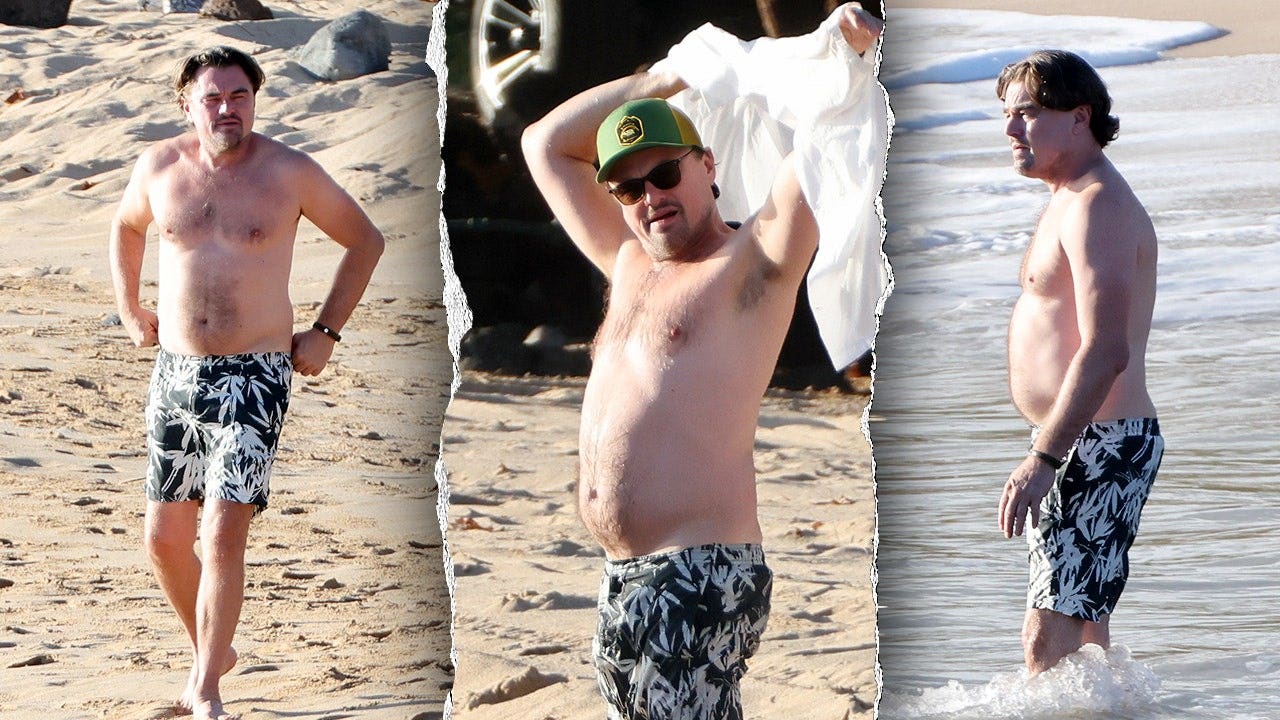
Leonardo DiCaprio’s beach photos kicked off the familiar “dad bod” conversation, but the real issue runs deeper than appearance. A softer midsection can sometimes point to excess belly fat, and that matters because not all fat carries the same risk. The look may be casual, but the health angle behind it is anything but.
Body shape alone does not tell the full story, yet a growing waistline can be a loud warning light. Deep abdominal fat, known as visceral fat, sits around the organs and has been tied to a higher chance of heart disease, type 2 diabetes and other problems. That means the old shrug of “it’s just a dad bod” can miss what is actually going on underneath.
Fitness trainer Marfred Suazo, known as Fonz the Trainer, says the term usually points to a loss of structure, a bigger waist and less muscle. He describes it as the body slowly showing the effects of eating more, moving less and letting routines slide. It is not about one bad week, either, but a pattern that can creep in over time.
According to Suazo, a lot of people do not notice the shift until their habits have already changed. Steps drop, workouts get skipped and portion sizes quietly grow while muscle mass starts to fade. The result is often a less defined shape, but more important than that is the health load it can carry.
Waist size can be a useful clue. The National Institute of Diabetes and Digestive and Kidney Diseases says men with waist circumferences over 40 inches face higher odds of health issues, including diabetes and heart disease. That does not mean everyone with belly fat is sick, but it does mean the numbers deserve attention.
Suazo says turning things around starts with nutrition, plain and simple. That means getting a handle on daily calories and finding a better balance of protein, carbohydrates and fats. Once that base is steadier, exercise can do a lot more of the heavy lifting.
Strength training is a big part of the plan, especially full-body work done two or three times a week. Suazo points to compound moves like squats, stiff-leg deadlifts, back rows, push-ups and chest presses because they recruit more muscle at once. Pull-ups also get a nod for helping build strength across the back, arms and core.
Cardio still has a seat at the table, too. Federal guidelines recommend at least 150 minutes of moderate aerobic activity or 75 minutes of vigorous activity each week, along with muscle-strengthening work on at least two days. That mix helps keep the body active, burns energy and supports a healthier overall composition.
One myth that refuses to die is the idea that endless abdominal exercises can melt belly fat on their own. Suazo says isolated moves may strengthen the area, but they do not spot-reduce fat. The abs can be trained, sure, but they only show once body fat comes down across the whole body.
That is where consistency starts paying off. People who tighten up their nutrition may notice changes within a few weeks, though timing depends on activity level, starting body type and how disciplined the new routine really is. Better eating can also improve energy, confidence, sleep and recovery, which makes it easier to stay on track when the novelty wears off.
The big message is simple: a “dad bod” is not just a style choice or a punchline. It can be a signal that the body needs more movement, better food and a stronger routine before bigger problems show up. For anyone staring down a softer middle, the fix is less about chasing an image and more about building habits that hold up when the beach season fades.
