
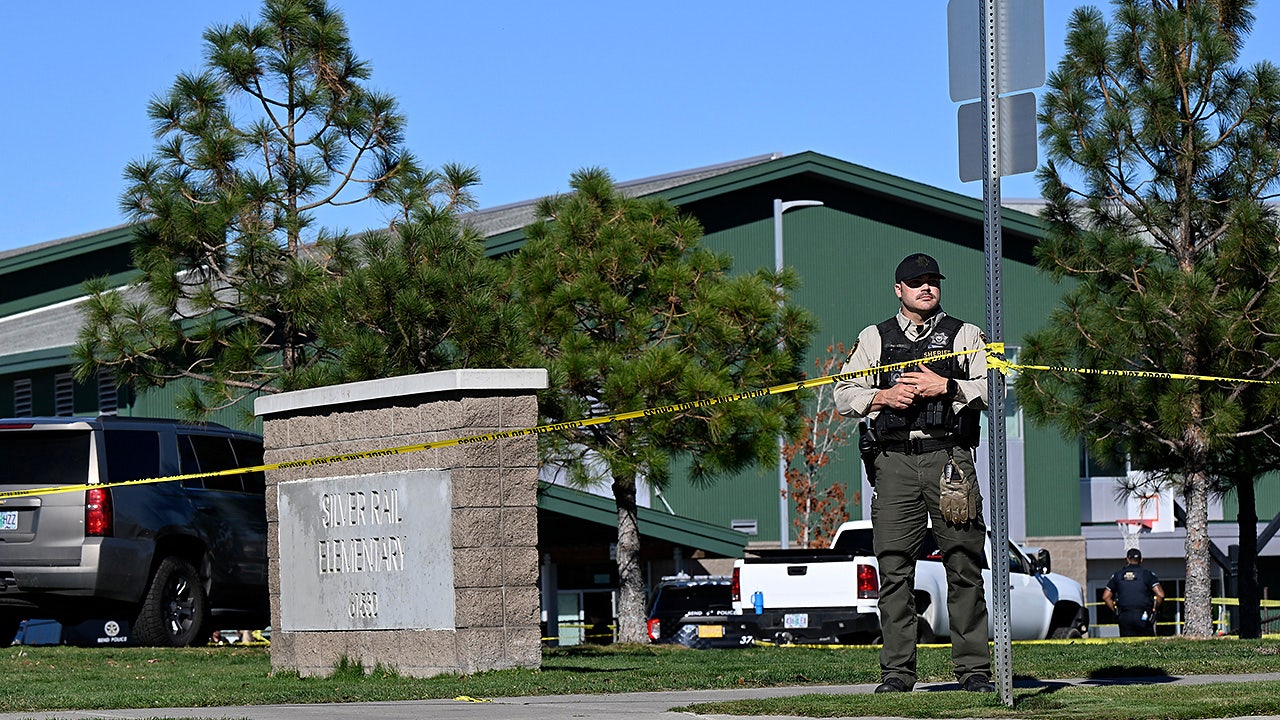
After the deadly shooting at Silver Rail Elementary School in Bend, Oregon, the fight over guns snapped right back into the spotlight. Democrats moved quickly to press for tougher laws, while gun-rights advocates argued that the tragedy showed a hard truth: restrictions on lawful carry did not stop the attack and may have left people less protected.
The attack reportedly began when a teenage shooter used a shotgun purchased by his mother. A father of two students, Kaylub Giamanco, then chased the gunman inside the school and shot him dead, ending the threat before it could get even worse. That detail became the center of the debate almost immediately, because it cut straight against the claim that more restrictions automatically make schools safer.
Gun Owners of America federal affairs director Aidan Johnston did not mince words, saying Democrats were exploiting the tragedy for a political push. He also argued that the key facts matter: the school was a gun-free zone, the weapon was not an AR-style rifle, and the person who stopped the killer was an armed civilian acting fast under pressure.
John Lott of the Crime Prevention Research Center made a similar argument, saying schools marked as gun-free zones can become magnets for violence instead of barriers against it. He pointed to the idea that attackers are more likely to target places where they expect no armed resistance, especially when seconds count and police are still minutes away.
The NRA also jumped in, saying Oregon already has most of the gun-control measures on the anti-gun wish list and still suffered a horrific attack. The group said the armed bystander who stopped the shooter was the clearest example of why lawful citizens should not be stripped of the ability to respond when danger erupts.
That is where the political split got even sharper. Sen. Ron Wyden called for new gun laws and said the way to honor the victims was to reduce the chance of another nightmare at school. Rep. Janelle Bynum, whose district includes Bend, echoed that call while also recognizing the bravery of the bystander who stepped in.
Jack Reed, the Senate Armed Services Committee’s top Democrat, went further and blamed the Supreme Court’s gun rulings for enabling what he sees as too much access to weapons. He said Republicans should join Democrats in passing so-called commonsense policies, a phrase that has become standard in the gun-control playbook after every major tragedy.
But critics say those proposals miss the part that matters most. If the gun was already in the home, they argue, universal background checks would not have blocked access, and a red-flag law would not have magically prevented a determined teenager from grabbing a family member’s firearm.
The conversation also turned to Oregon’s own laws, including a 2021 change that let school districts prohibit concealed carry permit holders from bringing guns onto school grounds. Lott argued that rules like that can remove one of the few layers of defense that might actually matter when violence breaks out inside a school building.
He said the broader pattern is obvious in the research he cites: attacks tend to happen where armed teachers, staff, or other responsible adults are barred from carrying. In that view, the problem is not that too many good people are armed, but that too many soft targets are announced in advance with policies that leave them exposed.
Supporters of stricter gun laws see things very differently, of course, and they keep coming back to the same emotional plea after every tragedy. Yet in Bend, the most decisive moment came not from a new rule, a fresh slogan, or another round of speeches, but from a citizen who had a gun, saw the threat, and ran toward it instead of away.
