
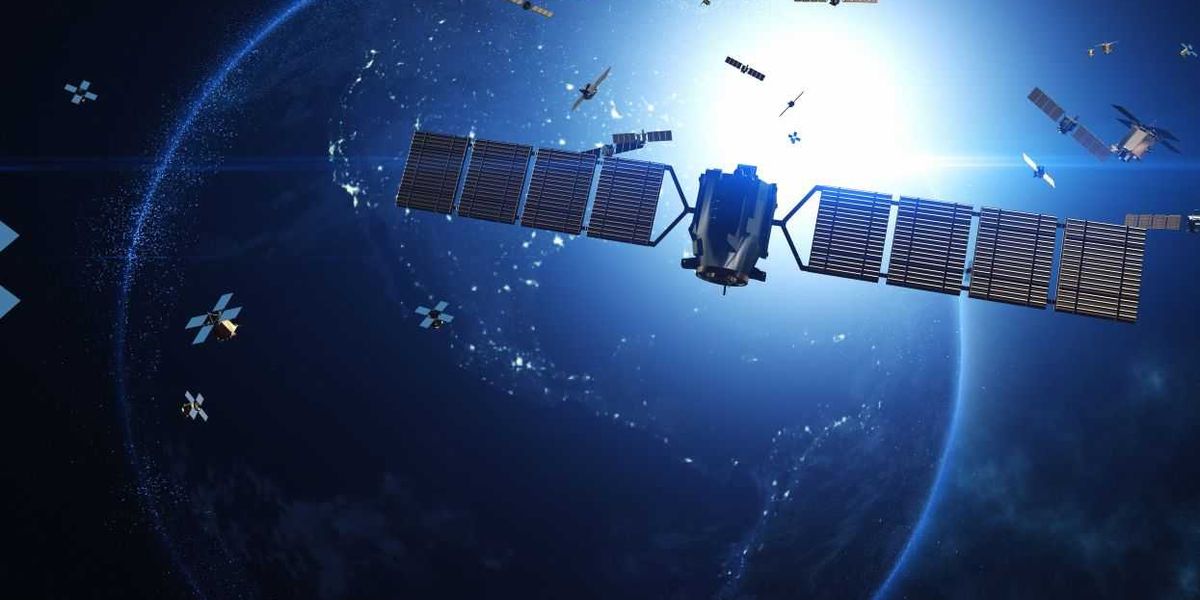
Elon Musk is pressing deeper into the telecom world, and the stakes are huge. With satellite internet, direct-to-device coverage, and a relentless appetite for disruption, the move could shake up how Americans think about staying connected, especially in places where big carriers still leave gaps.
For years, the mobile market has looked locked in place, dominated by a few giant names that built their business on towers, spectrum, and long-term customer lock-in. That kind of setup can feel solid until someone with a very different playbook comes along and starts rewriting the rules.
Musk’s broader empire already reaches across multiple industries, but telecom is a special kind of battleground. It is not just about speed or slick branding. It is about reach, reliability, and whether a new system can work where people actually live, travel, and work.
Starlink has already changed the conversation around internet access in remote areas, on farms, at sea, and in disaster zones. The idea now is not only to beam broadband down from orbit, but to make phones themselves part of the network in a way that feels seamless to the user.
That is where the challenge gets real for major carriers like AT&T and Verizon. Their networks are massive, expensive, and deeply entrenched, but they also depend on infrastructure that can be slow and costly to expand in hard-to-reach places. A space-based competitor does not have to lay nearly as much physical groundwork.
The appeal is obvious. Customers want fewer dead zones, fewer dropped calls, and less frustration when they are miles from the nearest tower. If satellite-backed service can meaningfully improve coverage, the old guard will have to explain why customers should keep paying for the same headaches.
There is also a bigger competitive pressure at work. Once a company with Musk’s brand power steps into a market, the conversation changes fast, and so do investor expectations. Rivals are pushed to move faster, cut prices, or improve service before they get boxed in.
Regulators will not be able to ignore the shift either. The telecom space is tightly watched because spectrum, emergency access, and nationwide reliability are all on the line. Any new system that aims to connect millions of phones directly from space will have to clear technical and legal hurdles before it can fully scale.
That does not make the idea any less disruptive. It just means the road will be messy, with plenty of pushback from established players who have a lot to lose. When the pressure rises, the public usually gets the best view of who can really deliver and who was only comfortable when the market stayed frozen.
Musk has a habit of turning industries inside out by attacking old assumptions. In electric cars, aerospace, and broadband access, the pattern has been the same: move fast, aim high, and force everyone else to catch up. Telecom may be next in line for that same kind of jolt.
The real question is whether the incumbents can adapt before customers drift away. If satellite connectivity matures quickly and handset access becomes more practical, the pressure on traditional carriers could become intense, and that would reshape one of the most stubbornly competitive sectors in the country.
For everyday users, the promise is straightforward: better coverage, fewer blind spots, and a network that follows people into places the old system never fully reached. For the industry, the message is even simpler, and a lot more unsettling, because the next big fight may not be about who has the biggest tower network, but who can make distance stop mattering.

1 Comment
Especially for rural customers, satellite would be connected, without dead zones.