
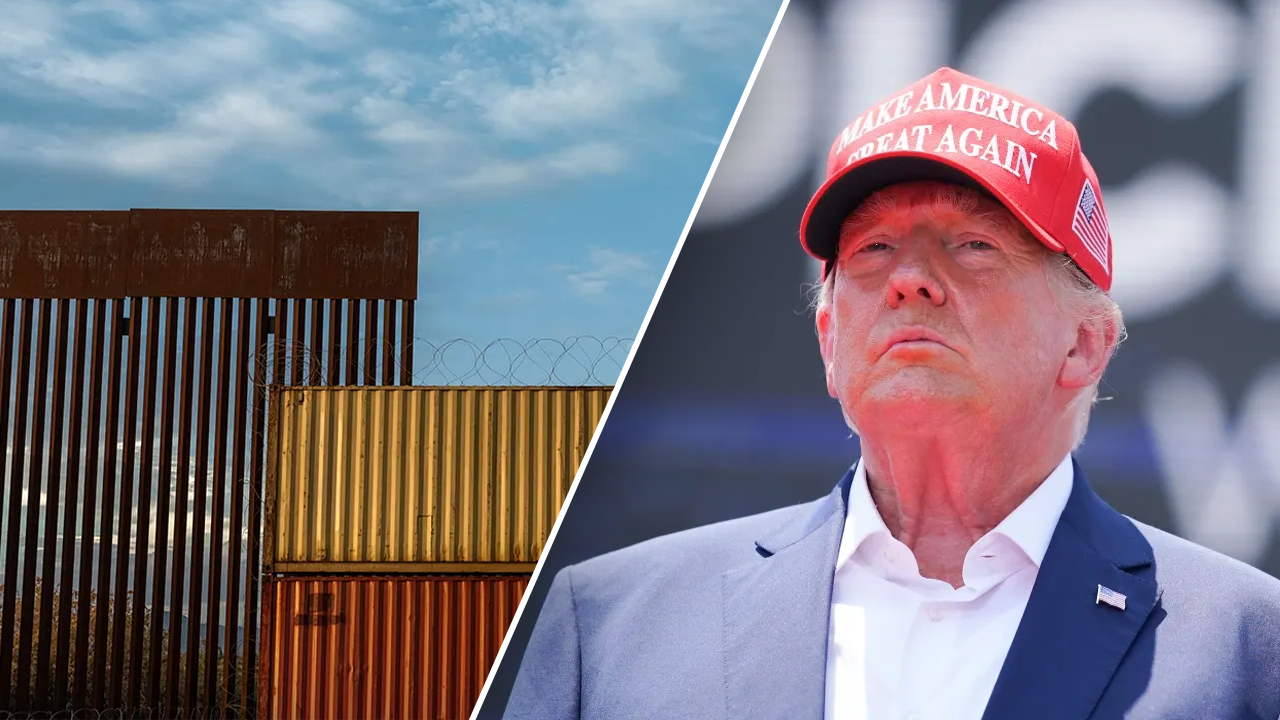
Border security has shifted from crisis mode to a much tighter posture, with federal data showing historic lows in southwest border crossings and no migrant releases into the country during the latest fiscal year. A retired Border Patrol chief says the change is real on the ground, but he also warns that policy swings in Washington could quickly reopen the same chaos agents faced during the Biden years.
For Chris Clem, who once led the Yuma Sector for Border Patrol, the Biden-era surge was the kind of pressure that leaves a mark. Agents were stretched thin, local communities felt the spillover, and people moving through the area were no longer a rare problem but a constant flood.
“They just started walking through the agriculture fields. They started running through town,” Clem said, looking back on the surge in December 2021. “They started going to the food bank. They started knocking on people’s doors at all hours of the nights.”
That picture is a far cry from what DHS says is happening now. The department’s latest figures show southwest border apprehensions in fiscal year 2026 at 98,708, a drop of about 95% from the Biden-era annual average of more than 1.8 million.
That works out to roughly 270 apprehensions a day, a number that would have sounded almost impossible just a few years ago. In Yuma, Clem said the pace rose from about 25 daily arrivals in December 2020 to more than 1,000 by December 2021, with one brutal three-day stretch pushing close to 1,500 a day.
The strain was not just about volume. Weather, limited transport, and a shortage of resources made every part of the job harder, turning the border into a nonstop scramble.
“That was really when it, you know, was the most critical for me because we had the true community impact of a failed border security policy out of Washington, D.C.,” Clem said.
He said agents kept showing up and doing the job, but the numbers were crushing. “The agents, their heads were in the right place. They knew they had to do the job,” Clem said. “But when you’re outnumbered, literally 100 to one, it’s very difficult.”
Clem credits the turnaround to a mix of tougher enforcement, the threat of deportation, and a message that illegal entry no longer comes with a quick release into the country. He said smugglers relied heavily on that promise before, selling migrants a false sense of safety once they made it across.
“If you get to the border, you’re gonna be processed, and you’ll be let go,” he said, describing the pitch. That expectation, he argued, was a major reason the crossings kept climbing.
Now, the incentive structure has changed, and Clem says that matters more than people want to admit. “They know that they’re not gonna be processed and released, which was the status quo under the Biden-Harris administration,” he said.
He also pointed to enforcement beyond the border itself, saying the real pressure comes when interior operations make it clear that crossing is not the end of the story. ICE activity inside the country adds another layer, and that can make the risk feel immediate instead of abstract.
“When you combine the strong border posture, as well as the strong and robust interior enforcement, it’s a recipe for success,” Clem said.
Even with the numbers down, Clem is not buying the idea that the problem is solved for good. He warned that Congress or a future administration could weaken the system fast through funding fights, policy changes, or a return to softer enforcement language.
“There are a lot of policy decisions that can be really jammed up by a Congress that’s gung-ho to overturn what this president has done,” he said.
That concern is part of why he keeps coming back to consistency. Smuggling networks pay attention to mixed signals, and whenever Washington looks confused, those groups use it as a sales pitch to lure people into dangerous trips.
“When our policies aren’t clear and transparent, and we’re not holding ourselves accountable, it’s a marketing tool for the smuggling organizations,” Clem said.
He draws a firm line between the broader immigration debate and the basic duty of guarding the border. Laws can be argued over, programs can be redesigned, and labor needs can be discussed, but the job of keeping the border secure has to stay at the center.
“We have an immigration issue we need to address,” he said. “We need to find a way to retain and recruit those that are here, that are foreign nationals that want to contribute.”
“But none of that should matter when it comes down to securing the border,” Clem added. “We should always be looking at keeping America safe.”

1 Comment
That’s what the socialist Democrats want more Unamerican socialist terrorists into our country.