
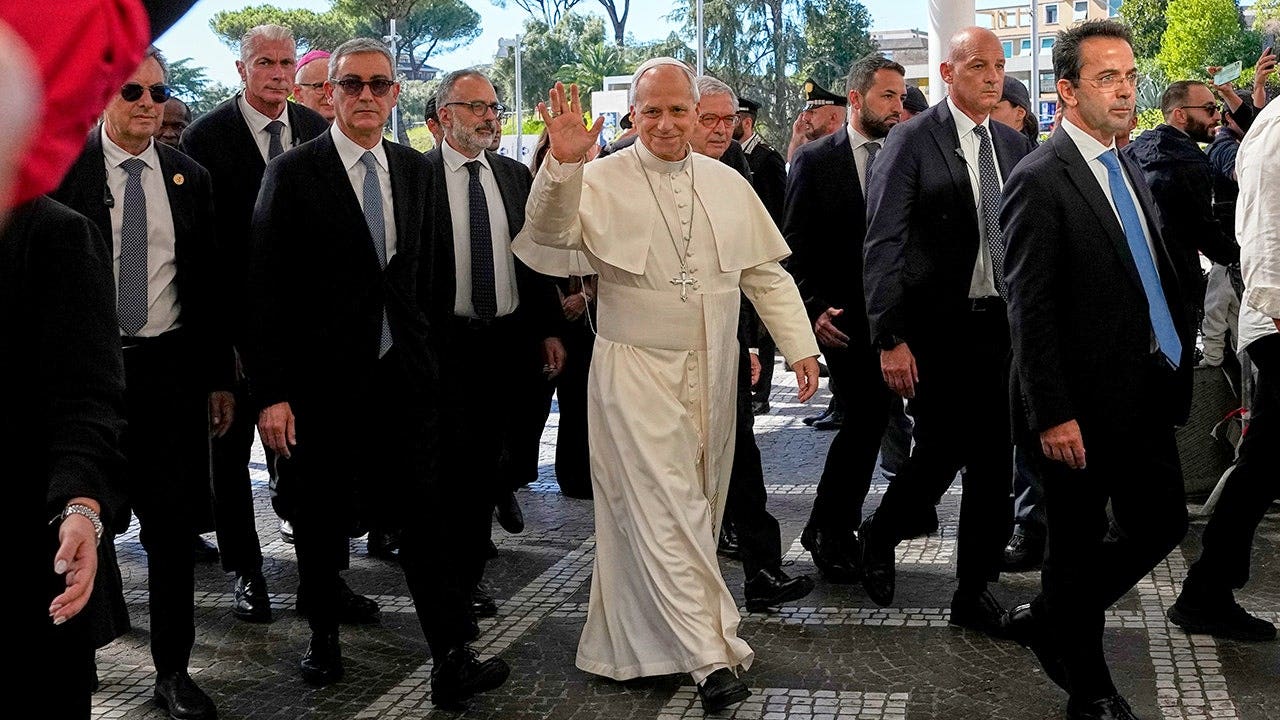
Pope Leo’s lung cancer news landed with a jolt, but it also opened a door to something calmer and more useful: a clearer look at how early detection changes everything. A personal experience with a lung cancer diagnosis, surgery, and recovery shows why panic is not the only possible reaction. The real issue is that too many people never get found in time, even when the disease can be treated successfully.
When a small lung nodule is found early, the outcome can look very different from the nightmare people picture. In the pope’s case, doctors removed part of the right lung and acted quickly, which is exactly the kind of intervention that can turn a frightening diagnosis into a survivable one. That kind of story does not erase the seriousness of cancer, but it does challenge the automatic assumption that lung cancer means the end.
That point hits hard for anyone who has lived through it. A healthy, active 43-year-old mother, runner, and non-smoker learned she had lung cancer after choosing to get a scan even though she had no symptoms at all. The first clue was not pain, coughing, or a dramatic warning sign, but an image that caught a hidden mass before it could spread.
Early testing made all the difference there, too. A scan that was supposed to be routine revealed a sizable nodule, and a follow-up chest CT showed it had grown quickly. From there came a stage 1B diagnosis and surgery, but no symptoms ever appeared, which is exactly why lung cancer remains so dangerous when people assume they will feel sick before it matters.
Recovery after surgery can move faster than many expect when the disease is caught in time and treated by an experienced team. In this case, running resumed within weeks and travel followed soon after, showing that the words “lung cancer” do not always lead to a long, crushing decline. That reality matters because public fear often lags behind modern medicine.
The bigger problem is not that lung cancer is untreatable. It is that most cases are still found late, when the odds get worse and the costs rise fast. Lung cancer remains the leading cause of cancer death in the United States, and the screening rules still miss a huge number of people who never fit the old risk profile.
Current guidance mostly focuses on adults ages 50 to 80 with a heavy smoking history, but that leaves out many others. Fewer than one in five people who qualify actually get screened, and nearly two-thirds of those diagnosed would not have qualified under the current rules anyway. Never-smokers can still be vulnerable, and family history, environmental exposure, and plain bad luck do not care about outdated checkboxes.
That is why stage at diagnosis matters so much. When lung cancer is found at stage I, five-year survival can top 90 percent, but once the disease spreads, the chance of cure drops sharply. The difference between those two realities is often not just medicine, but timing.
There is also a policy angle that deserves more attention. The Saving Health by Identifying Risk for Americans Act would make screening more accessible for Medicare patients, veterans exposed to burn pits, survivors, and people with family histories who have been left out of the system. It would also push screening rules toward a broader view of who is truly at risk, instead of pretending lung cancer belongs only to one group.
The pope’s diagnosis, and the calm way it was handled, should not be read as a tragedy only. It is also a reminder that routine care can catch something serious before it becomes devastating. That is the part worth holding onto, especially for the people who have spent years being told they were not the type to worry.
Fear tends to grab the headlines, but confidence is earned by what happens next, not by what first gets found. A good scan, a sharp doctor, and a fast surgical team can change the whole story in a matter of hours. For a disease that still takes too many lives, that kind of timing feels almost unreal, and it is exactly why screening should reach farther than it does now.
