
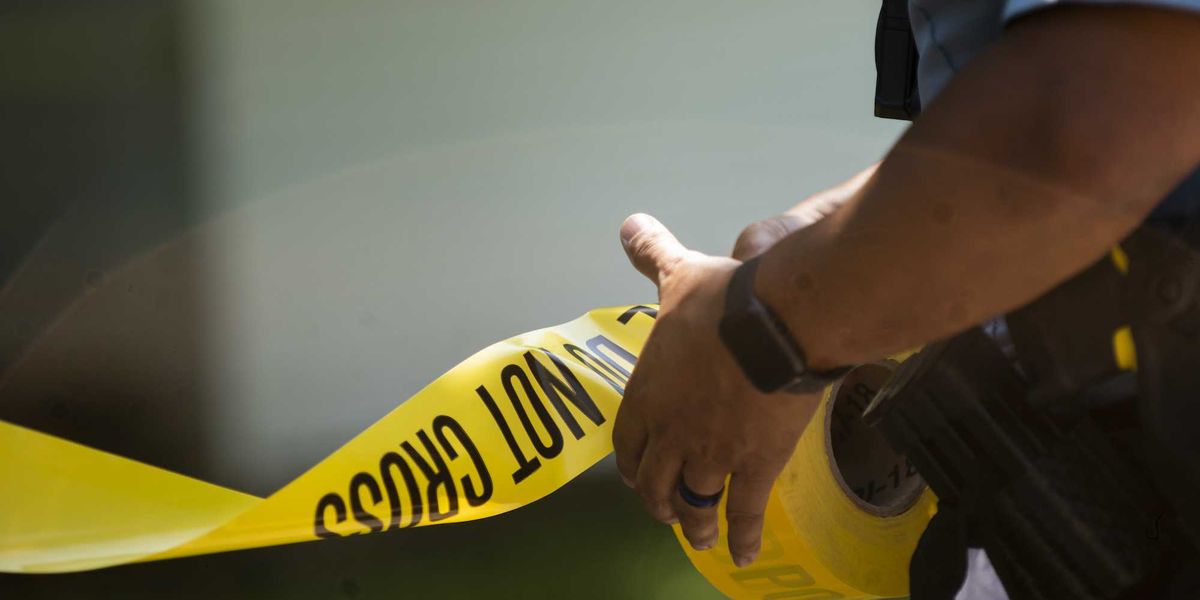
Police in Alabama are investigating a brutal double homicide that has rattled a community and sparked a wave of horror. Authorities say a man is accused of killing his grandmother and aunt in an attack involving a chainsaw, a case so violent that even seasoned investigators are reportedly stunned.
According to officials, the suspected killings left two women dead and triggered a fast-moving response from law enforcement. Details remain limited, but the nature of the allegations has already made the case one of the most disturbing in recent memory.
The victims were identified as the suspect’s grandmother and aunt, two family members whose deaths have left a trail of grief and unanswered questions. Investigators have not been eager to share every detail publicly, which is common in a case this graphic, but the outline of what happened is already grim.
Authorities say the suspect used a chainsaw during the attack, a weapon that adds an especially savage layer to the allegations. That detail has fueled shock far beyond the immediate neighborhood, where people are now trying to process how a family dispute or breakdown could turn into something this monstrous.
Crime scenes like this force a hard look at the thin line between domestic trouble and catastrophe. When violence erupts inside a family, it does not stay contained for long, and the aftermath spills into every corner of a community that never expected to be pulled into such darkness.
Law enforcement officials are now piecing together the timeline, including what led up to the killings and whether anyone else had warning signs beforehand. In cases this severe, investigators typically move carefully, gathering forensic evidence, witness statements, and any history of prior conflict that might help explain the chain of events.
Neighbors and local residents are often left with the same stunned reaction in the wake of crimes like this. The facts come slowly, but the emotional impact lands all at once, especially when the people involved are close relatives and the violence is as extreme as these allegations suggest.
There is also the reality that families facing mental health trouble, substance abuse, or longstanding conflict can spiral without obvious warning to outsiders. That does not excuse anything, but it does help explain why certain situations seem to explode with little visible notice until it is far too late.
In communities across the country, grisly crimes tend to leave behind two separate scenes: the official one, where detectives work through evidence, and the human one, where loved ones try to understand how ordinary life snapped in half. This case has already joined that category, where the facts are ugly and the questions are even uglier.
As the investigation continues, the focus will likely remain on motive, the suspect’s state of mind, and whether the case reveals any broader warning signs that were missed. For now, Alabama is left with a killing that is hard to describe without sounding unbelievable, except it is real, and two women are dead because of it.
