
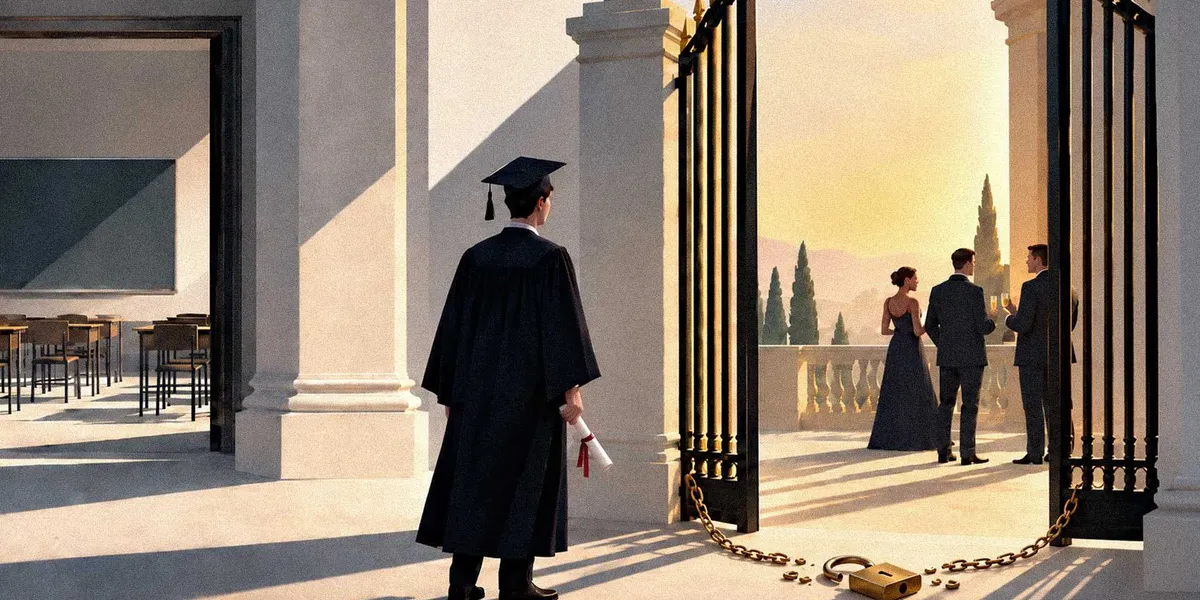
College still sells a glossy story about classes, lectures, and polished résumés, but the deeper pull has always been social power, status, and access. That’s the part people feel when a campus becomes a gatekeeper for careers, friendships, and public influence. Once that reality is in view, a lot of the noise around higher education starts to make more sense.
The modern university is not just a place where young adults collect credits. It is a sorting machine, one that hands out badges that open doors long after graduation. For families chasing that advantage, the classroom is only one piece of the bargain, and sometimes not even the biggest one.
That helps explain why elite schools inspire such fierce loyalty and such strong resentment at the same time. A degree from the Ivy League can function like a fast pass into law, media, finance, and politics, even when the education itself looks a lot like what students could get elsewhere. The name on the diploma can matter more than the substance behind it.
Once a campus turns into a status factory, the politics around it get ugly fast. Administrators start protecting the brand, students learn which opinions are safe, and faculty members often drift toward the dominant ideology without much resistance. The result is a place that talks constantly about open inquiry while quietly narrowing the range of acceptable thought.
That tension becomes especially sharp when scandals hit, because the institution’s first instinct is often self-preservation. Serious accusations, messy investigations, and public pressure all collide with a deep fear of bad headlines. The school’s image can end up treated as more valuable than honesty, which leaves everyone else to deal with the fallout.
College also sits at the center of another major promise: upward mobility. For generations, the degree was sold as a ticket out of dead-end work and into stability, and for many people it still functions that way. But the system now leans so hard on prestige and debt that the old promise feels more fragile than ever.
That’s where programs tied to military service and public sacrifice come into the picture. The GI Bill helped turn higher education into a path for ordinary Americans who would otherwise have been locked out of elite networks. It remains a reminder that access to learning should not belong only to the children of the wealthy or the already connected.
But the cultural politics of college have changed the deal. Instead of acting like a neutral ladder, many campuses now behave like ideological clubs with tuition bills attached. Conservative students often find themselves on the defensive, especially when the surrounding environment treats their views as a problem to be managed rather than a perspective to be debated.
That shift matters because students are not just buying information. They are buying exposure, contacts, and the chance to belong to a class of people who will keep bumping into one another for decades. If a university controls that pipeline, it can shape careers, narratives, and social standing in ways that reach far beyond the campus gates.
So the real power of college lives in the networks it builds and the authority it confers. The classroom matters, sure, but the institution’s reach is bigger than that, and everyone knows it. That’s why the fight over higher education keeps getting hotter, even when the lectures end and the diplomas are already framed.
