
“`html
Dayton is a city carrying a lot of weight on its shoulders, and the mood on the streets says plenty about why Ohio politics feels so stuck. Empty storefronts, old industrial scars, and a deep weariness with both parties all hang over the campaign season, even as Republicans try to hold on in races that should, on paper, be more comfortable. What stands out most is not just the economic decline, but the blunt sense from voters that nobody in power seems to be speaking directly to their lives.
That frustration shows up fast when talking to people in neighborhoods that still have some energy left. In the Oregon District, one local put the feeling plainly enough, making clear that neither side has earned much trust. The complaint is not rooted in some abstract ideological fight either, but in a very basic question of whether elected leaders can actually deliver anything useful for people who have watched their city shrink for years.
Ohio has long been one of the clearest battlegrounds in American politics, and President Donald Trump’s strength there remains a major reason Republicans keep their hopes alive. Even so, the current race exposes a real tension for the GOP, because winning at the top of the ticket does not automatically mean voters are sold on every nominee down the ballot. Trump’s brand of blunt, populist politics still has pull, while more polished or conventional candidates are finding it harder to generate the same kind of excitement.
That gap matters in a city like Dayton, where voters are not looking for speeches that sound carefully tested in a focus group. They want signs that someone understands what happens when factories close, small businesses struggle, and whole blocks lose their purpose. In that setting, technocratic talk and party talking points can sound thin fast, especially when the daily reality is shaped by boarded-up buildings and businesses trying to survive one month at a time.
People in Dayton keep returning to the same theme, and it is not subtle: attention has been missing. Some residents remember a more active city, one with more jobs, more foot traffic, and more confidence. Now the feeling is that the political class notices them only when campaign season rolls around, then disappears again once the signs come down and the speeches stop.
That skepticism is not limited to one generation. Older residents speak with the kind of memory that comes from watching a city change over decades, while younger voters sound just as doubtful that either party has a real answer. The age difference does not seem to matter much when the shared experience is a community that has had to absorb loss after loss and still gets promised that the next election will finally be different.
Small businesses tell their own version of the story. Shop owners and local operators often describe a system that loves talking about helping new ventures but seems to overlook the places that have already been hanging on for decades. That kind of neglect breeds resentment quickly, because established businesses are the ones still paying rent, keeping lights on, and trying to preserve the character of neighborhoods that could easily slip further away.
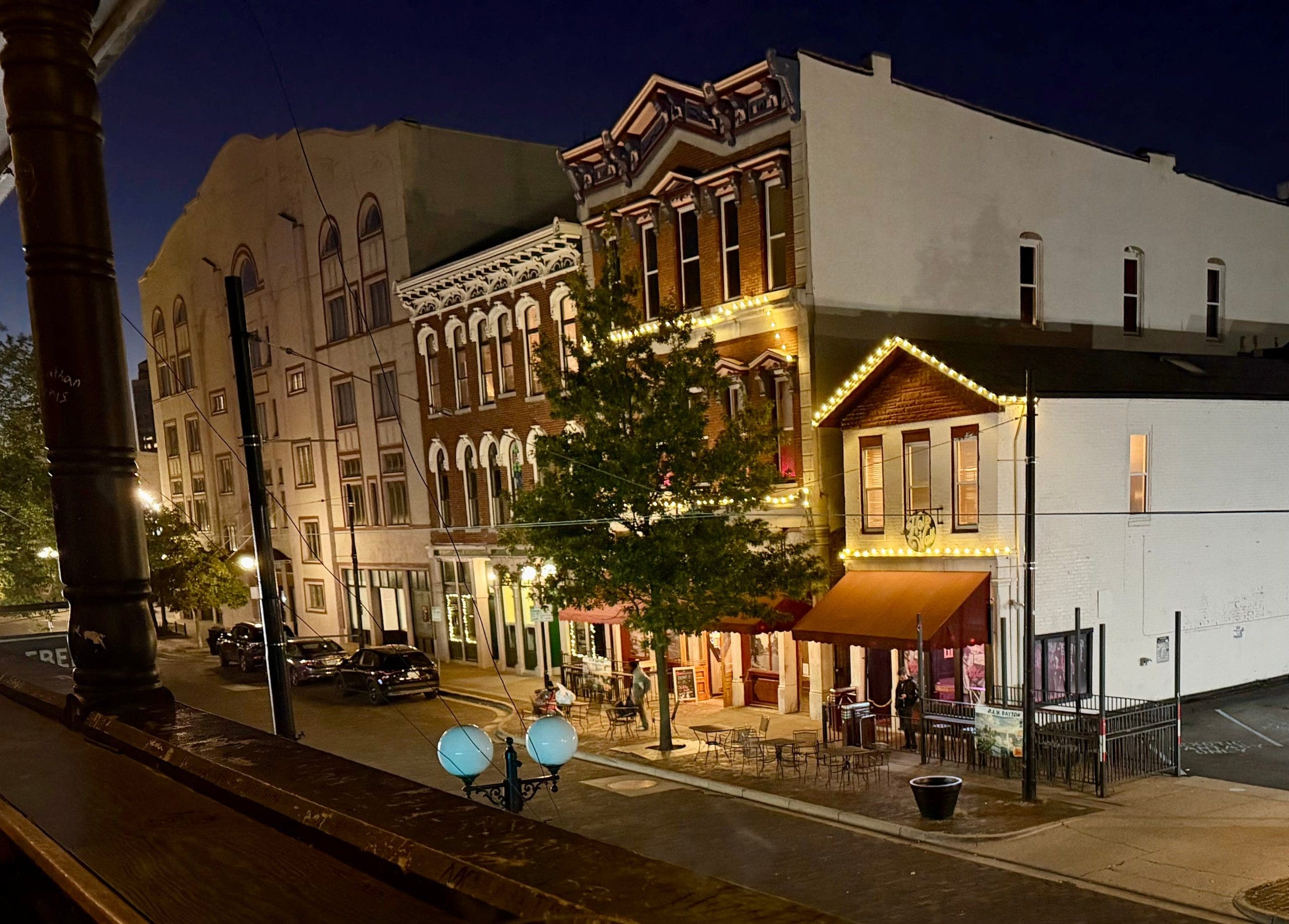
Dayton’s buildings make the case visually, without needing much translation. Grand architecture from a more prosperous era now sits beside quiet streets and underused properties, and the contrast can be brutal. It is hard not to feel that the city’s physical landscape mirrors the political one, where old promises remain standing even as trust in the people making them keeps eroding.
For Republicans, that creates both an opening and a warning. Trump’s message of renewal still has the power to cut through because it speaks to people who feel ignored and left behind, but the rest of the party cannot assume that energy transfers automatically. Voters who like the idea of change are still waiting to see who can offer it in a way that feels real, local, and tough enough to match the scale of the damage they see around them.
There is no mystery about what Dayton wants from its leaders. It wants work that lasts, neighborhoods that feel alive again, and a political class that sounds less like a sales pitch and more like it actually understands the place. Until that shows up, the city is likely to keep sending the same message, and it is one both parties would do well to hear.
“`
