
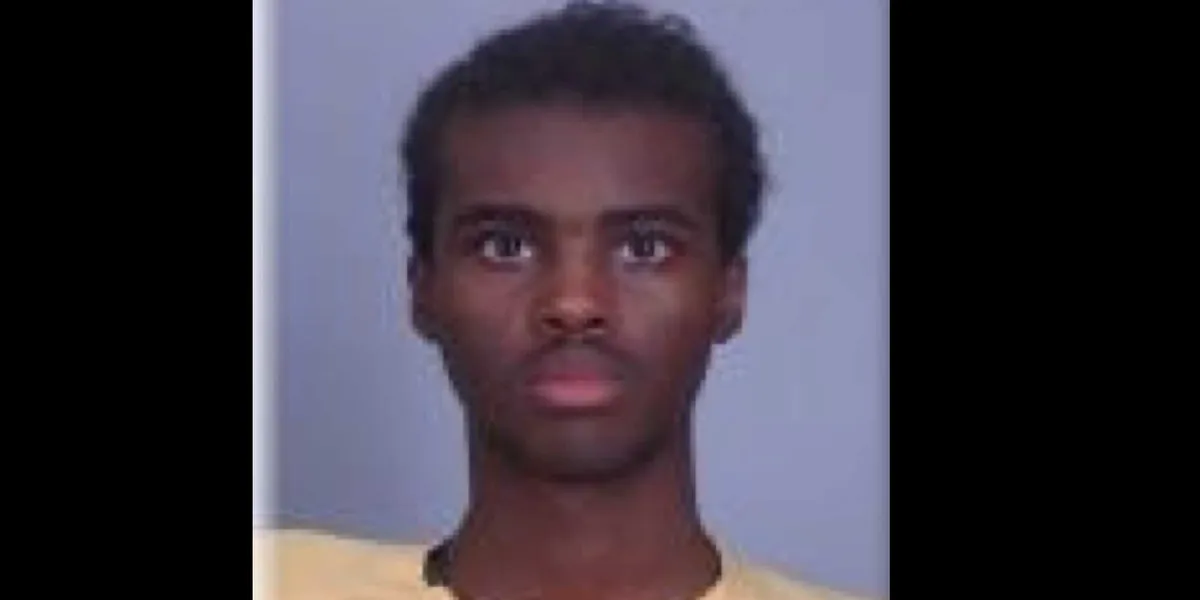
Federal investigators say a Minnesota teen was caught in a disturbing plot that targeted strangers at one of the country’s busiest shopping centers. The case centers on an alleged ISIS-inspired attack plan tied to the Mall of America, with prosecutors and the FBI describing a threat aimed at killing dozens of non-Muslims. What stands out is not just the violence being discussed, but how quickly the alleged scheme moved from online extremism into real-world danger.
The suspect, identified as a teenager from Sherburne County, is accused of embracing ISIS propaganda and turning that obsession into an attack idea. According to investigators, the plan was aimed at civilians gathered in a place built for crowds, families, and routine weekend traffic. That makes the case especially chilling, because the target was not some isolated location but a public space where ordinary life is supposed to feel safe.
Authorities say the teen’s alleged mindset was driven by radical ideology rather than anything resembling a normal grievance. The case fits a pattern law enforcement has been warning about for years, where online material can help push vulnerable young people toward violent fantasies and, in the worst cases, concrete plans. When that happens, the danger is no longer theoretical, and every step toward action becomes a public threat.
The FBI’s involvement signals how seriously agents treated the case. Federal investigators do not usually jump into a matter like this unless they believe the risk is immediate and substantial, and the allegations here suggest they saw something far beyond dark talk or online posturing. In a case like this, the line between rhetoric and action can disappear fast, and that is exactly what makes preventive law enforcement so important.
What also grabs attention is the choice of location. The Mall of America is not just a mall, it is a massive destination packed with shoppers, workers, and tourists, the kind of place where panic can spread in seconds if violence erupts. A plot aimed at such a setting is meant to maximize fear as much as harm, and that is part of why these kinds of threats ripple well beyond the immediate target.
Details about the teen’s alleged plan have put renewed focus on the way extremist ideology can take root in online spaces. Young people can be pulled in through propaganda, memes, and private chats that slowly normalize hatred before escalating into outright calls for murder. By the time authorities intervene, the thinking may already be warped enough to justify carnage in the suspect’s mind.
The broader political reality is hard to ignore either. Public officials are constantly promising safer communities, but cases like this show how quickly ideology, the internet, and local crime can collide in ways that put innocent people at risk. There is no neat talking point that covers a teenager allegedly plotting mass murder in the name of ISIS, only the plain fact that violent extremism still finds ways to surface inside American towns.
Community safety depends on catching threats before they turn into headlines with body counts. That means schools, families, and law enforcement all end up on the same front line, even when the threat looks like it started far away from the physical world. In cases like this, the damage is not limited to one suspect or one city, because the fear spreads outward and lingers long after the arrest.
