
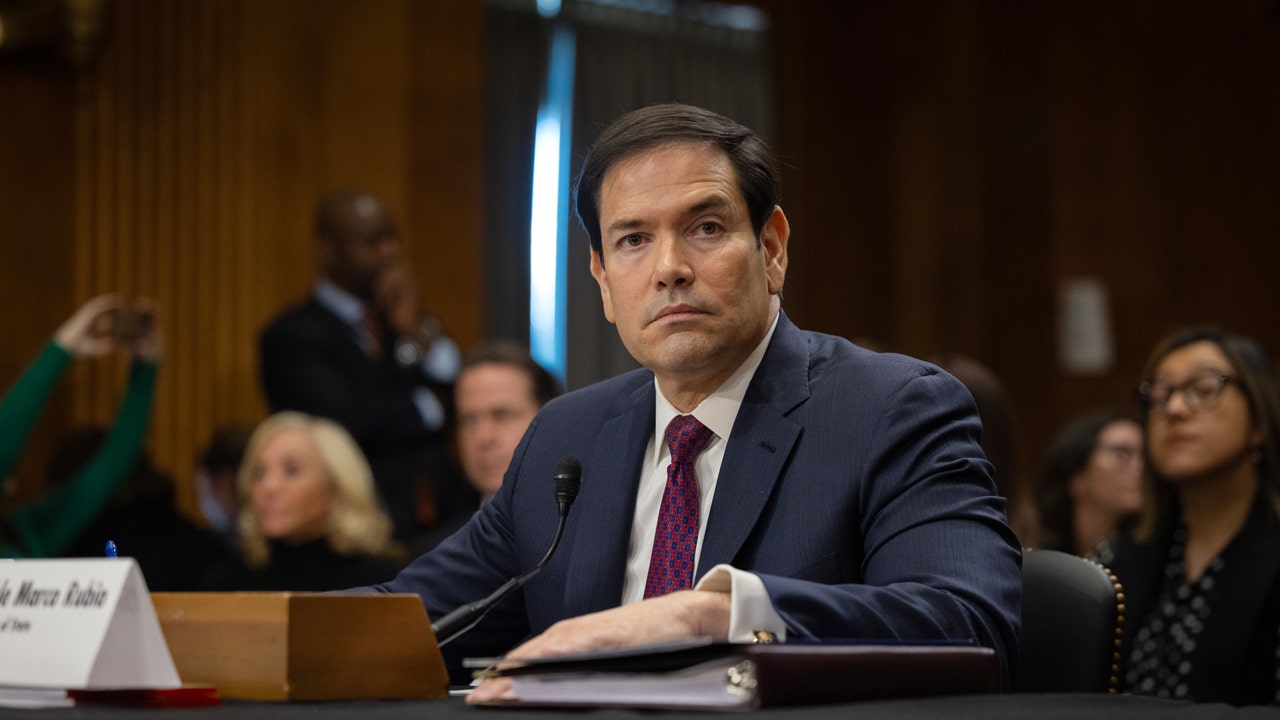
The State Department is taking heat from Senate Democrats over a Venezuela oil deal briefing that got tangled up with recess politics, and the whole fight has turned into a messy clash over timing, authority, and who knew what when. At the center is a Trump administration agreement tied to Venezuelan oil production, along with sharp questions about whether the Pentagon can legally hold an equity stake and whether Democrats are treating the issue like a serious oversight matter or a political stunt.
According to the account, four senior Democrats asked for documents and a briefing on the arrangement even though officials say those materials were already on the way. The briefing was supposed to happen on Oct. 1, 2026, but the Senate’s schedule shifted as lawmakers headed out of Washington early for fall recess.
The State Department says the Democrats were making a show of things, especially since the requested paperwork was delivered anyway. A senior official said copies of the strategic partnership agreement were available to senators, and the department framed the delay as a courtesy move rather than some kind of cover-up.
That did not stop State Department Assistant Secretary for Global Public Affairs Dylan Johnson from going straight at the senators online. He called the move “pure grandstanding” and said the lawmakers had known for weeks that the briefing and documents were coming on October 1.
Still, a congressional source pushed back on that version of events and said the briefing was supposed to be broader than the oil agreement alone. The source also said lawmakers were not told ahead of time that the written NABEP deal would be part of the package, which undercuts the idea that everyone was reacting to the exact same set of facts.
Emails reviewed by Fox News Digital added another wrinkle by showing that the postponement request came from a Republican majority staffer on the Foreign Relations Committee. That staffer said the Senate had already left town and asked that the meeting be moved to November, which suggests the delay was not some unilateral Democratic retreat.
The deal itself is what keeps pulling the argument back into sharper focus. It involves North American Blue Energy Partners, or NABEP, and would give the Pentagon a 35% stake in one of Venezuela’s largest oil producers through the Office of Strategic Capital, while the State Department would get preferential rights to buy 20% of the company’s production at cost.
Democrats say that raises major legal and policy questions, especially around whether the Pentagon office even has the authority to own equity in a foreign oil company. They also want more detail on the vetting of NABEP and its leadership, since the structure is unusual and the stakes are huge.
The White House, on the other hand, is selling the plan as a smart way to turn a damaged sector into something that works for American interests. Officials argue the government’s position could eventually be worth hundreds of billions of dollars if the company succeeds, while also creating a new stream of relatively low-cost crude.
There is also a broader energy angle here that reaches far beyond the committee room. The administration says the arrangement could help boost supply, replenish the Strategic Petroleum Reserve, support military needs, and send more barrels through U.S. refineries and infrastructure.
NABEP has said it currently produces about 220,000 barrels a day and wants to more than double that by late 2028. That kind of growth would depend on private investment and a lot of confidence that Venezuela’s long-beleaguered oil sector can still be revived after years of mismanagement and underinvestment.
The politics around the deal are just as loaded as the economics. Democrats argue the arrangement could entangle the United States with a foreign company they view as shaky, while the administration sees it as part of a bigger push to reshape Venezuela’s energy future and reduce the influence of China, Russia, and other rivals.
The dispute also ties back to the dramatic removal of Nicolás Maduro, which the administration has used as the backdrop for its reconstruction strategy. Washington is treating the oil sector as a lever for stabilization, and that makes every new move feel bigger than a simple business arrangement.
That is why the letter from Sens. Jeanne Shaheen, Jack Reed, Martin Heinrich, and Elizabeth Warren hit so hard. They challenged the legality of the setup, questioned the wisdom of the deal, and argued it is not likely to lower energy prices for Americans.
They also raised concerns about NABEP Chairman Alejandro Betancourt, pointing to prior money-laundering investigations. Betancourt has not been charged with a crime, but the mention alone is enough to keep the pressure on as Congress digs deeper into one of the administration’s more unconventional foreign policy bets.
