
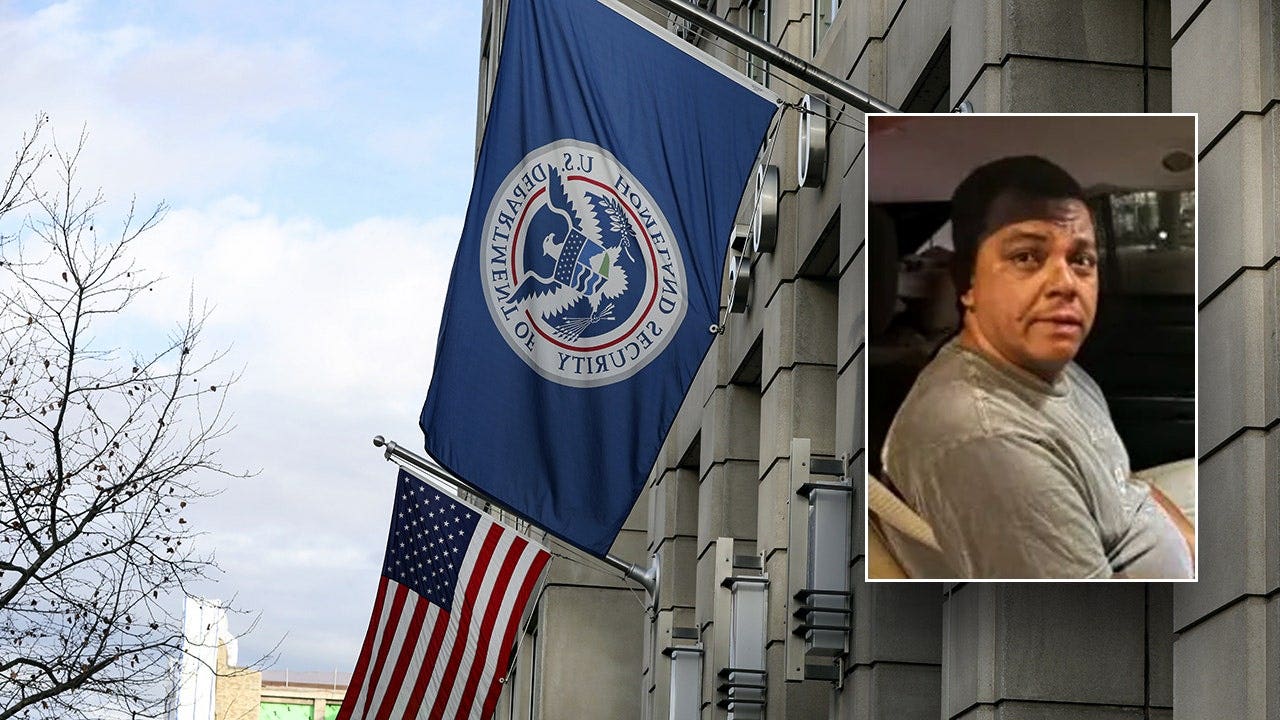
Federal immigration officials are blasting Fairfax County after a Honduran man accused of brutal child sex crimes was released despite an ICE detainer, turning the case into another flashpoint over sanctuary-style policies in Virginia. The dispute has now widened into a sharp clash between DHS, local jail officials, and state leaders over who should be protecting the public when serious charges are on the table.
Homeland Security says Oscar Evaristo Nunez was taken into ICE custody after local corrections officials refused to hold him for federal agents. Officials describe him as a dangerous repeat offender tied to allegations that include aggravated sexual battery and recording a naked minor without consent, charges that instantly raised the stakes in a county already under heavy scrutiny.
According to DHS, Fairfax County released Nunez in 2025 even though ICE had lodged a detainer asking for custody before he could walk free. That decision has become the center of the argument, with federal officials saying the county chose politics over basic public safety and local leaders insisting the legal process was still moving.
DHS Secretary Markwayne Mullin didn’t soften the message. “Another criminal illegal alien has been taken off the streets by the brave men and women of ICE, with no help from sanctuary politicians in Fairfax County,” he said in a statement.
The agency says Nunez was first arrested in Fairfax on Aug. 27, 2025, after being charged with crimes involving a child under 17 and a victim under 13. He was then released two days later from the Fairfax County Adult Detention Center after officials declined to cooperate with the federal hold.
The reaction from DHS has been furious, with Mullin later saying the county let “this creep back out onto the streets” after ICE had already acted. That kind of language reflects how heated the debate has become, especially as Republican officials keep arguing that noncooperation with federal immigration authorities creates real-world danger.
Fairfax County has also faced pressure because the case did not happen in a vacuum. Federal officials and Republicans in Congress have spent months criticizing what they see as a soft-on-crime approach from local and state leaders, especially in places where immigration enforcement and jail transfers become political fights instead of routine law enforcement work.
The county’s side is not conceding much either. A spokesman for Commonwealth’s Attorney Steve Descano said a prosecutor objected to the release and argued that ICE “stalled our ability to seek justice in this case and further delayed the [victim’s] family’s ability to get the closure they deserve” by taking Nunez into custody during an active prosecution.
That point highlights one of the messier parts of these cases. When local officials want to keep a defendant available for court while federal agents want custody, the result can be delay, anger, and a lot of finger-pointing while the accused sits in the middle of two systems that are not always aligned.
ICE Washington field office director Robert Guadian said the broader problem is simple: when local officials refuse detainers, they put politics ahead of community safety. That argument has become a familiar one across the country, especially in places where sanctuary policies or limited cooperation rules keep recurring after high-profile arrests.
Virginia’s state-level politics only add more fuel to the fire. Federal officials have pointed to changes under Gov. Abigail Spanberger, including executive actions that rolled back earlier cooperation efforts and a state law limiting cooperative agreements between local authorities and DHS.
A spokesperson for Spanberger pushed back, saying she “strongly believes violent criminals who are in the United States illegally should be prosecuted to the fullest extent of the law and deported.” The spokesperson also said the Virginia Department of Corrections continues its long-standing practice of notifying ICE when people born outside the United States are in state custody.
That statement tries to thread a needle, but the public fight is still alive and ugly. On one side are federal officials saying they are cleaning up a mess left behind by local noncooperation, and on the other are state and county officials insisting they are following the law while still keeping victims and court cases in view.
Nunez remains in ICE custody, while the Fairfax prosecution continues in absentia and his plea hearing has been pushed to Nov. 5. The case is now a symbol of a larger clash that keeps repeating itself: one side demanding hard enforcement, the other defending its process, and families caught watching the system grind forward far too slowly.
