
The Justice Department is going after seven Minnesota federal judges, arguing that public comments they made about immigration enforcement crossed a bright ethical line while cases were still active. The move has kicked up a fresh fight over judicial neutrality, courtroom politics, and how far judges can go when speaking to the press.
At the center of the dispute is a New York Times interview published last September, where several judges discussed the flood of immigration litigation tied to the Trump administration’s enforcement push. Attorney General Todd Blanche said the comments were not harmless chatter, but a problem serious enough to warrant a formal misconduct complaint.
Blanche said the department filed the complaint with the Eighth Circuit Court of Appeals and accused the judges of discussing pending matters in a way that could damage public trust. “These judges talked to the media, or at least The New York Times, about cases, some of which are ongoing, in a manner which the Department views as a clear violation of their ethical duties,” Blanche said.
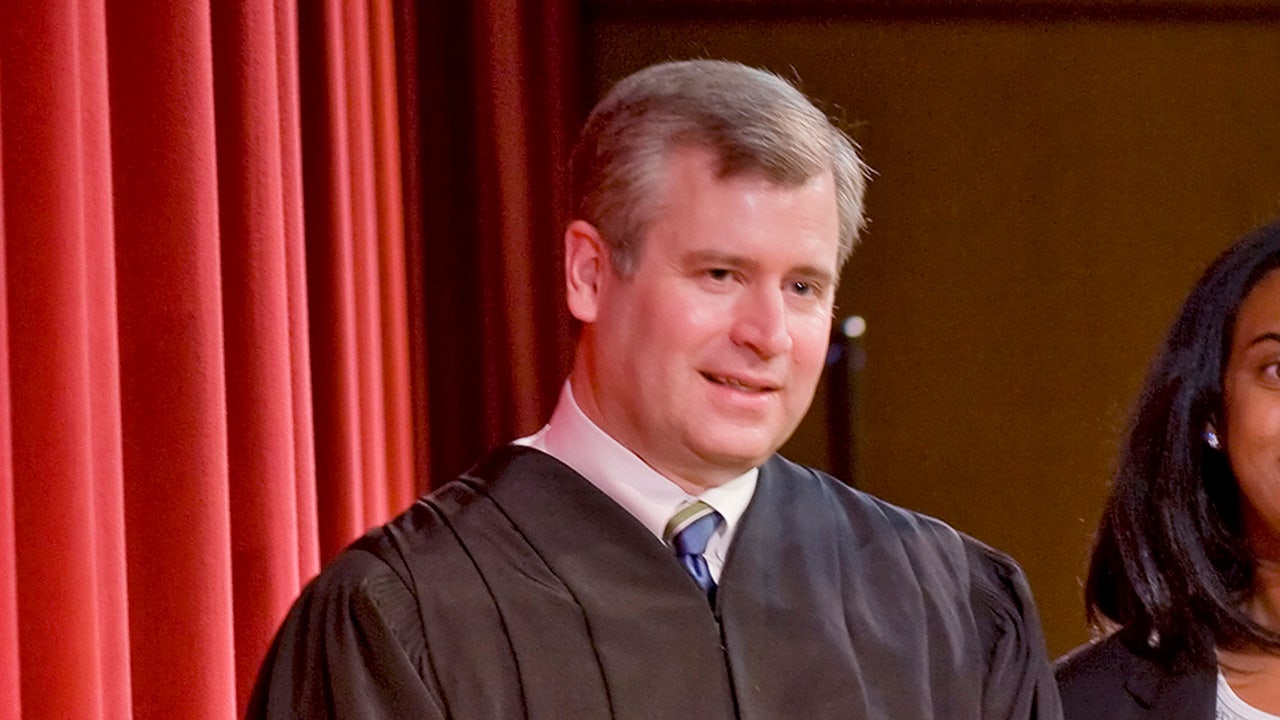
The complaint names Judge Patrick Schiltz, a George W. Bush appointee, and Judge John Tunheim, who was appointed by President Bill Clinton, along with other unnamed judges who took part in the interview. The Justice Department is pushing for the Eighth Circuit’s Judicial Council to investigate and wants Schiltz and Tunheim stepped aside from Department of Homeland Security immigration cases because their impartiality could reasonably be questioned.
That request, though, runs into a basic reality of how judicial discipline works. The Justice Department can file the complaint, but it does not control the outcome, because the process stays inside the judiciary itself.
Under that system, the chief judge of the circuit first decides whether the complaint gets tossed or sent to a special committee for deeper review. If a committee is appointed, it reports back to the Judicial Council, which then decides whether any action is needed, and the rules also make clear that this process is not a shortcut to force a judge off a case just because a party dislikes the rulings.
The disputed interview focused heavily on the wave of immigration litigation that followed the Trump administration’s “Operation Metro Surge.” The judges described a surge of habeas petitions, talked about the pressure on court resources, and expressed concern about parts of the administration’s immigration crackdown.
The DOJ says that is exactly the problem. It argues the judges stepped over the line by speaking publicly about matters tied to active litigation, especially when some of the comments reflected strong criticism of the administration’s enforcement effort.
According to the complaint, Schiltz described the administration’s actions as threatening “the constitutional order” and “the rule of law,” while Tunheim also made remarks critical of immigration arrests. The department says those statements can create the appearance that the judges had already made up their minds before future cases ever reached them.
That concern sits right at the heart of the Code of Conduct for United States Judges, which asks judges to avoid public comments that could cast doubt on their neutrality. The government’s argument is not just that the comments sounded sharp, but that they were aimed at issues still moving through the courts.
The broader fight is already drawing attention from people who see the judiciary becoming more openly political. Chad Mizelle, chair of Litigation for America First Policy Institute, blasted what he called a bench too willing to treat ideology like a robe accessory, arguing that judges need to stay above the fray instead of jumping into the public debate.
Mizelle also pointed to past cases where judges were pulled off matters after speaking to the press in ways that raised bias concerns. He cited the 2001 Microsoft case involving Judge Thomas Penfield Jackson, saying that conduct once viewed as unacceptable should still be treated that way now.
On the other side, Minnesota Attorney General Keith Ellison dismissed the complaint as political retaliation. He said the move had little to do with ethics and everything to do with punishing judges who ruled against federal actions during Operation Metro Surge.
Ellison argued that the complaint was a pressure tactic aimed at the bench, especially after what he described as the administration’s failure to follow hundreds of court orders at the time. His statement framed the DOJ’s move as a warning shot at judges who are willing to check federal power, not a clean-up effort over courtroom ethics.
