
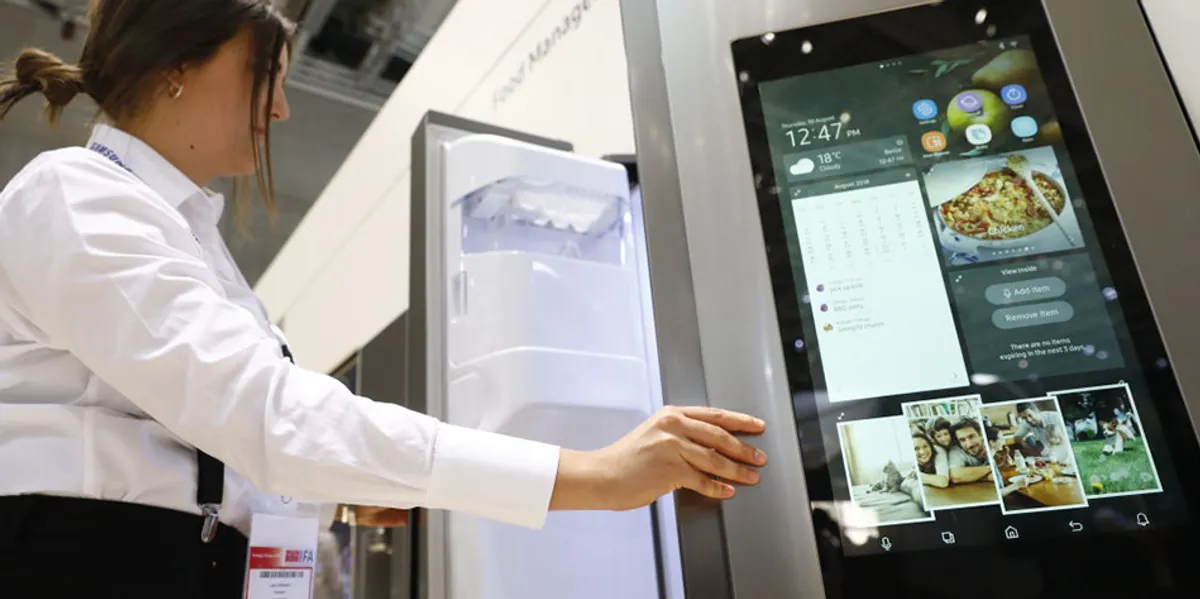
Smart fridges were supposed to make kitchens feel slicker, easier, and a little more futuristic. Instead, a recent software update turned that promise into a headache, with users reporting glitches that threw normal fridge behavior off balance and left plenty of people wondering why a basic appliance suddenly needed this much drama.
The problem sits at the awkward crossroads of convenience and control. When a refrigerator starts acting like a mini computer, every update matters, and every bug can spill straight into daily life, from display issues to odd system behavior that makes the whole thing feel less like a helper and more like a houseguest with bad manners.
That is the bigger lesson here, especially for a company like Samsung, which has pushed hard to connect home devices to the wider smart-home ecosystem. The idea sounds great on paper, but once a fridge depends on software to do the job right, a simple patch can quickly turn into a very public mess.
For consumers, the frustration is not just about inconvenience. A fridge is one of the few appliances people expect to work quietly, all the time, without needing much attention, and that expectation gets shredded the moment an update starts interfering with normal use. When food storage meets firmware, confidence drops fast.
There is also a wider debate brewing around how much intelligence belongs in the kitchen in the first place. Smart features can be useful, sure, but they also create new failure points, and every extra screen, sensor, and update adds another layer of risk to something that used to be simple and dependable.
In South Korea, where consumer technology is often embraced quickly and aggressively, the pressure on major brands is intense. People buy into the promise of seamless innovation, but they also notice immediately when that promise breaks down, and the backlash can be sharp when a high-end device starts behaving like a beta test.
The strange part is that this kind of problem is not hard to imagine. Appliances are now connected to apps, cloud services, and remote management tools, which means a single software rollout can touch features that used to be purely mechanical. That shift brings convenience, but it also means a refrigerator can no longer just be a refrigerator.
For some households, the appeal of a smart fridge is obvious. Inventory tracking, internal cameras, touchscreens, and voice features all sound flashy, and they can be genuinely useful when they work as advertised. But once the software goes sideways, all those extras start feeling less like upgrades and more like liabilities.
What makes this episode stand out is how sharply it exposes the gap between marketing and reality. Tech companies love to sell a future where everything is connected and effortless, yet the day-to-day experience can be clumsy, glitchy, and maddening when the software layer stops cooperating with the hardware underneath.
That tension is likely to keep growing as more household devices get smarter. Buyers may keep chasing convenience, but they are also becoming more aware that every connected feature comes with a trade-off, and sometimes the price of innovation is a kitchen appliance that suddenly forgets how to act like one.
