
An immigration fight over a Wisconsin mosque leader has turned into a major test of national security, foreign policy, and how far federal officials can go when they believe someone’s presence in the country crosses a line. An immigration judge ruled that the government can move ahead with deportation, giving the Trump administration a significant win in a case that has drawn sharp claims from both sides and plenty of attention far beyond Milwaukee.
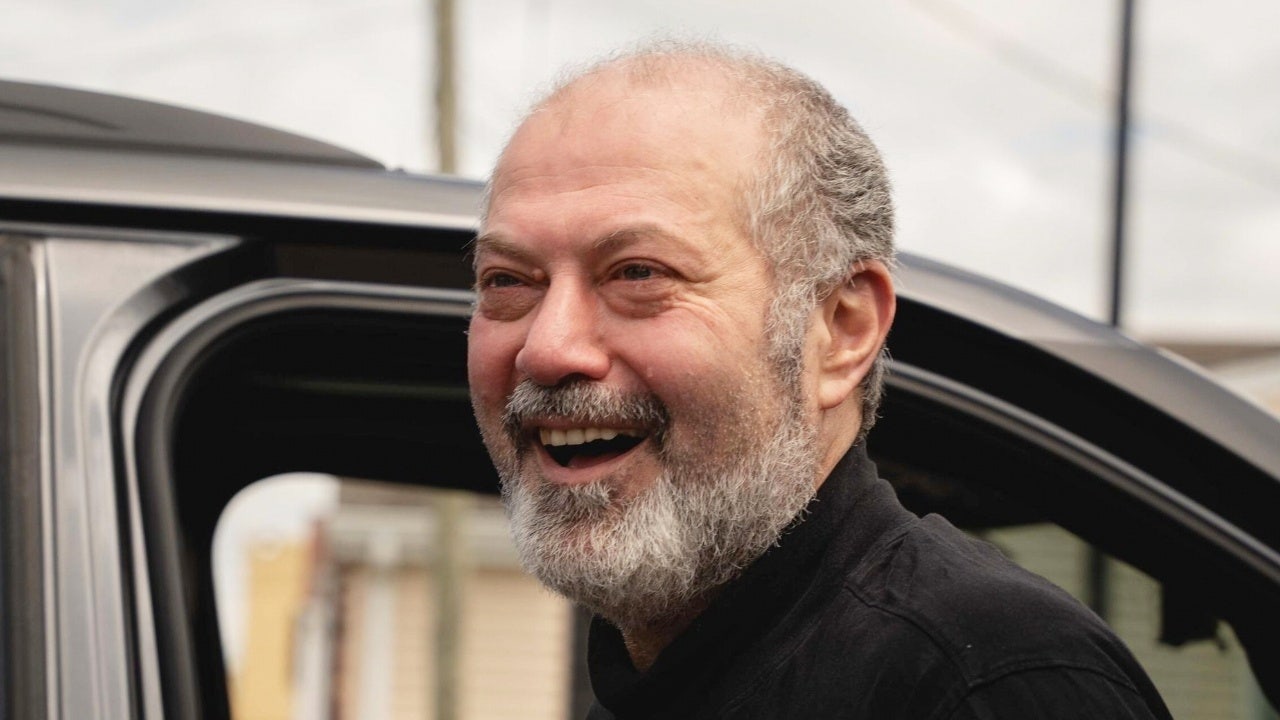
The case centers on Salah Sarsour, the president of the Islamic Society of Milwaukee and a lawful permanent resident who has lived in the United States for decades. Secretary of State Marco Rubio used immigration law to argue that Sarsour could be removed because his continued presence could create serious adverse foreign policy consequences for the country.
That decision did not come out of nowhere. Government lawyers pointed to Sarsour’s old convictions in Israel, including allegations tied to rock-throwing at Israeli military personnel and an attempt to obtain weapons, as part of the broader national security picture.
One allegation has been a point of dispute from the start. Officials said Sarsour had also been convicted of throwing a Molotov cocktail at IDF personnel, but his lawyer pushed back and said that accusation did not end in a conviction.
The defense has taken a hard line, arguing that the government is stretching the case to fit a political narrative. Patrick Taurel, one of Sarsour’s lawyers, said that after more than 30 years in the country, with no arrests or convictions in the U.S. and a family of six American citizen children, calling him a public safety threat drains those words of any real meaning.
Homeland Security sees it very differently. A department spokesperson said Rubio had reasonable grounds to believe Sarsour’s presence would have adverse foreign policy consequences and that he had engaged in terrorist activity or supported a terrorist organization.
The government also tied the case to older material that has followed Sarsour for years. A 2001 FBI memo summarized allegations from his brother, Jamil, saying he helped fundraise for the Holy Land Foundation on behalf of Hamas, an organization the federal government later shut down over terror ties.
Other reporting has added more fuel to the controversy. Jewish Insider reported that Sarsour once wrote a Facebook post asking God to “give Gaza people victory,” and later acknowledged in a deposition that additional wording in the post could be translated as asking God to punish those who wanted harm on Gaza.
Another layer of the dispute is the question of motive. Sarsour and his legal team say he is being targeted for his activism on the Israel-Gaza conflict, not because of any true threat inside the United States.
They also argue that the timeline makes little sense if the government truly believed he was dangerous. Sarsour’s lawyers have said he has lived in the country for 30 years, and they are asking why authorities waited so long to pursue his removal if national security was really the concern.
The administration has kept the tone blunt. The DHS spokesperson said that under President Trump and Secretary Mullin, people who break the law will face consequences, and added that criminal illegal aliens are not welcome in the U.S., while also saying illegal aliens receive due process.
For Sarsour, the ruling is not the end of the road. He has said he will appeal and continue fighting to stay in the country, framing the case as a battle over free speech and his right to remain in the place he has called home for more than three decades.
The fight now sits in that uneasy space where immigration law, foreign policy, and public safety all collide. That is exactly why the case has landed with such force, and why every new turn keeps drawing fresh scrutiny from supporters, critics, and a federal government that appears ready to press its advantage.
