
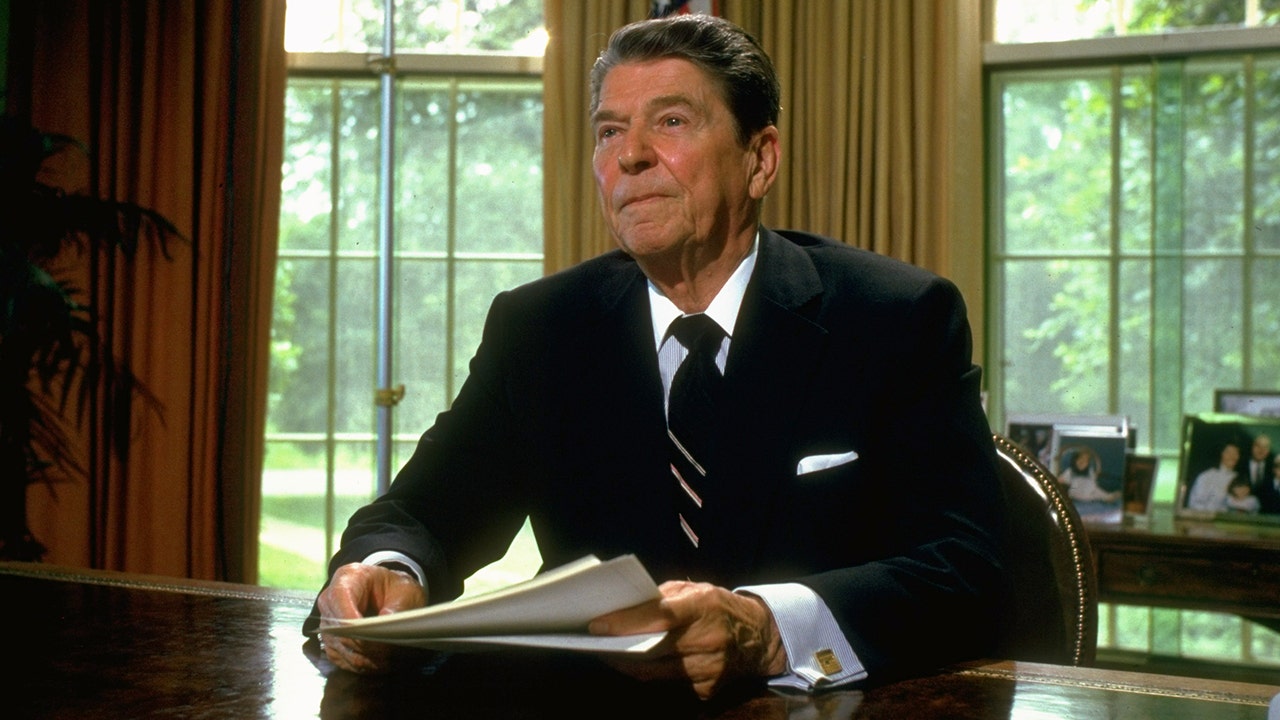
Republicans keep running into the same ugly midterm wall, and history has a nasty way of backing that up. Since 1946, the president’s party has usually taken a beating in House races, but the real opening comes when conservatives offer something bigger than defense and damage control. Ronald Reagan understood that voters do not just want complaints, they want a cause worth standing behind.
The midterm pattern is brutal. In 18 of the last 20 elections since 1946, the president’s party lost House seats, and the modern era has only two clear exceptions. That kind of record can make defeat feel baked in, especially when a party spends more time reacting to the other side than setting its own course.
Donald Trump felt that force in 2018, when Republicans lost 41 House seats even as they picked up two in the Senate. That result was not a fluke so much as a reminder that midterms punish the party in power unless it gives voters a reason to rally. Strong opposition alone rarely moves enough people.
Reagan’s 1980 address, “A Vision for America,” offers the better blueprint. He spoke during a tense stretch for the country and reached for the icons Americans already trusted, from astronauts to John Wayne. The point was simple and sharp: people respond when politics sounds like a national mission instead of a defensive scramble.
That speech worked because Reagan made patriotism feel personal. He talked about loss, legacy, courage, and the kind of everyday heroism that ordinary Americans recognize in themselves. The message was not complicated, but it was powerful enough to turn pride in the country into political energy.
There were only two modern breaks in the midterm curse, and both came when the country had reasons to pull together. In 2002, Republicans under George W. Bush gained eight House seats in the shadow of 9/11, when national unity was still raw and strong. In 1998, Democrats also bucked the trend under Bill Clinton, helped by a strong economy and a moment of relative stability.
That matters because it shows what actually shifts voters. They do not just reward the party in charge for existing; they respond when the party in power feels tied to something larger than itself. National purpose, confidence, and clarity can override the usual midterm drift.
For Republicans, that means drawing a line between an optimistic American future and the left’s increasingly hard-edged politics. The contrast is stark, especially as the Democratic coalition keeps drifting toward ideas that sound less like mainstream America and more like activist wish lists. Voters can spot the difference when it is described in plain language.
The winning side is the one that can make freedom look real. That means talking about innovators, entrepreneurs, first responders, soldiers, civil-rights leaders, and the kind of Americans who build, protect, and create. It also means making the case against the bureaucrats, ideologues, and political elites who want to manage every part of life from above.
That argument lands best when it connects to daily life. Lower taxes, safer streets, healthier food, parental control, and the right to make your own choices all fit inside the same broader idea of American freedom. When those ideas are framed as part of a proud national story, they stop sounding like policy bullet points and start sounding like a future people can actually get behind.
Reagan got that part right long before modern campaigns became obsessed with polling and micro-targeting. He understood that Americans do not want to be lectured, and they do not want to be told the country is finished. They want leaders who can speak to the country’s grit, optimism, and stubborn belief that the next chapter can still be better than the last.
