
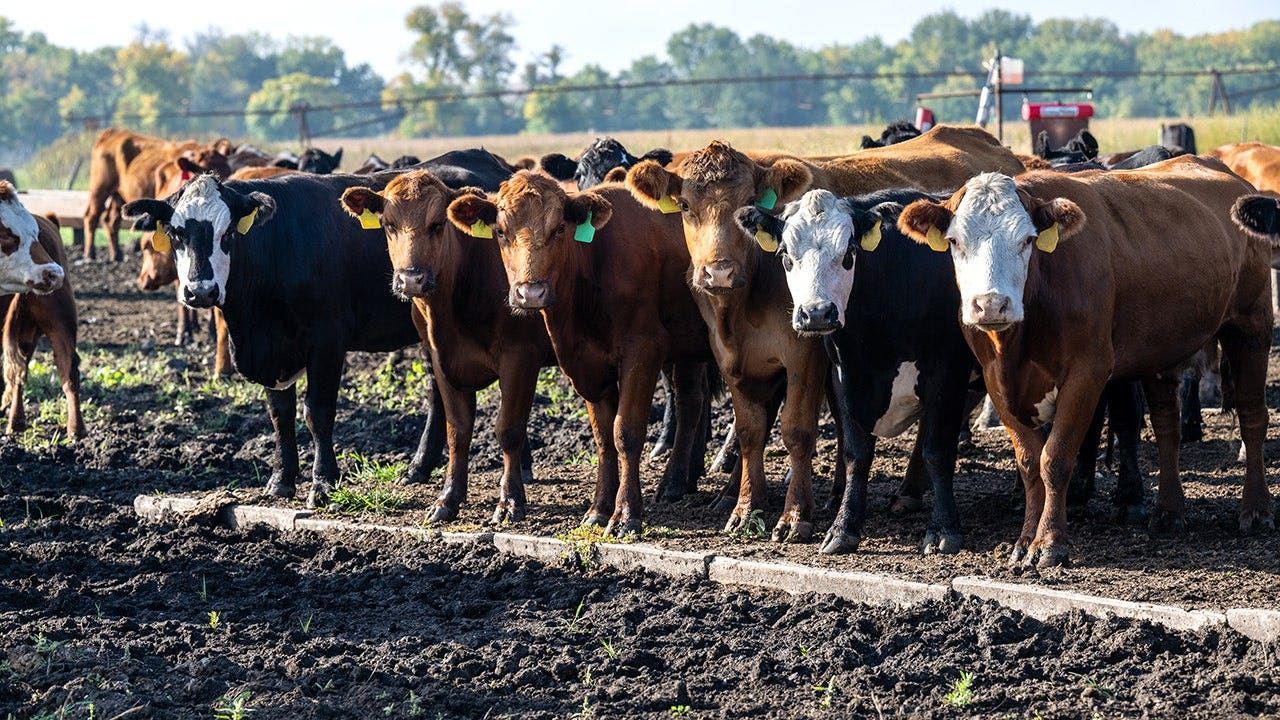
Ground beef has climbed to painful new highs, and that price tag is squeezing households that depend on it for everyday meals. The fight over why it costs so much runs through ranches, packing plants, state lines, and a federal system that often makes it easier to ship beef from overseas than to move it across town. President Trump is trying to unwind some of those knots by pushing for more competition, fewer barriers, and more room for American ranchers to breathe.
For millions of families, beef is not some luxury cut reserved for a night out. It shows up as burgers, tacos, meatloaf, and slow-cooked dinners that fill the table without blowing up the budget. When a staple like that jumps, the pain lands everywhere at once, from grocery bills to family menus.
The core problem is not that Americans suddenly forgot how to raise cattle. The bigger issue is that the system around cattle production has become cluttered and restrictive, and that friction gets passed straight to consumers. Ranchers can do the hard work, but if the path from pasture to plate is blocked, the market gets warped and prices stay high.
Part of the mess starts with trade and processing rules that favor imported meat in odd ways. Foreign beef can travel thousands of miles and still land in American stores more easily than some domestic beef can cross a state line. That is a strange setup for a country that prides itself on free enterprise and common sense.
Even ranchers using state inspection programs that meet federal standards can run into a wall once they try to sell beyond their own borders. A neighbor in one state may want to buy directly from a rancher in another, but the meat still has to go through approved facilities and layers of regulation. If the nearest plant is far away, overloaded, or unavailable, the sale never happens.
Then there is the processing side, where a tiny number of giant firms control most of the market. When four companies dominate about 85 percent of beef processing, competition gets thin fast. That kind of concentration means ranchers often have only one or two real buyers, which leaves producers taking the price offered instead of setting one through a competitive market.
The result is a system that can crush smaller operators before they even get a fair shot. Building and running a federally compliant plant is so expensive and tangled in paperwork that only the biggest players can usually survive. That is not a free market at work, and it is not a setup that rewards innovation or local entrepreneurship.
Trump has moved to change that with executive orders aimed at easing some of the pressure on ranchers. The push includes efforts to reduce regulatory barriers, expand access for state-inspected meat, support smaller processors, modernize inspections, and give ranchers more ways to market their beef. Those steps are meant to create more room for competition instead of letting a few firms keep a chokehold on the supply chain.
The USDA has also moved to help states start or expand their own inspection programs. That matters because more local processing capacity can shorten waits, lower bottlenecks, and give ranchers more options close to home. When producers have real choices, they can keep more of the value they create instead of handing it off to middlemen.
What is happening in beef is really part of a larger pattern. The same kind of bureaucracy slows timber harvests, stretches out mine permits, and pushes American industry into a corner. The pattern is familiar: burden domestic producers, then act surprised when imports look cheaper.
That is why the beef battle matters so much right now. Ranchers do not need applause, and they do not need trendy slogans. They need a system that lets them work, sell, and compete without a maze of red tape standing in the way.
