
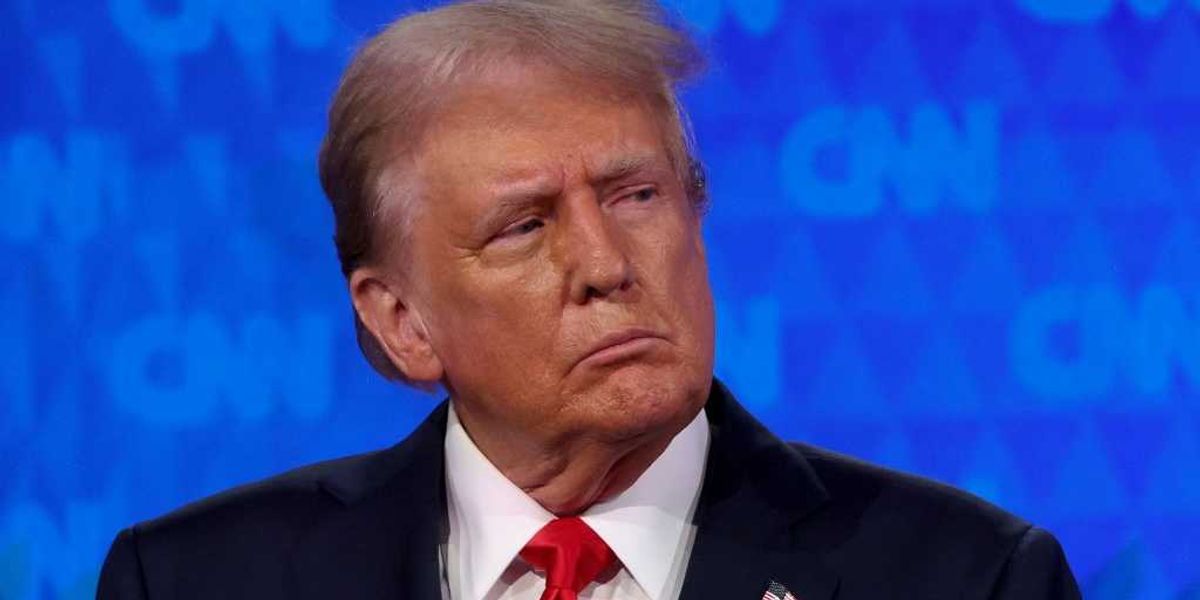
Donald Trump’s clash with the media has always been loud, messy, and impossible to ignore, but the real fight is bigger than any single press conference or cable-news meltdown. The deeper issue is how a politician pushes back against distortion without feeding the same machine he wants to expose.
For years, Trump has understood that a lot of people are fed up with smug, selective coverage that feels more like agenda-setting than reporting. That frustration is real, and it helps explain why his attacks on the press landed with so many voters who felt dismissed or mocked by the political class.
But there is a limit to how far that approach can go before it starts working against the goal. When the response to bad reporting turns into nonstop bluster, the original point can get buried under the noise, and the media gets exactly what it wants: another cycle built around outrage instead of substance.
The old Reagan-era instinct offered a cleaner path. Ronald Reagan did not need to scream over every critic to make his case, and he understood the power of discipline, message control, and confidence under pressure. That style did not hand opponents a fresh spectacle every day, and it let the administration project strength without looking consumed by the enemy.
Trump’s style is different, and that difference matters. He has a gift for exposing double standards in real time, often in language regular people understand instantly, but the downside is that the most viral moments can drown out the argument itself. In media combat, attention is a weapon, but it is also a trap.
The problem with fake news is not that criticism exists. The problem is when distortion gets packaged as authority, repeated across panels and headlines, and then defended as if repetition alone makes it true. That is where the First Amendment conversation gets complicated, because defending free speech does not mean pretending all speech is equally honest.
A tough, skeptical public is still the best defense against manipulation. Once people stop trusting every polished talking head, the power of the smear starts to shrink, and the audience gets a little harder to fool. That is why the fight over media trust is so central, even when it looks like just another political food fight on television.
Trump’s instincts often come from the right place, especially when he calls out the obvious bias many Americans can spot from a mile away. The trouble is that the response sometimes becomes so explosive that it feeds the same circus it is supposed to break. A sharper, cooler approach would hit harder and last longer.
That does not mean backing down from the press or pretending the problem is minor. It means choosing battles with more precision and less theater, so the message stays on the offense instead of turning into a never-ending reaction loop. The strongest answer to bad reporting is not panic, but credibility, repetition, and a refusal to play by the media’s favorite rules.
