
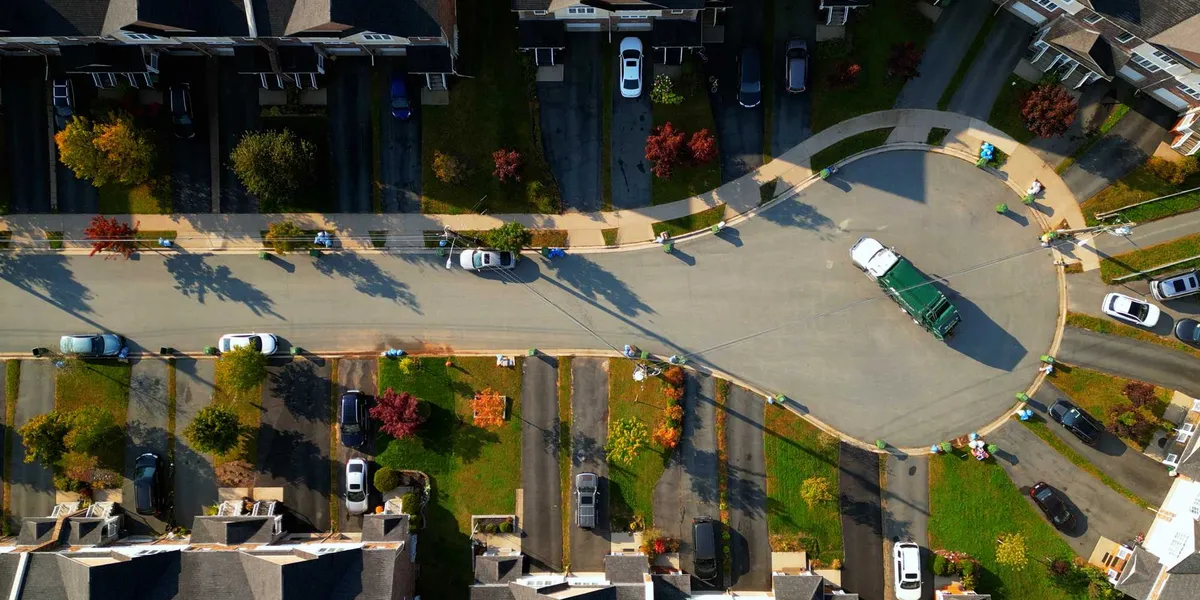
A new layer of public oversight has rolled into one big Texas city, and it is coming in the form of garbage trucks. What used to be a routine part of curbside life is now being watched through technology that can track behavior, flag activity, and feed a much broader system of monitoring. The result is a simple municipal service that feels a lot less simple once the surveillance angle comes into view.
Garbage trucks are not just hauling waste anymore. In this city, they are also part of a growing web of sensors and data collection tools that can observe neighborhoods in ways most people never expected from a trash pickup route. That shift matters because it blends an ordinary public service with something far more invasive, especially when the technology reaches beyond sanitation and into watchful oversight.
The whole setup reflects a bigger trend that has been creeping into American cities for years. Technology that starts out sounding practical often expands into a system that can monitor movement, habits, and property conditions with very little friction. Once that kind of infrastructure is in place, the line between helpful city management and constant observation gets blurry fast.
For many residents, the uncomfortable part is not that cities want cleaner streets or better service. It is that the tools being used can quietly turn into a window on everyday life, all without much debate or visibility. A truck that once blended into the background now represents a very visible reminder that even routine civic systems can be repurposed into eyes on the public.
This is where the surveillance state starts to feel less like a distant concept and more like something built into daily life piece by piece. It does not always arrive with sirens, speeches, or dramatic announcements. Sometimes it shows up wrapped in efficiency, convenience, and the promise of smarter city operations, which makes it easier to accept before the full picture is clear.
The Texas example also taps into a wider anxiety about how much data local governments should really be gathering. If a trash truck can help collect information beyond trash, then plenty of other city systems can do the same. That raises the stakes for anyone who values privacy, because the technology is often marketed as neutral while its reach keeps widening.
Public trust can take a hit when residents feel they are being observed by systems they never asked for and may not fully understand. People generally expect city services to collect garbage, fix potholes, and keep things running. They do not expect those same services to become part of a quieter, more persistent network of monitoring that works from the curb outward.
None of this means the technology is destined to be abused, but it does mean the temptation is always there. Once surveillance tools are installed and normalized, rolling them back gets harder, not easier. That is why this story lands with such force, because it shows how easily a basic public utility can become a symbol of something much bigger and much more unsettling.
