
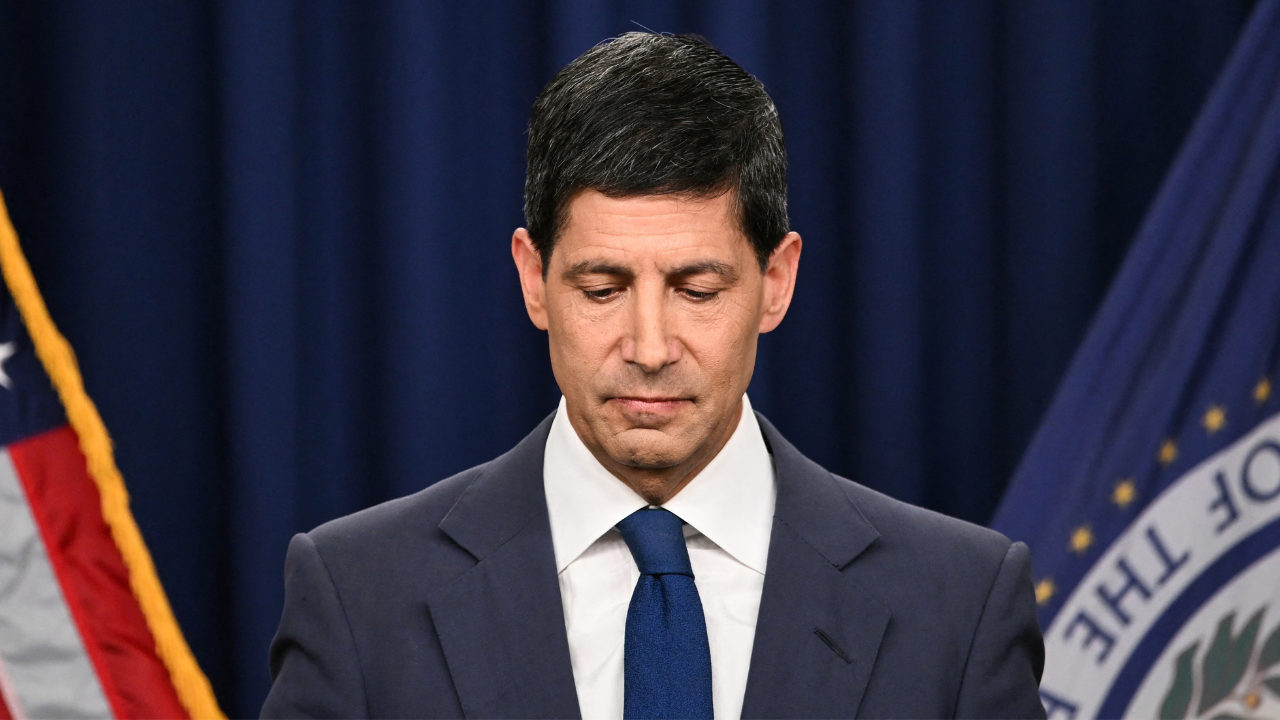
The Federal Reserve’s rate hike has shifted the conversation from market charts to kitchen-table reality, and that is where the real political danger starts for Republicans and for Washington in general. The economy may still look sturdy on paper, but many families are already feeling squeezed, and the next stretch of higher borrowing costs could sharpen that pressure fast.
Inflation has not vanished just because the headlines moved on. Gas, groceries, mortgages, and credit-card bills still shape daily life, and every extra percentage point in interest rates makes the math a little uglier. For many Americans, the big question is no longer whether the economy is technically resilient, but whether resilience has become code for simply hanging on.
That matters because the Fed’s logic is straightforward, even if the pain is not. Higher rates are supposed to cool demand, slow spending, and eventually pull prices back toward earth, but that process lands unevenly. A business owner weighing expansion, a couple trying to buy a home, or a household already carrying debt feels the squeeze immediately, long before any victory lap on inflation can begin.
There is a real split between the economy as measured and the economy as lived. Washington can debate the causes of inflation endlessly, from pandemic spending to tariffs to energy shocks, but voters do not need a seminar to know what they paid at the pump or in the checkout line. They experience policy through bills, balances, and postponed plans, not through tidy economic language.
That is why the word “resilient” can sound almost insulting after a while. A family can be resilient because it is strong, but it can also be resilient because it has no choice but to keep grinding through rising costs and shrinking options. The same word that sounds impressive in a report can feel more like a shrug when a household is delaying repairs, cutting back purchases, or using credit just to stay afloat.
The political problem for Republicans is that the Fed’s move reinforces a message voters already understand: inflation is still not fully under control. Democrats will try to pin the pain on the White House’s economic record, while Republicans will point to energy prices, supply shocks, and the global mess behind them. Both sides have arguments, but the public usually hears something much simpler than the spin.
People ask whether they are better off than they were a year ago, and that question cuts through all the noise. If housing feels out of reach, if groceries keep climbing, and if debt is swallowing more of the paycheck, then “the economy is strong” starts sounding detached from reality. The mood changes fast when the monthly budget stops cooperating.
That is where the Fed’s decision becomes more than a policy move and turns into a political signal. It tells Americans that inflation is still serious enough to demand tighter money, even if that means making everyday borrowing more expensive right now. For anyone already stretched thin, that message lands as another reminder that relief is still somewhere down the road.
There is also the uncomfortable truth that monetary policy cannot fix everything driving prices. The Fed can cool demand, but it cannot create oil, untangle global conflict, or instantly repair supply chains. When the source of pain sits outside the central bank’s reach, higher rates can feel like treating a fever with a smaller paycheck.
That gap between what policymakers can control and what families can afford is where frustration builds. People do not vote on spreadsheets, and they do not reward institutions for sounding confident while life keeps getting more expensive. They vote on whether their personal economy feels stable, and right now a lot of households are still waiting for that answer to turn around.
So the next round of economic debate will not be about abstractions for long. It will be about who can explain why the medicine still hurts, why the cure takes so long, and why the burden seems to keep landing on the same people. And as the pressure builds, voters will keep staring at the same blunt questions every month when the bills show up.
