
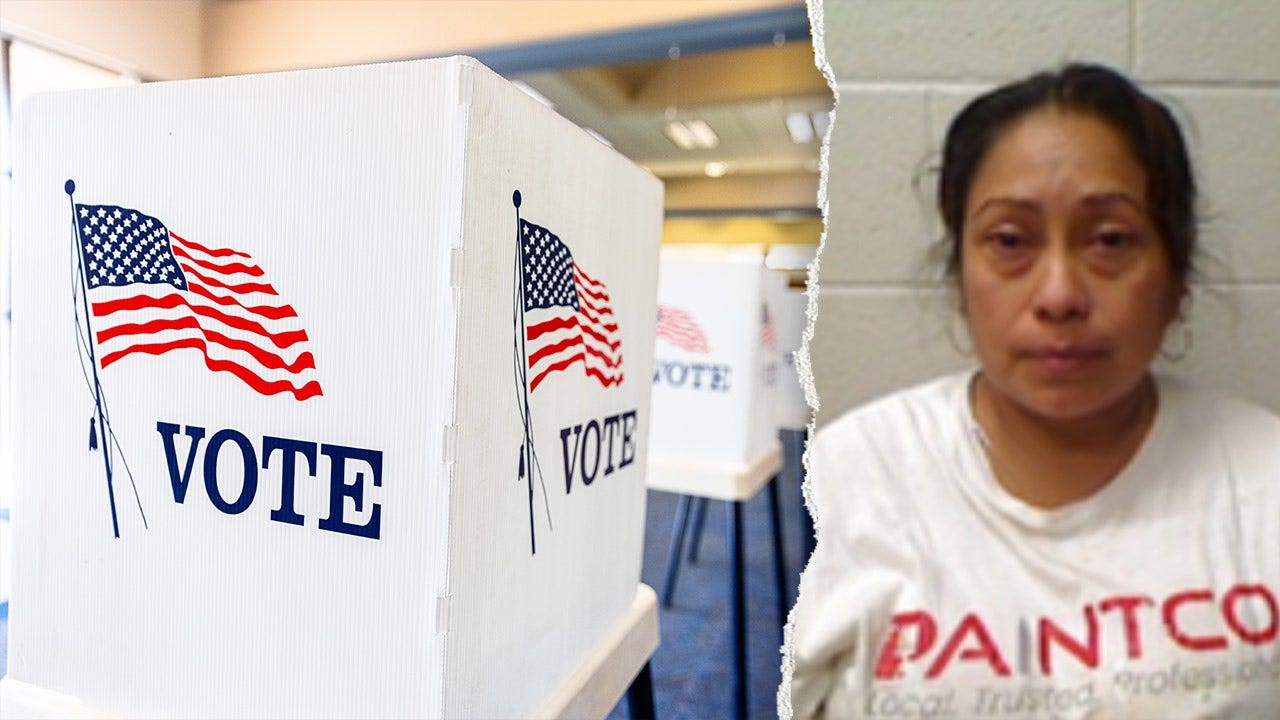
An arrest in Indiana has put voter fraud and election integrity back in the spotlight, with federal officials saying a Guatemalan woman illegally cast a ballot in a national election. The case has sparked sharp language from Homeland Security leaders, who argue that even one unlawful vote chips away at the rights of citizens. It also fits into a broader push by immigration and election officials to crack down on noncitizen voting and tighten safeguards around the ballot box.
According to the Department of Homeland Security, Helda Araceli Mendez-Merida was arrested on Sept. 3 by ICE officers in Indianapolis. Officials say the accusation is straightforward and serious: she allegedly voted in a federal election despite not being a U.S. citizen. The department framed the arrest as part of an effort to protect the integrity of elections, especially when public trust is already fragile.
DHS Secretary Markwayne Mullin came out swinging, saying, “The patriots of ICE arrested this illegal alien from Guatemala after she illegally voted in a past election,” and adding, “This illegal alien will be deported so she can never again poison our elections.” That kind of language shows how intensely the administration views the case, treating it not as a paperwork issue but as a direct attack on the democratic process. The message was clear: citizenship matters, and voting is supposed to be reserved for those who earned that right.
Officials also said it was not immediately clear which election Mendez-Merida allegedly voted in. DHS says she entered the United States illegally through Arizona in September 2015, during the Obama administration, and later received a final order of removal in September 2019 from an immigration judge. That timeline gives the case a long tail, stretching across multiple years and enforcement decisions before the arrest finally came down.
The administration’s argument is bigger than one arrest. Federal officials have been signaling that alleged noncitizen voting is not something they intend to shrug off, especially with national races hanging on tight margins and every legal vote carrying weight. When leaders say one illegal ballot steals from an American citizen, they are pushing a simple idea that resonates with a lot of voters: the system only works if the rules actually mean something.
ICE Enforcement Division Acting Assistant Director Patricia Hyde made that point directly, saying, “The right to vote is the cornerstone of democracy in the United States,” and adding that Mendez-Merida “attempted to subvert a national election by unlawfully casting a vote.” The wording matters because it frames the issue as more than an immigration violation. In this view, voting unlawfully is an offense against the civic contract itself.
The case also lands at a time when the federal government has been talking up stronger verification steps and closer scrutiny of ballot access. That includes renewed attention on who is eligible to vote and how states can better guard against abuse, whether it shows up at the polls or through mail ballots. For supporters of stricter enforcement, the Mendez-Merida arrest is the kind of example they point to when arguing that election security cannot be left to good intentions alone.
What makes these cases so combustible is the mix of immigration enforcement and election law. Some see the issue as obvious, since noncitizens are not supposed to vote in federal elections, while others worry about how often these cases surface and whether they are being discovered early enough. Either way, the public reaction tends to be immediate because voting sits right at the center of national identity and political power.
Indiana is now the setting for a case that federal officials are using to underscore a larger warning. The idea being pushed is blunt and uncompromising: if the system cannot stop ineligible voters, confidence in every result gets weaker. That is why the arrest is getting so much attention, and why the fight over election integrity is likely to stay loud long after this one case moves through the system.
