
Airlines are feeling the squeeze from more expensive jet fuel, and the response is already showing up in flight plans. Major carriers are cutting back capacity, reshuffling schedules, and leaning hard on strong demand to blunt the hit.
Executives from American Airlines, United Airlines and Southwest Airlines said the recent jump in fuel costs is forcing them to get sharper about where planes fly and how many seats they put into the market. The pressure is coming from a global jet fuel price that climbed 6.1% week over week to $181.46 per barrel, according to the International Air Transport Association.
At Morgan Stanley’s 14th Annual Laguna Conference, American Airlines Chief Financial Officer Devon May said the airline’s fourth-quarter fuel costs are tracking about $1 per gallon above what it expected in July. That adds up fast, with May saying the increase could mean roughly $1 billion more in fuel expense.
“Overall for the third quarter, we feel great,” May said. “What’s happened in the last four weeks, though is fuel’s run up probably $1 a gallon or something like that for the fourth quarter alone.”
American is not standing still. May said the carrier will keep adjusting capacity later in the quarter if fuel remains elevated, while Chief Executive Robert Isom pointed to strong revenue trends across domestic and international travel, as well as both premium and economy cabins.
“When you take into account fuel right now, yes, we’ve absolutely done a great job of recapturing a tremendous amount of that expense,” Isom said.
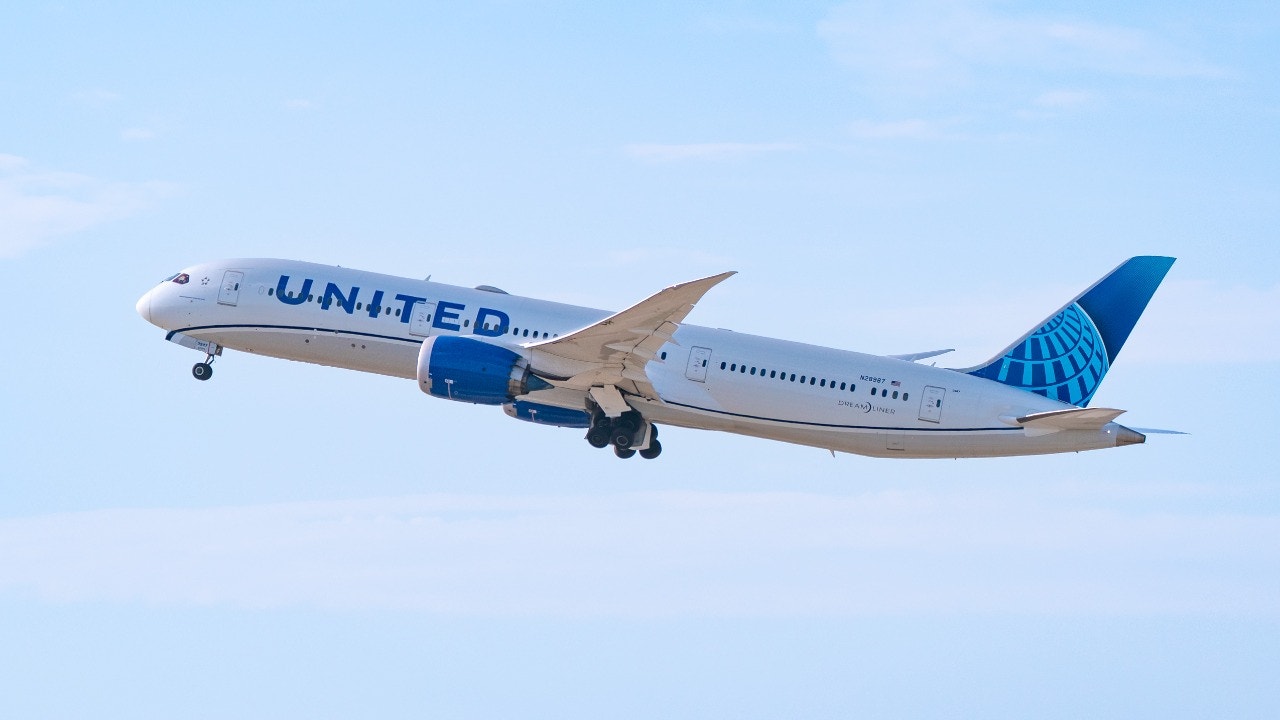
United Airlines is making similar changes, though with a more pointed message about the calendar ahead. Chief Financial Officer Michael Leskinen said some December flights that were previously planned will now be dropped because of higher fuel prices, and he warned more changes could follow if costs stay stubborn.
“As you look into the fourth quarter, there’ll be some flights in December that we won’t fly that we thought we were going to fly,” he said at the conference. “If fuel remains high, we’ll make some adjustments into the first quarter and beyond into 2027.”
Even with those cuts, United is still seeing plenty of traveler demand. Leskinen said bookings for the fourth quarter are “tremendously strong,” with premium travel, corporate demand and economy demand all holding up well.
“Bookings have continued as we expected, so that piece of the equation is resilient — very little evidence of demand destruction,” Leskinen said.
Southwest Airlines is also trimming where it can. Chief Financial Officer Tom Doxey said the airline has already reduced about half of the modest year-over-year capacity growth it had planned at the start of 2026, calling lower capacity the natural response if fuel stays expensive.
“If fuel is higher for longer,” Doxey said, trimming capacity would be the “natural response.”
A spokesperson later said the schedule changes so far have been minor and that Doxey was speaking in broad terms rather than describing a specific move already underway. That kind of careful language makes sense when airlines are trying to avoid overreacting while costs keep shifting under their feet.
Southwest is getting some help from strong bookings, too. Doxey said fall travel has come in better than expected, giving the airline room to maintain its third-quarter earnings guidance despite the fuel spike.
The bigger picture is straightforward: airlines can handle a lot, but fuel is the kind of cost that hits every flight, every route and every seat. When that number jumps, carriers do what they always do, protect margins where they can, cut weaker flying first, and keep a close eye on whether travelers are still willing to pay up.
