
New York politics is heating up again, and this time the fight is over who gets to enter and stay in the country under a tougher federal standard. Mayor Zohran Mamdani and New York Attorney General Letitia James have gone to court to stop the Trump administration from expanding how it weighs welfare status in visa and green card decisions.
The dispute centers on the public charge rule, a long-running immigration policy that lets the government deny certain applications if officials believe a person is likely to depend on public benefits. The Trump administration wants to broaden that test by adding more benefits to the mix, and the change is set to kick in on Sept. 18 unless a court steps in first.
Mamdani and James say the move goes way beyond a simple policy tweak. They argue it reaches into a century of immigration law and uses vague language that could rattle immigrant communities and make the process feel less like a rulebook and more like a trap.
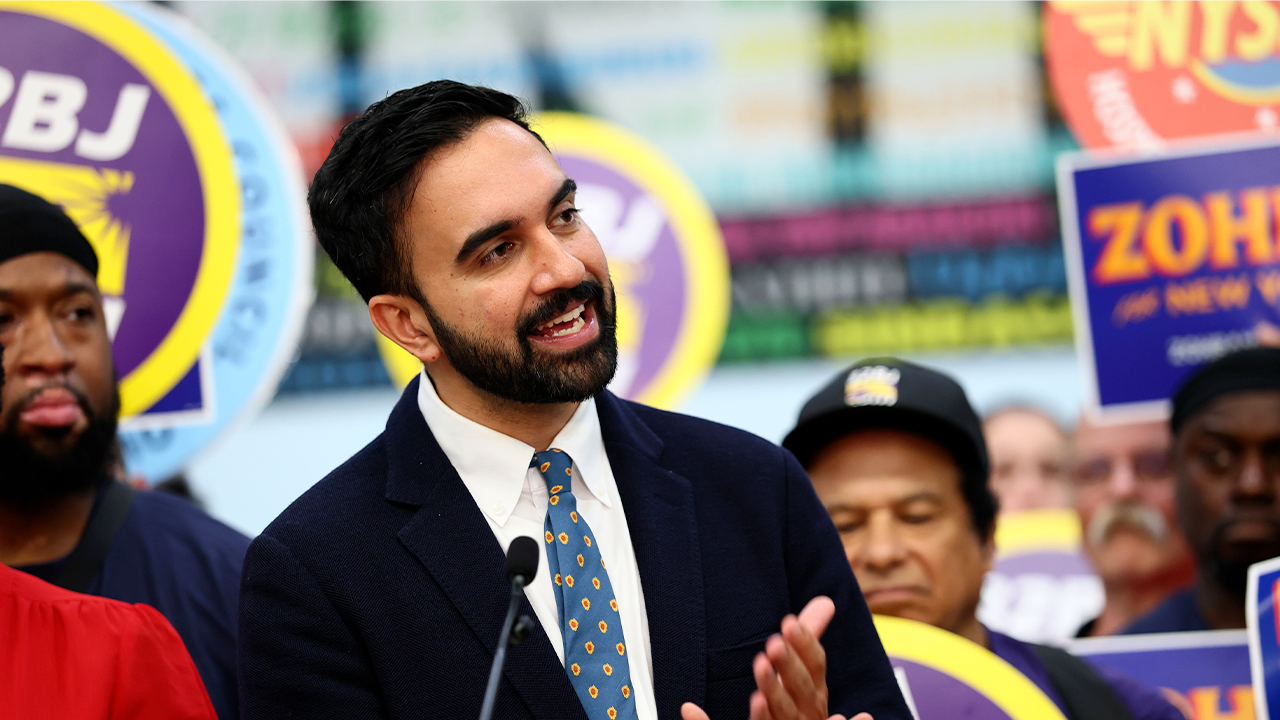
At a press conference Monday, Mamdani drew a line between people already covered by the new rule and those who would still be unaffected. “If you are a citizen, or an individual seeking humanitarian relief like asylum, these changes will not affect you,” he said. “The new public charge rule not only sweeps aside more than a century of established law, it is intentionally vague as a means of creating uncertainty and fear to isolate immigrant New Yorkers.”
The legal clash reflects a bigger battle over immigration enforcement and the role public assistance should play in screening applicants. Supporters of stricter standards argue that taxpayers should not be left carrying the load for people likely to depend on government aid, and they see the policy as a common-sense guardrail rather than a punishment.
Critics, though, say the rule sends a chilling message to law-abiding immigrants who are trying to build a life in the United States. They warn that fear alone can keep eligible families from seeking help, even when that help is temporary, lawful, and essential.
That tension has made the case bigger than New York City. It taps into a nationwide argument that keeps coming back: whether immigration policy should prioritize self-sufficiency at the gate or avoid turning benefit use into a broad penalty that reaches far beyond its original purpose.
For New York leaders, the issue is also political, because the city has long positioned itself as a magnet for immigrants and a defender of sanctuary-style policies. Going after the Trump administration in court sends a clear signal that local officials are ready to fight any federal move they see as designed to narrow the path for newcomers.
The timing matters too, with the rule change just days away and the legal challenge arriving before the deadline. That leaves the court to decide whether the administration can move ahead or whether the expansion should be paused while the case plays out, which could shape how aggressively immigration officials move on applications in the near term.
Behind all the legal language is a basic question with real-world stakes: who gets welcomed, who gets screened out, and how much weight the government should give to public benefits when deciding the future of an applicant. As that fight moves forward, the pressure is on both sides to prove that their version of fairness is the one that should stick.
