
Checklist:
- Kamala Harris and the resurfaced AI clip
- Her call for slowing AI development
- Online backlash and mockery
- Earlier AI and cloud explanations
- Democratic calls for AI oversight
- Trump’s pushback on AI restraints
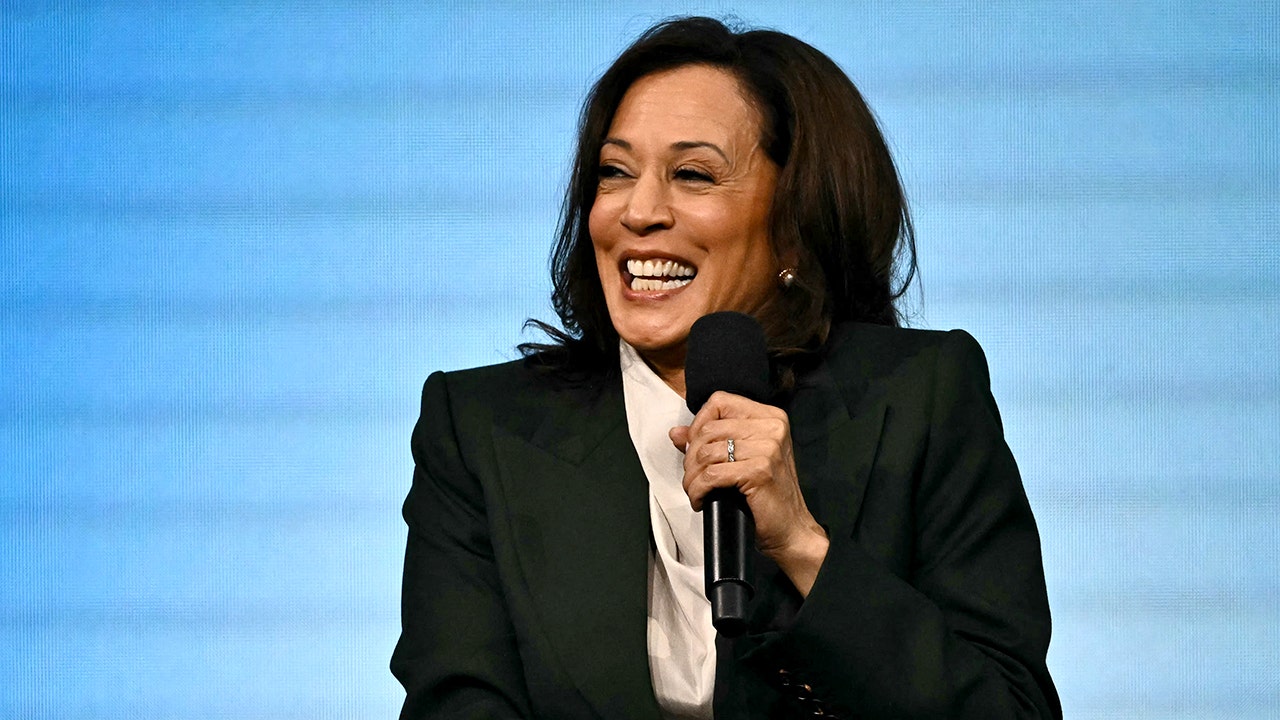
Kamala Harris is back in the spotlight for all the wrong reasons after a resurfaced clip of her trying to explain artificial intelligence started making the rounds again. The timing made it sting even more, since it came right after she urged President Donald Trump to back a treaty with China aimed at slowing dangerous AI uses and setting global standards.
That new call for restraint did not land quietly. Instead, it kicked off a wave of online ribbing from critics who immediately dragged up Harris’ awkward 2023 attempt to describe AI in plain English, a moment many people remembered as more confusing than clarifying.
At the time, Harris was serving as the Biden administration’s AI czar, and she leaned hard into a simple explanation. “I think the first part of this issue that should be articulated is AI is kind of a fancy thing,” Harris said. “First of all, it’s two letters. It means artificial intelligence, but ultimately what it is is it’s about machine learning.”
She kept going from there, trying to connect machine learning with the information fed into a system and the choices that come out the other side. The problem was not the topic itself, but the way she described it, which only gave critics more material to work with.
Her latest post argued that AI is moving too fast and that the U.S. should slow the pace of frontier development while keeping safety rules in place. Harris also said Congress should move quickly on oversight and framed the issue as a balance between progress and control.
That was enough for opponents to jump in immediately. Conservative commentator Western Lensman reposted the old video and mocked the contrast between the polished statement and the clunky explanation from two years earlier, turning Harris’ own words into a fresh punchline.
Others piled on with sharper attacks. National security and global economics expert Kyle Bass suggested the post did not sound like Harris at all, while columnist S.L. Kanthan blasted her call for a slowdown and brought up another video of her trying to explain cloud storage.
That earlier clip has lived rent-free in plenty of minds for a reason. “No longer are you necessarily keeping those private files in some file cabinet that’s locked in the basement of the house. It’s on your laptop, and it’s then, therefore, up here in this cloud, that exists above us, right?” Harris said, in a line that became an instant target for ridicule.
The reaction to her AI warning also drew attention to the larger Democratic push for tighter oversight. Barack Obama recently told donors that artificial intelligence should be near the center of the party’s agenda, warning that the technology could become dangerous if it is not watched closely.
“This is something that is moving very fast in private hands, and if we don’t get on top of it, I think can be dangerous,” Obama said. He also argued that AI could still bring real benefits, including faster drug development and cleaner energy breakthroughs, if handled carefully.
That debate is not going away anytime soon, especially with the industry moving at full speed and lawmakers trying to catch up. Even some tech leaders have called for a pause or slowdown, which shows just how split the conversation has become.
Trump, for his part, took the opposite approach and rejected more restraints on AI. “The only control or ‘guardrails’ that AI needs is a STRONG AND SMART (High IQ!) PRESIDENT, and the U.S.A. has that, in spades!” Trump wrote on Truth Social.
He went further, saying that anti-AI pressure was part of a broader problem and warning that China would benefit if the U.S. hesitated. “WHOEVER WINS AI, WINS! We are leading China, and all others, and will continue to do so,” he added, keeping the message blunt and unmistakable.

2 Comments
Knows Zero of AI day 1
Ya, she is my pick for 2028.