
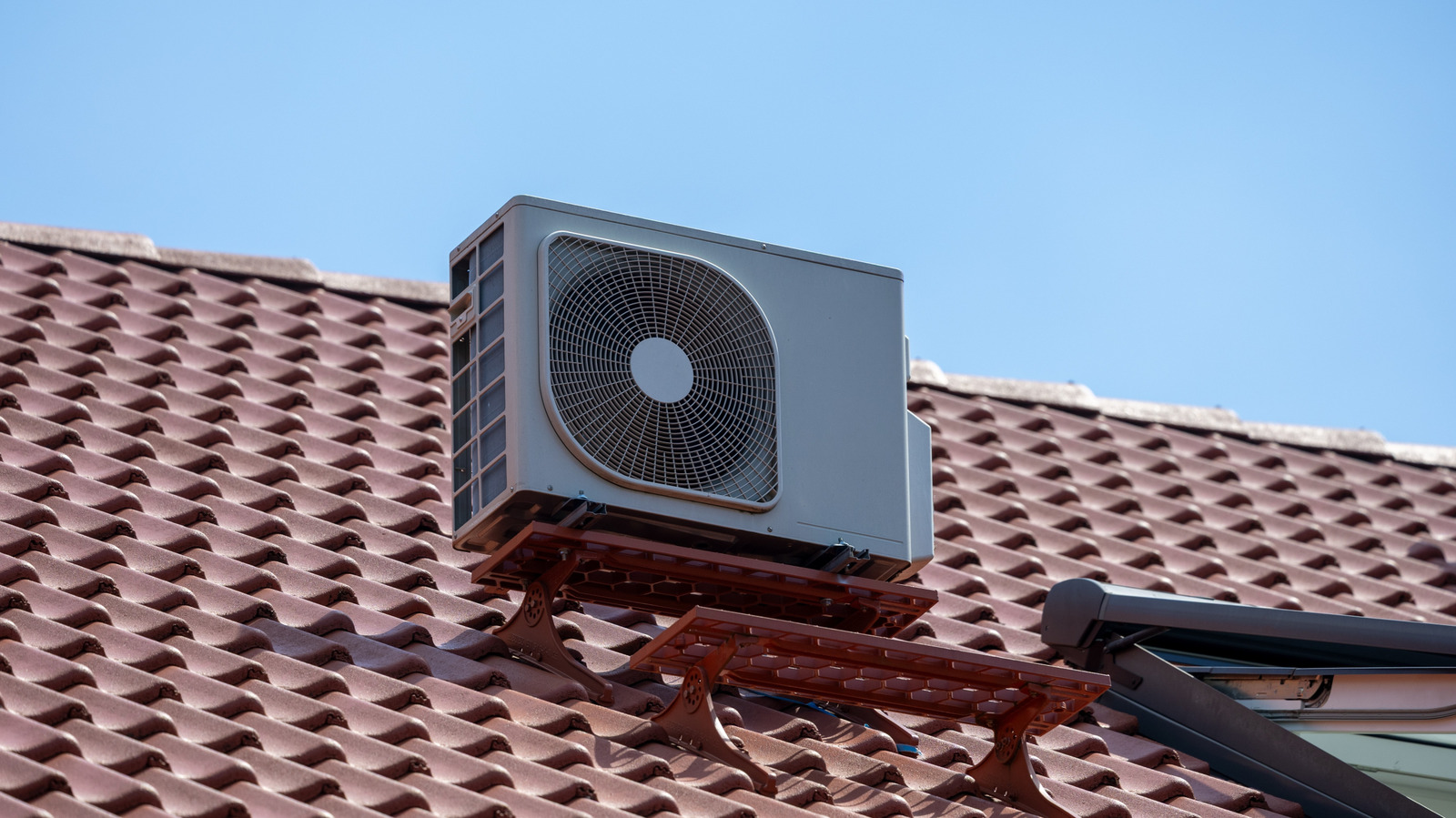
Summer heat is no joke, and when the temperature climbs, the air conditioner can become one of the biggest energy drains in the house. The good news is that a few smart choices can trim waste, ease the strain on the unit, and keep indoor comfort from turning into a budget-buster. From picking the right system in the first place to keeping an existing one in fighting shape, the path to better efficiency is mostly about reducing resistance and letting the machine do its job without working overtime.
One of the biggest mistakes is assuming bigger means better. An oversized AC can cost more upfront and still cool less efficiently because it cycles awkwardly instead of running in a steady, balanced way. A properly sized unit matches the room, the square footage, and even the ceiling height, which helps the system cool more evenly without burning extra power.
Technology also matters more than many shoppers realize. Variable-speed systems are built to adjust instead of snapping between full blast and fully off, which helps them stay more consistent and efficient. Units with Energy Star certification add another layer of confidence, since that label points to stronger testing, better performance, and a lower-energy path to keeping the house livable.
The space around the AC matters just as much as the machine itself. Shade from trees and nearby landscaping can help cut down on heat hitting the home directly, which reduces the workload on the unit. That said, the outdoor condenser still needs clear airflow, so any shade setup should support cooling instead of trapping hot air where it has nowhere to go.
Simple maintenance can make a huge difference, and dirty filters are a classic trouble spot. When filters clog, airflow drops and the system has to push harder just to move cool air through the house. Replacing or cleaning them regularly is one of the easiest ways to keep efficiency high, and it can make the whole system feel stronger almost immediately.
Seals are another quiet culprit. If cool air leaks out around windows, doors, ductwork, or a poorly fitted room unit, the AC has to keep chasing the temperature instead of holding it. Tightening those weak spots keeps the cool air where it belongs, and that means less waste every time the system kicks on.
Clean equipment tends to run better, which sounds obvious until debris starts piling up. Leaves, dust, gunk in the drain line, and general grime can all interfere with how an AC performs, especially in central systems, mini-splits, and evaporative coolers. A quick visual check and regular cleanup can prevent a small mess from turning into a major efficiency drag.
Fans can also help take some pressure off the AC. They do not actually lower the room temperature, but they move air across the skin and create a wind-chill feeling that makes a warmer thermostat setting more tolerable. Ceiling fans are especially useful for circulating cooled air, though they work best when people are actually in the room to feel the effect.
Insulation is easy to overlook because it hides behind walls and in the attic, but it has a direct effect on cooling performance. Good insulation slows heat from creeping inside, which means the AC does not have to fight as hard to maintain a steady indoor temperature. Whether it is attic insulation, floor insulation, or siding support, the right setup can pay off in both summer and winter.
Vent settings deserve attention too. High wall vents usually work best when they send air downward, while ceiling fans can help push that cool air around the room in the right direction. If a vent is shut, blocked, or aimed badly, one corner of the house can turn into a hot zone while the rest stays comfortable.
Manual thermostat tinkering can be tempting, but constant overrides often work against efficiency. Systems are generally designed to operate best when they are left to cycle normally, especially once filters are clean and the equipment is in decent shape. Smart controls can still be useful, but they are most effective when they are not being second-guessed every few minutes.
