
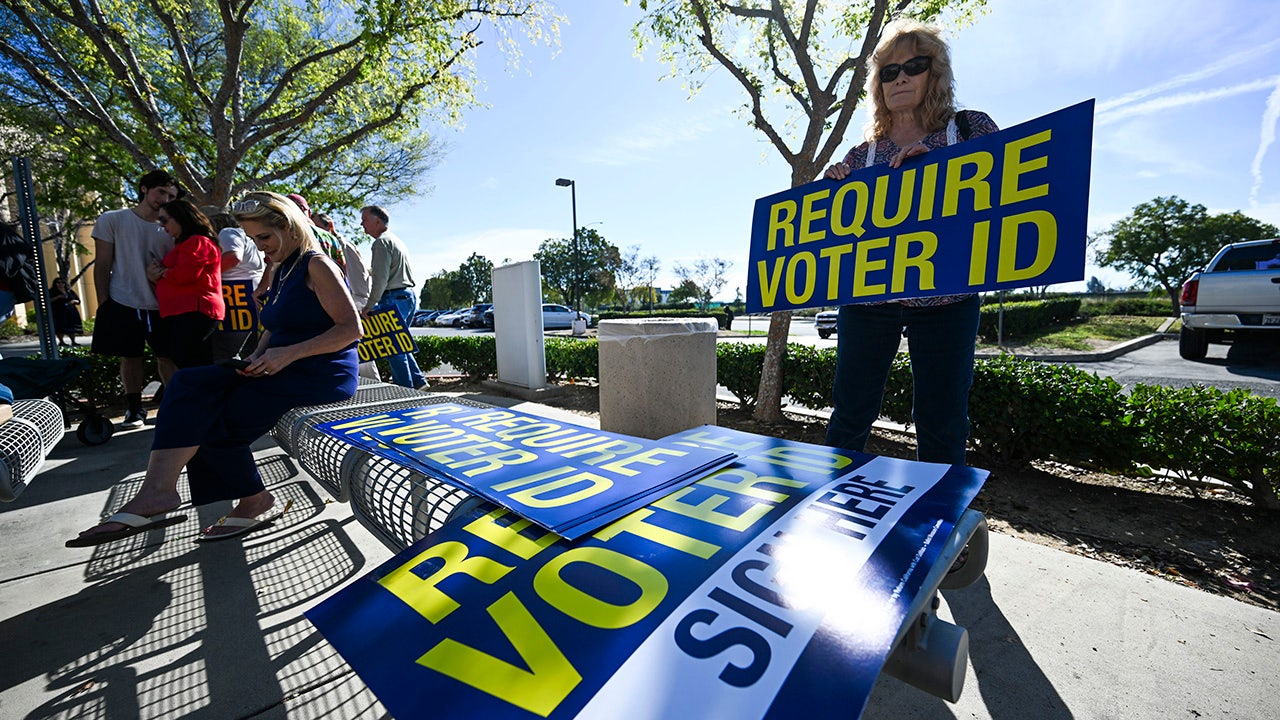
Arizona’s election law battle has landed at the Supreme Court, and the stakes are loud and clear. The case centers on whether the state can keep noncitizens off the rolls and require proof of citizenship from people registering to vote, or whether federal law blocks those steps in the run-up to an election. Election groups say the wrong ruling could freeze states in place and make it nearly impossible to clean up voter rolls when bad registrations surface.
At the heart of the fight is RNC v. Mi Familia Vote, which the justices are set to hear in December. Arizona’s rules are straightforward: remove noncitizen registrations within 90 days of an election and demand citizenship proof at registration. Opponents argue those rules clash with the National Voter Registration Act, while supporters say the laws are basic guardrails meant to protect the ballot box.
Election integrity advocates are pushing back hard on the idea that those rules amount to voter suppression. They say citizenship is not a vague preference but a core qualification for voting, and states cannot enforce that qualification if they are denied the tools to verify it. The argument is simple, direct, and hard to ignore: if a person is never eligible in the first place, a state should not have to sit on its hands.
That is why the amicus brief filed by several election-focused groups is drawing so much attention. The filing calls the 9th Circuit’s view “absurd” and warns that treating Arizona’s enforcement efforts as barred during the NVRA’s 90-day window would create a mess far beyond one state. Under that reading, officials could be stuck with registrations that should never have existed, even when evidence of ineligibility is already sitting in front of them.
The legal tension comes down to federal power versus state authority. Congress can regulate how federal elections operate, but states still have the constitutional power to decide who is qualified to vote and to enforce those qualifications. Supporters of Arizona’s law say that power becomes hollow if states are blocked from getting the information they need to confirm citizenship or remove plainly ineligible registrants.
That point gets sharper when the debate turns to the NVRA’s removal rules. The law generally limits systematic voter-removal programs within 90 days of a federal election, but it allows certain exceptions like death, criminal conviction, mental incapacity, or a voter’s own request. The election groups argue noncitizenship belongs in a different category altogether, since those people were never eligible to register in the first place.
They also warn that bad registrations are not just a paper problem. Once an unlawful ballot is cast and counted, it cannot be pulled back from the system, which is exactly why states want to catch errors early. The brief points to reported registration issues in places like New Jersey, Illinois, and Oregon as proof that mistakes and improper entries are not some rare fantasy.
There is also a practical edge to the argument that resonates with voters who want clean elections. If state officials discover noncitizens on the rolls, supporters of the Arizona law say they should be able to act before Election Day, not after the damage is done. That view is fueling a broader push for voter ID, citizenship verification, and tighter list maintenance across several states.
The 9th Circuit’s interpretation of the federal law is also under fire for how it treats registration forms and citizenship attestations. The challengers say the court gave too much weight to a signed statement and too little to the state’s need for real verification. To them, that leaves the system wide open to abuse, especially when election rules are supposed to protect lawful voters, not give cover to people who should not be on the rolls at all.
Outside the courtroom, the political message is just as sharp. Supporters of Arizona’s law say elections belong to American citizens, not people who slipped through the cracks or used false information to register. That argument is now in the justices’ hands, and the outcome could shape how far states can go when they try to keep voter rolls accurate and voting rules meaningful.
