
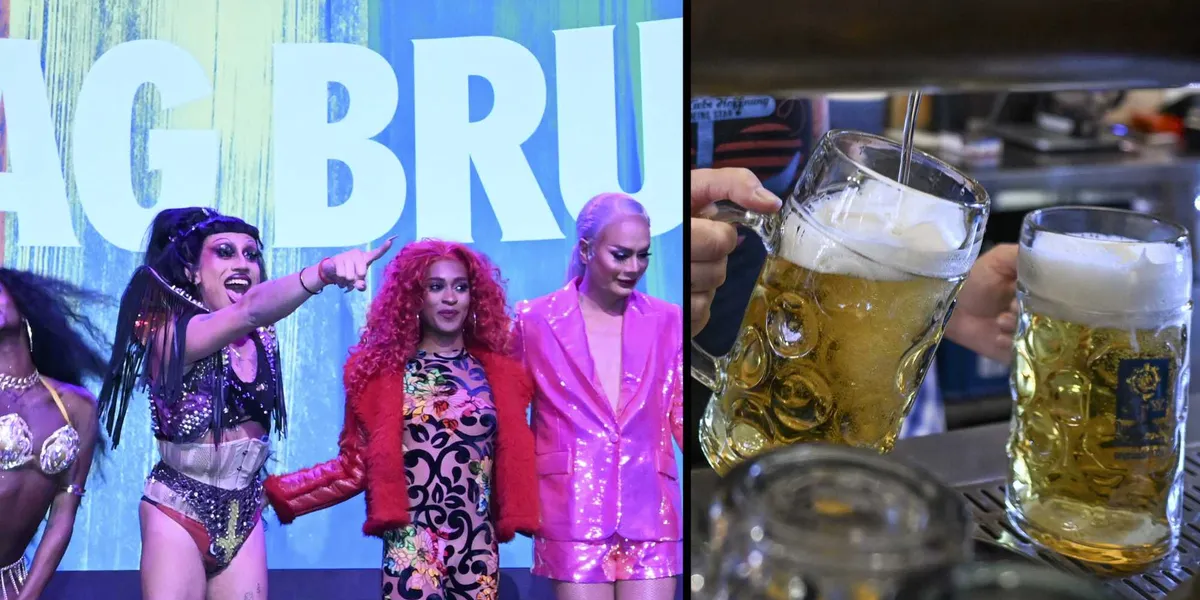
A North Carolina brewery’s plan for a drag show tied to illegal immigration fundraising collapsed after online backlash and reported threats turned the event into a flashpoint. What was being sold as a family-friendly evening quickly became another example of how quickly public pushback can force an organizer to hit the brakes.
The event had been promoted as a drag show meant to raise money for illegal aliens, a combination that drew immediate attention and plenty of anger. Critics saw it as a tone-deaf mix of politics, activism, and entertainment, and the reaction spread fast across social media.
Once the posts started circulating, the pressure built. Reports of harassment and threats added a darker edge to the story, and the brewery moved to cancel the show rather than take on the risk.
The episode landed in familiar territory for a lot of Americans who are tired of seeing public spaces turned into ideological battlegrounds. A brewery is supposed to sell drinks and host customers, not become a stage for divisive political theater that stirs up conflict before the doors even open.
The backlash also showed how powerful social media has become in shaping what businesses can and cannot get away with. One viral post can expose an event to a national audience in minutes, and once that happens, there is no putting the genie back in the bottle.
For supporters of the show, the cancellation may look like intolerance or censorship. But plenty of others see it differently, especially when the event is tied to illegal immigration and marketed in a way that seems designed to provoke rather than unite.
The phrase “family-friendly” only made the controversy sharper. That label set up an expectation that the event would be light, harmless, and open to all ages, while the fundraising cause and the surrounding politics told a very different story.
That gap between branding and reality is where these stories usually blow up. People are more likely to push back hard when they feel something controversial is being dressed up as ordinary community entertainment.
The North Carolina setting mattered too. In a state where cultural fights have become more visible, events like this can ignite fast because they tap into deeper arguments over borders, identity, and what should be considered acceptable in public life.
Drag shows themselves are not new, and neither is the backlash around them. What gave this one extra heat was the stated cause, which turned an already loaded cultural issue into a political one with an immigration edge.
That combination tends to strip away any polite middle ground. People who already dislike these events see the fundraising angle as proof that the show was never just about entertainment, while others argue the uproar says more about public hostility than about the event itself.
Either way, the cancellation sent a clear message about the climate surrounding these kinds of promotions. Businesses may want to jump into the culture war spotlight, but once the attention turns ugly, the costs can come fast and hard.
For now, the brewery is left with a lesson that many companies are learning the hard way. When a controversial event is wrapped in political symbolism, the reaction is rarely quiet, and the fallout can overwhelm whatever message the organizers hoped to send.
