
Gary, Indiana, was already dealing with a long slide when the storm hit, and the blackout made every weak spot impossible to ignore. The city was left wrestling with fallen trees, broken poles, exhausted families, and a recovery process that moved painfully slow. What followed was not just a power outage, but a hard look at what happens when a struggling place gets slammed again.
Gary sits on the southern edge of Lake Michigan and has long carried a complicated reputation. It is known as the birthplace of Michael Jackson, but it is also a former steel-town giant that has faced population loss, vacancy, and deep poverty for years. The city’s decline has been steady enough that every new crisis lands with extra force.
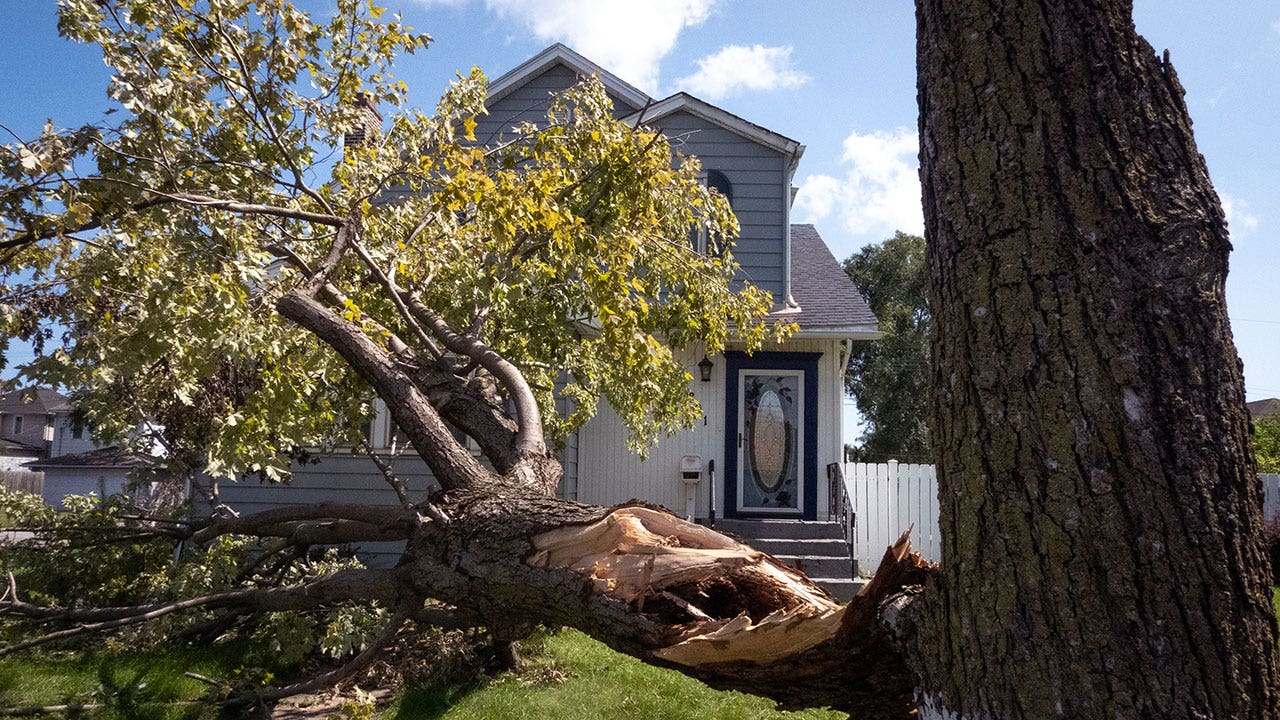
Then came the derecho, a fast-moving wall of destructive straight-line wind that tore through Northwest Indiana. Gusts reached levels usually associated with major hurricanes, and in Gary the damage was brutal. Trees crashed into utility lines, poles snapped, and whole neighborhoods suddenly found themselves in the dark.
For many residents, the outage was not a brief inconvenience. It dragged on for days, and in some places close to two weeks, turning ordinary life into a grind of heat, spoilage, and uncertainty. Air conditioning was gone, phone batteries died, and people who needed medical equipment had to scramble for solutions.
That kind of disruption hits the poorest and oldest residents the hardest. Families tried to save food by cooking what they could in parks, while others worried about losing what little they had left. Businesses couldn’t stay open, generators were stolen, and the city’s daily rhythm simply collapsed.
When the lights stayed off in nearby areas and not in Gary, suspicion started bubbling up. Some residents, frustrated and angry, wondered whether race had something to do with the delay. That anger is real, but frustration does not change the fact that the storm caused massive physical damage that had to be repaired in a specific order.
The utility company said the derecho left behind historic destruction across the region, including hundreds of damaged poles. Crews had to prioritize major lines first so the most people could get power back as safely and efficiently as possible. That is not a political slogan or a social theory, just the reality of fixing a broken grid after a major storm.
The deeper problem is that Gary was already living on borrowed time. Years of deferred maintenance, weak infrastructure, and fading investment left the city vulnerable before the wind ever arrived. Once the storm tore through, those old weaknesses became impossible to hide.
That is where the real debate should be focused. Questions about tree trimming, grid readiness, and long-term infrastructure planning matter because they determine whether a community can withstand the next hit. When those systems fail, people need answers that lead to repairs, not excuses that stop the conversation cold.
At the same time, the response on the ground showed something better than the dysfunction that caused the crisis. Churches, volunteers, and outside groups rolled in with meals, toiletries, and basic supplies. Neighbors helped neighbors, and that kind of practical kindness mattered just as much as the utility trucks.
Gary also showed how fast a wounded city can expose both its pain and its grit. Residents kept pressing for help while nonprofit workers and faith groups stepped into the gap. Even in a place battered by bad luck and bad timing, people found ways to keep each other going.
The storm did not create Gary’s problems, but it stripped them down to the studs. It showed a city where the infrastructure is fragile, the stakes are high, and the temptation to blame bigger forces can sometimes hide the mess right in front of everyone. The better response is to keep pushing for competence, accountability, and the kind of rebuilding that actually lasts.
