
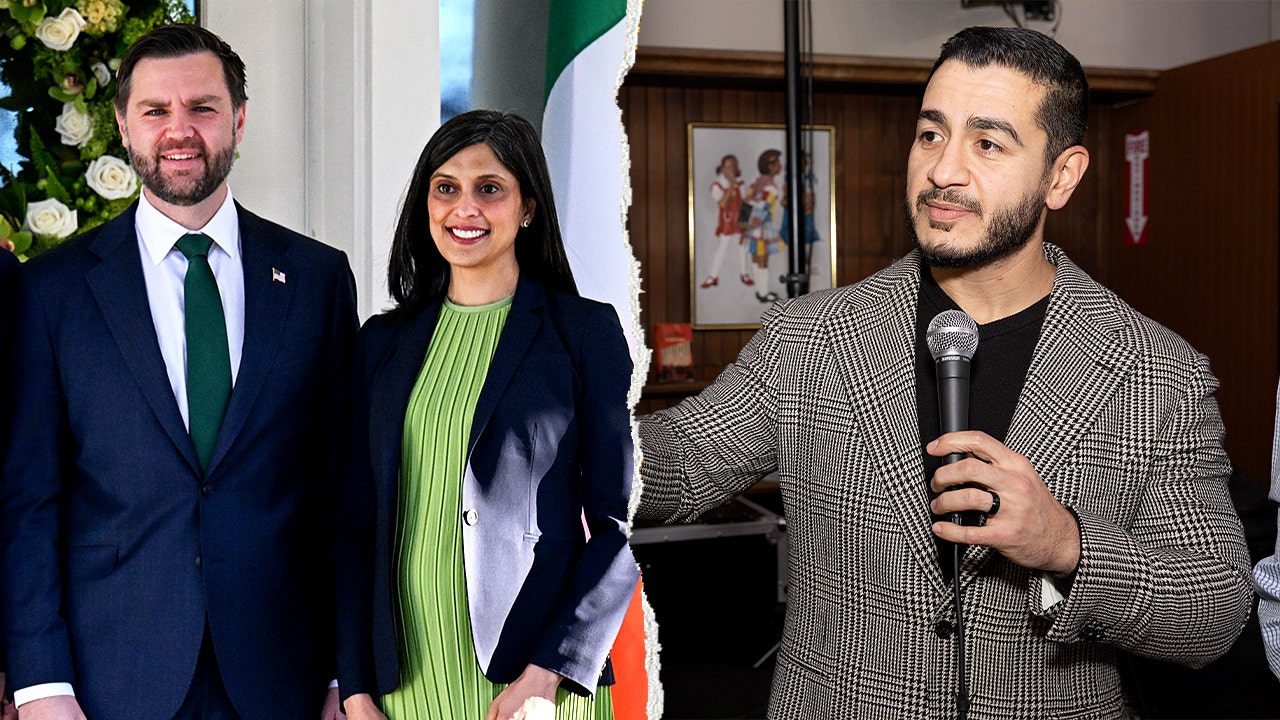
JD Vance went straight at Abdul El-Sayed in Michigan, turning a campaign clash into a blunt warning about family, politics, and respect. The vice president tried to drag the fight back to policy, but the exchange quickly widened into immigration, working-class voters, and the kind of rhetoric that can harden a Senate race fast.
At a rally in metro Detroit, Vance said El-Sayed should stop taking shots at Usha Vance and start talking about issues that matter to Michigan voters. He argued that the state’s voters want a real debate, not cheap shots, and said the Democrat was wasting time by going after another man’s wife instead of making a case on the economy and jobs.
Vance did not sound interested in smoothing things over. He told the crowd that talking about “another guy’s wife” was strange and pushed El-Sayed to focus on public policy, especially the future of auto workers, wages, and manufacturing. The message was clear: if a candidate wants to win over Michigan, the pitch has to be about bread-and-butter concerns, not personal jabs.
The exchange got sharper because it was sparked by a social media post that many critics said appeared to target Usha Vance’s Indian heritage. El-Sayed later argued that his point was about whether Vance was implying some people are somehow “more American” than others because their families have been in the country longer. That explanation did little to cool the backlash, and it kept the spotlight on the broader fight over identity and belonging.
Vance used the moment to throw another punch on immigration and labor. He said El-Sayed’s positions would hurt Michigan truckers and undercut wages, accusing the Democrat of backing policies that favor illegal immigrants over American workers. For Vance, that was the real issue underneath the headline-grabbing feud, and he made sure the crowd heard it loud and clear.
El-Sayed did not let the criticism sit unanswered. He fired back by accusing Vance of defending policies that hurt working people, raise costs, and hand advantages to the wealthy. In his response, he framed the vice president’s attack as part of a bigger pattern, one he said was about division, not leadership.
The Michigan race has already been defined by hard edges, and this latest clash only added more. El-Sayed, who won the Democratic primary, is heading toward a general election showdown with Republican Mike Rogers, while Vance’s remarks put a national spotlight on a contest that could become a proxy fight over immigration, manufacturing, and cultural resentment.
Vance also tied the issue to his broader criticism of left-wing immigration policy, saying El-Sayed had previously supported giving driver’s licenses to people in the country illegally. He argued that kind of stance shows a willingness to put American workers at a disadvantage, especially in a state where trucking and auto jobs still carry real political weight.
That line of attack fits neatly into a bigger Republican message that has been gaining traction in places like Michigan. Vance leaned into the idea that voters are tired of elites, tired of lectures, and tired of candidates who seem more interested in scoring points online than defending local jobs and families.
El-Sayed, for his part, tried to flip the moral language back on Vance and his allies. He accused them of ripping away healthcare, driving up grocery and gas prices, and using fear to distract from what he called the real damage being done to working people. The back-and-forth left the campaign trail looking less like a policy debate and more like a raw contest over who gets to define loyalty, fairness, and who is really on Michigan’s side.
