
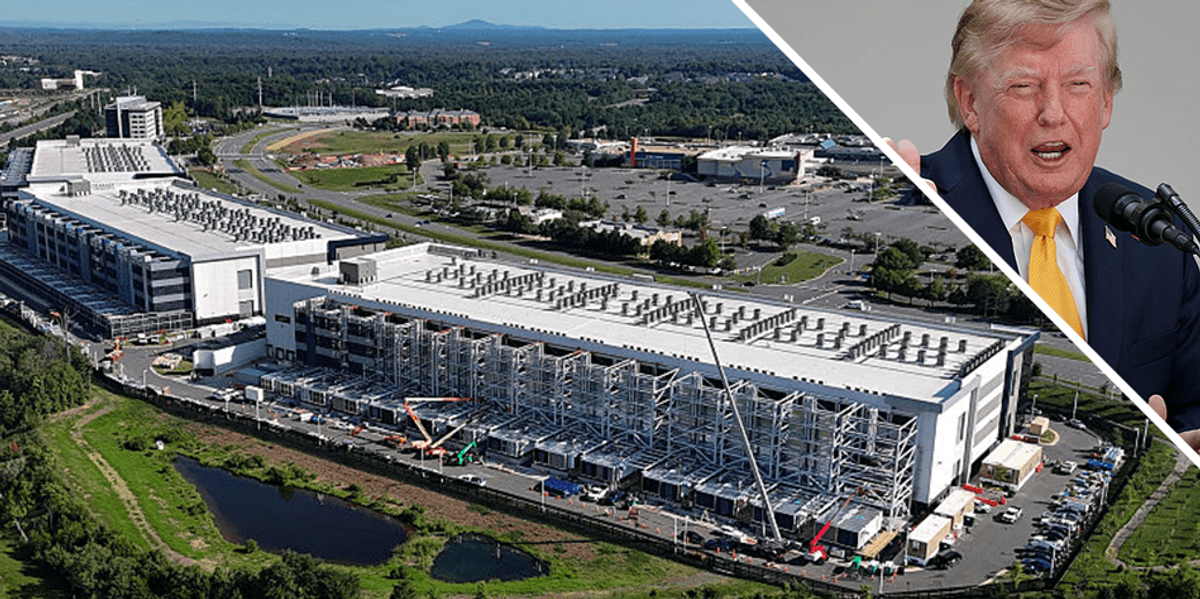
Donald Trump is taking aim at data centers, and the message is stirring up a fresh split inside the right. The criticism is landing at the intersection of tech power, energy demand, and the growing unease many Americans feel about where all this digital buildout is headed.
For years, data centers have been treated like the hidden machinery behind modern life. They power everything from cloud storage to artificial intelligence, but they also gulp electricity, chew through land, and raise hard questions about who benefits when giant companies plant massive server farms across the country.
Trump’s jab cuts against the usual big-tech glow. Instead of treating these facilities like pure progress, he is framing them as part of a bigger problem that includes China, corporate influence, and the way elite tech projects can run roughshod over regular communities.
That is where the friction starts. Some MAGA voters are used to seeing Trump as a blunt defender of American strength, yet even among his base there are people who like the promise of tech growth and jobs, and do not want to hear a hard stop on a booming industry.
Data centers are not just warehouses full of blinking lights. They can change local power grids, drive up energy needs, and put pressure on water use and infrastructure, especially in places already stretched thin. That makes them a natural flashpoint in a country where people are already skeptical of giant corporations making huge demands while ordinary residents get stuck with the mess.
The China angle only adds fuel. Tech politics in the Trump era has rarely been just about software or servers, because every conversation quickly turns into national security, manufacturing, and whether American innovation is really serving the country or just feeding another round of global dependence.
There is also a cultural edge to the fight. A lot of voters hear “data center” and think of distant executives, hidden deals, and expensive plans that sound futuristic but still leave neighborhoods with the bill. That kind of project can look less like a local win and more like another example of big business expecting applause for things people never asked for.
At the same time, the push for more computing power is not slowing down. Artificial intelligence, streaming, digital payments, and nearly every modern service depend on these systems, which means any serious criticism of data centers has to wrestle with the simple fact that the digital economy is built on them.
Trump knows how to make a fight out of that tension. By going after data centers, he is not just poking at a tech trend, he is drawing a line between the people who celebrate endless expansion and the people who want someone in Washington to ask whether bigger always means better.
That’s why the reaction matters so much. When Trump picks a target inside the tech world, it forces a choice between convenience and skepticism, between growth and control, between letting the next wave roll in unchecked and demanding that it serve American interests first.
The debate is not going away any time soon. As more states chase new investment and more companies scramble to build the infrastructure behind AI, energy, and cloud services, the political fight over who pays, who profits, and who gets left out is only getting sharper.
And for voters who already feel burned by slick promises from powerful institutions, a direct hit on data centers does more than spark a headline. It taps into the wider sense that the people making the biggest decisions are often the ones furthest away from the consequences, while everyone else is left trying to keep up.
