
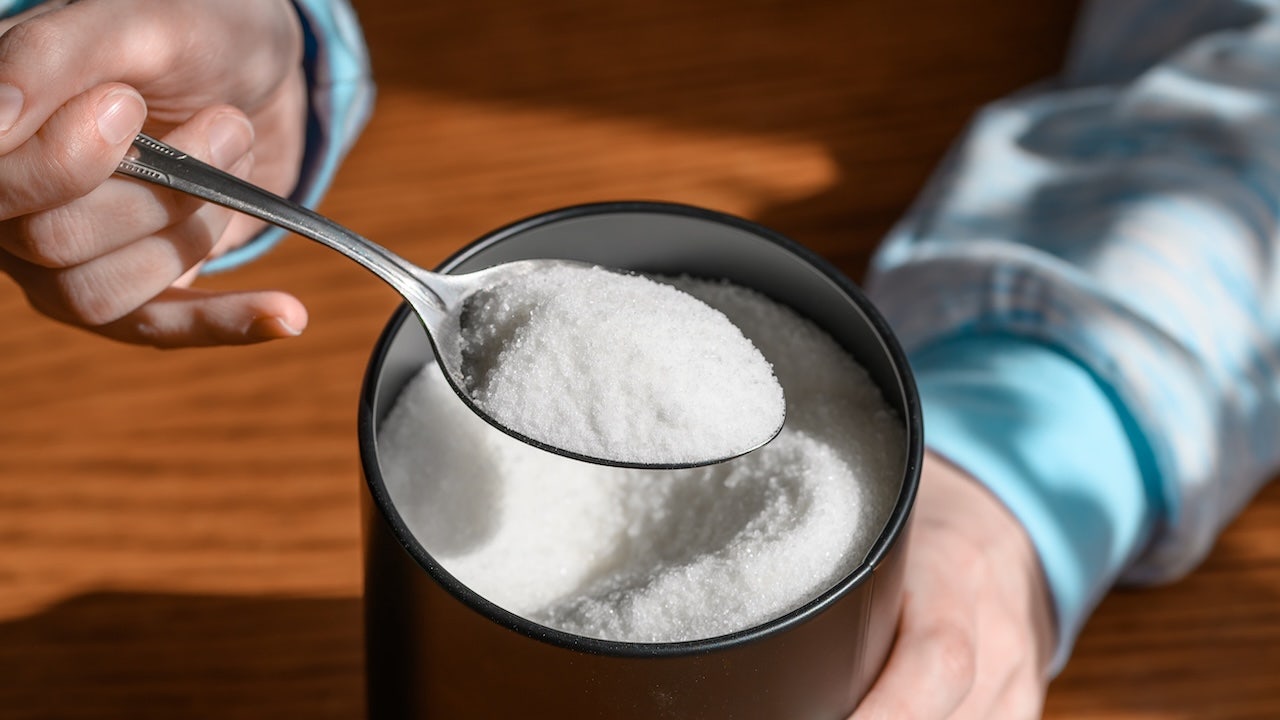
Popular sugar substitutes can seem harmless, especially when they’re sold as the smarter choice for people cutting calories or avoiding regular sugar. But a new study is putting xylitol under a harsh spotlight, linking higher blood levels of the sweetener to a stronger chance of serious cardiovascular problems, including heart attack and stroke.
Researchers presenting findings at the ESC Cardiology Congress in Germany examined data from more than 17,700 participants across two large cohorts in Canada and Britain. The pattern they found was hard to ignore: people with the highest xylitol levels consistently faced worse heart outcomes than those with the lowest levels.
Xylitol is a sugar alcohol found in a wide range of products, from gum and mints to drinks and dental items. It is often marketed as a low-calorie replacement that gives sweetness without the same sugar load, which helps explain why it has become so common in modern packaged foods.
In the Canadian group, the gap was especially sharp. Over six years, participants with the highest xylitol levels had a 57% higher risk of death, myocardial infarction, or stroke tied to cardiovascular events than those at the bottom end of the range.
The European group told a similar story, even if the numbers were a bit less dramatic. Over 30 years, the EPIC-Norfolk participants with the highest xylitol levels had an 18% greater risk of major adverse cardiovascular events, and the trend pointed in the same direction across the board.
What matters most is that the relationship appeared dose-dependent. As blood xylitol levels went up, cardiovascular event rates also rose, which makes the finding feel less like a random blip and more like a signal worth taking seriously.
That said, this was still an observational study, not a clean cause-and-effect experiment. It cannot prove xylitol directly triggered the events, and the researchers stressed that more work is needed before drawing any final conclusions.
There is also another wrinkle: higher blood xylitol may not always come straight from diet. The body can produce the compound naturally during glucose metabolism, so blood levels do not automatically mean someone ate a lot of xylitol-heavy products.
Even with those limits, the results are unsettling because they line up with earlier research suggesting xylitol can make platelets more likely to clump and form clots. That kind of mechanism would fit the broader concern around heart attacks and strokes, where clotting often plays a central role.
Some doctors are paying close attention. London-based cardiologist and public health campaigner Dr. Aseem Malhotra said the findings should be taken seriously, especially since artificial sweeteners are often treated as a safe swap by people trying to protect their health.
He also pointed to the everyday reality many clinicians see in practice, where people report feeling better after backing away from artificial sweeteners. His advice was blunt: “unsweeten your sweet tooth.”
The bigger question now is how much confidence consumers should place in products that promise sweetness without downside. As xylitol shows up more often in food and beverage formulas, the pressure is growing for clearer answers on whether that sweet taste comes with a hidden cardiovascular cost.
