
• Iran’s pressure campaign in the Strait of Hormuz
• A family history shaped by the 1979 revolution
• The regime’s drone, missile, and underground buildup
• Support from Russia, China, and North Korea
• The human cost inside Iran and across the region
• The danger of delay, truce, and half-measures
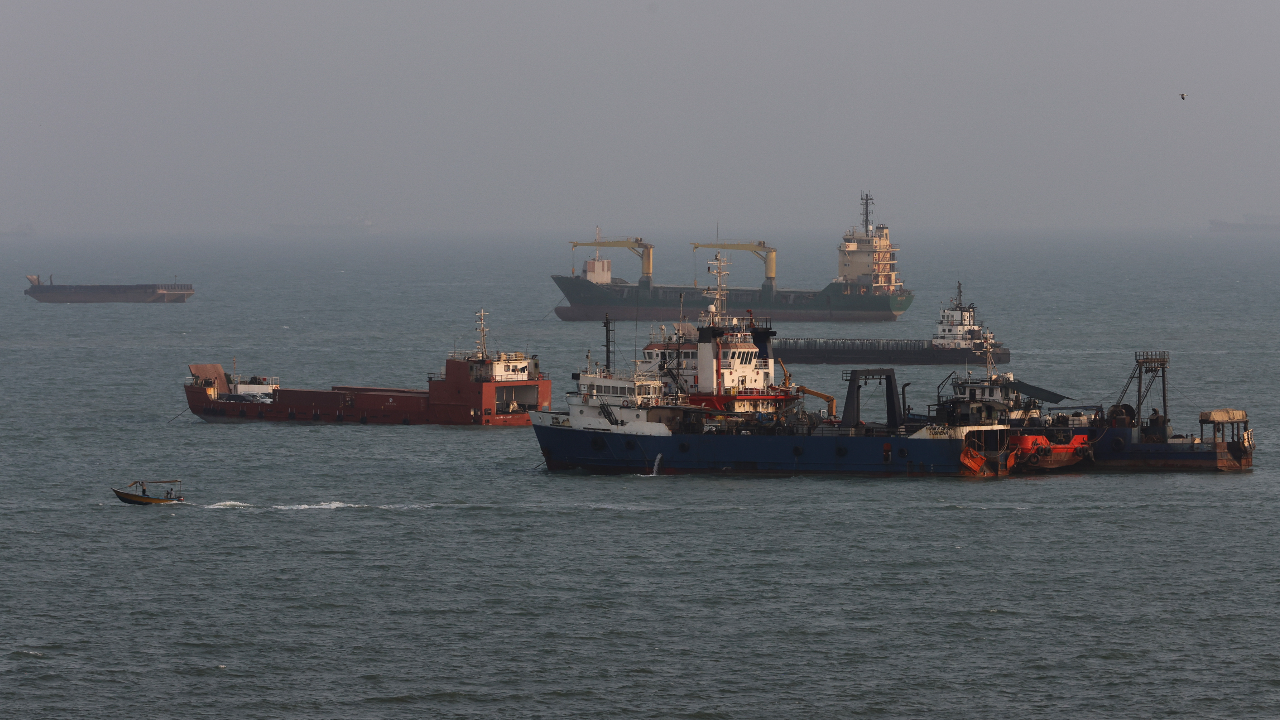
When Iranian mines were finally cleared from the Strait of Hormuz, tankers started moving again and the immediate panic began to fade. That relief can be dangerous, because Tehran has already shown it can drag out a crisis long enough to hurt markets, spook allies, and test American patience. The pause is real, but so is the next move.
For many families who left Iran after the 1979 revolution, this feels painfully familiar. The regime has always relied on time, fear, and exhaustion, and it has never needed to win a clean fight if it can simply survive the next one. That survival instinct is baked into every threat it makes.
Iran is not trying to outgun the United States in a straight-up showdown. It is trying to outlast American resolve, bleed resources, and wait for political fatigue to do the work. That is why the regime keeps pushing its military assets deeper underground while churning out drones at a terrifying pace.
The economics of that fight are ugly. A cheap Iranian drone can be sent into the sky for a fraction of what it costs to knock it down, and that math wears down even the strongest defense systems. When the regime can build thousands of drones a month, the battlefield starts to look less like a contest and more like a pressure cooker.
That pressure does not stay inside Iran’s borders. It spills across the Gulf, hitting shipping lanes, airports, and commercial centers, and forcing neighbors to brace for the next strike. The point is not just destruction, but leverage, because every blast is meant to push somebody else toward concession.
Tehran also has plenty of outside help. Its ties with Russia, China, and North Korea make the regime more dangerous and more stubborn, since each partner lowers the cost of keeping the machine running. Missiles, chemicals, and technology do not arrive by accident, and those supplies help turn a regional menace into a broader international problem.
Inside Iran, the regime’s cruelty has never been subtle. Executions, repression, and the brutal treatment of women, minorities, and dissidents are part of the system, not an occasional abuse. For families who lived through that terror, the real story is not just about weapons and strategy, but about what kind of government treats its own people as disposable.
The pain also reaches far beyond Iran’s prisons and streets. Iranian-backed groups have killed American service members, targeted civilians, and spread instability from Lebanon to Iraq and beyond. The regime has also learned to work through proxies, influence campaigns, and intimidation, which lets it strike without always taking the front seat.
That is what makes patience such a risky word in Washington. A long standoff gives Tehran room to rearm, rebuild, and wait for the next opening, while American households feel the costs in fuel prices, security spending, and global uncertainty. Delay is not neutral when one side has built its entire strategy around delay.
There is a deeper moral issue here too. The Iranian people are not the enemy, and many of them have been fighting the regime from within for years at enormous personal risk. Every day the rulers stay in power, more families lose sons, daughters, freedom, and any hope of a normal life.
America has already shown it can hit hard when it chooses to move. The harder question is whether that force gets used in a way that actually breaks Tehran’s ability to keep threatening the region, or whether it gets diluted into another half-step that only buys the regime more time. The answer will shape not just the next round of fighting, but the next generation of it.
The stakes are bigger than one strait, one blockade, or one deadline. Iran has built a system that thrives on attrition, and every pause can become fuel for another round of buildup, another wave of pressure, and another message that the world should get used to living with the threat. That is exactly the habit the regime wants everybody to accept.
