
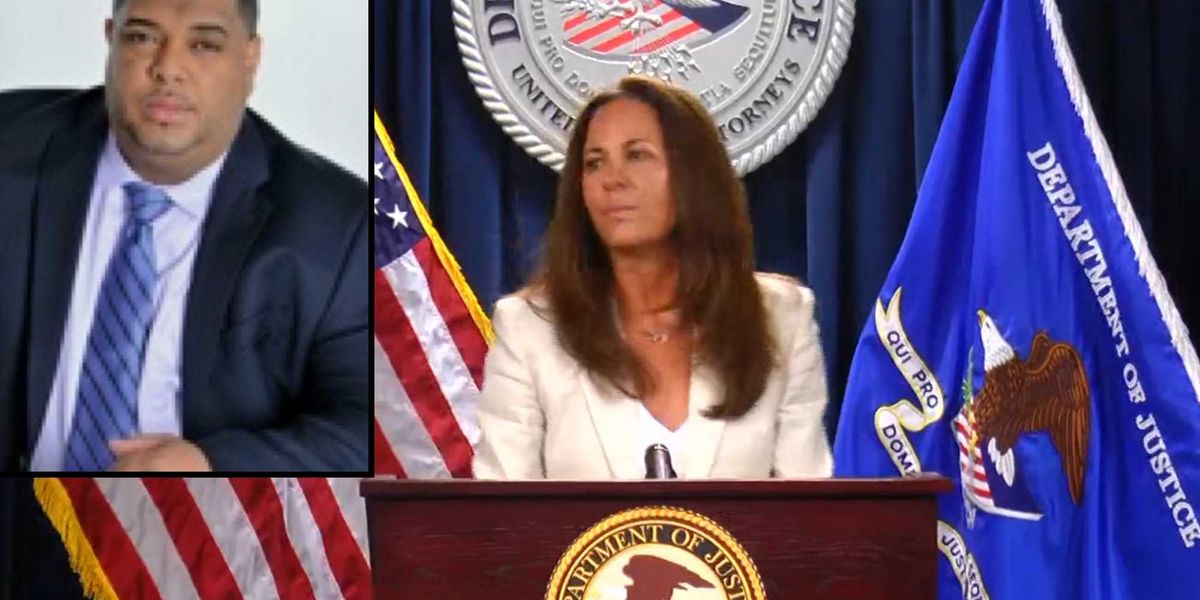
Federal pandemic aid was supposed to help people and businesses survive a brutal crisis, but cases like this show how fast that money could be abused. A Massachusetts Democrat state lawmaker has been arrested in connection with allegations tied to pandemic relief funds, and the accusations have put a bright spotlight on fraud, public trust, and the people elected to guard both. The story lands hard because it mixes taxpayer money, political power, and the kind of conduct that makes ordinary people shake their heads.
According to the allegations, the matter centers on claims that federal funds meant for emergency support were siphoned away through dishonest means. That is the kind of charge that cuts deep in a state already familiar with political drama and public skepticism. When a lawmaker gets pulled into a case like this, the question is not just whether one person crossed the line, but how many people in the system looked the other way before the scheme came undone.
Fraud cases tied to the pandemic have become a nasty chapter in the aftermath of COVID-era spending. Billions moved quickly, oversight struggled to keep pace, and criminals saw an opening. In that environment, wire fraud and similar charges became a common tool for prosecutors trying to unwind what happened when emergency cash met bad intentions.
What makes this especially ugly is the contrast between the purpose of the money and the alleged use of it. Pandemic relief was meant for survival, not games, favors, or personal gain. Every stolen dollar meant less help for families, workers, and small businesses that were barely hanging on.
Cases like this also hit the credibility of state government itself. Voters can stomach disagreement, even hard-fought politics, but they have little patience for leaders who are accused of pocketing money meant for crisis response. Once that trust gets cracked, it does not heal quickly, and every fresh scandal makes it harder for people to believe the next promise.
The arrest also feeds a broader frustration many Americans have with political elites. Too often, politicians speak in polished talking points while regular people deal with rising costs, squeezed budgets, and the feeling that rules are different for the powerful. When an elected official is accused of stealing pandemic funds, that anger is not abstract anymore. It becomes a face, a name, and another reminder that accountability should not stop at the ballot box.
Prosecutors have taken a sharper posture in recent years as pandemic fraud has come under more intense scrutiny. That makes sense, because a lot of these schemes depended on speed, confusion, and the assumption that nobody would ever dig too deeply. Once investigators start tracing the paper trail, the picture can get a lot uglier very quickly.
For Massachusetts, the arrest adds another uncomfortable headline to a state political scene that has seen plenty of its share of controversy. The specific accusations will matter in court, where the evidence has to stand on its own. Still, the political damage often starts long before any verdict, because the public hears the words “arrested” and “pandemic funds” together and immediately understands the stakes.
This is one of those cases that does not need any fancy spin. People know what federal relief was for, and they know what it means when somebody allegedly treats that money like an open vault. The facts will continue to unfold, but the message is already loud: pandemic fraud was never some victimless side hustle, and when it reaches the halls of government, the fallout gets even bigger.
