
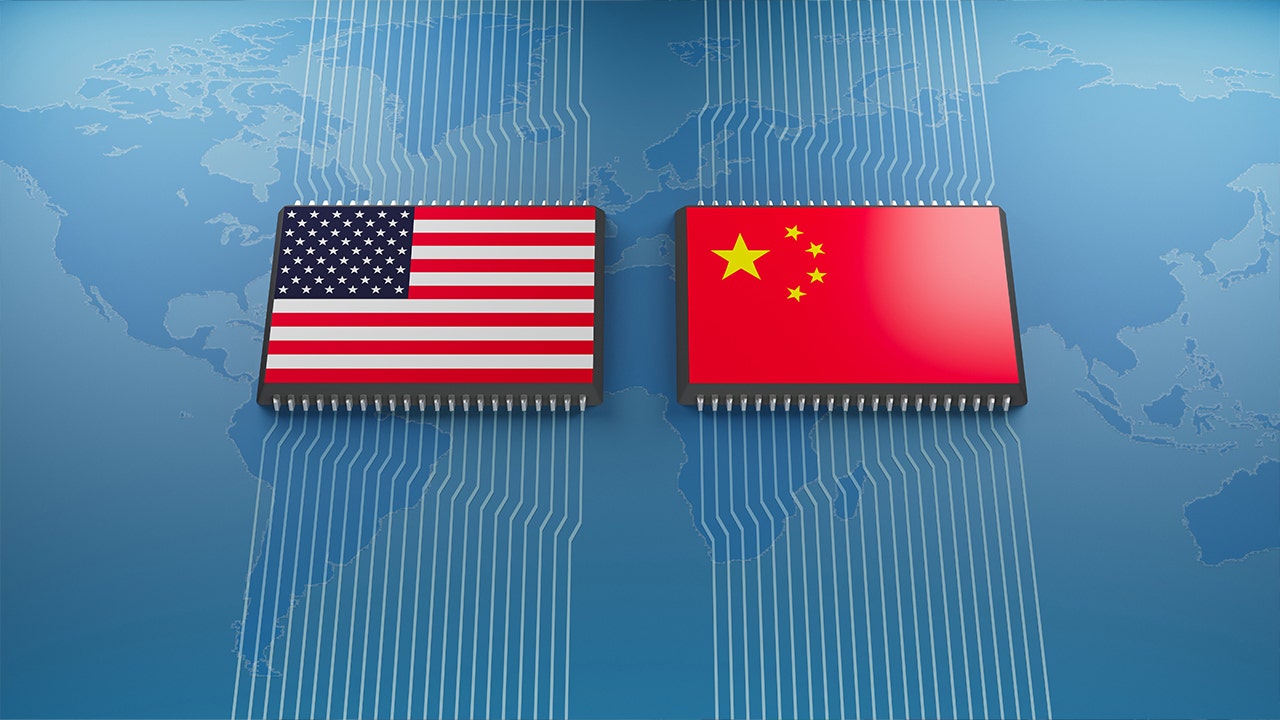
The fight over America’s AI future is turning into a raw clash between growth, security, and organized resistance. New research points to a web of activist groups, some tied to Neville Roy Singham, that has slowed billions in proposed data center investment while China quietly benefits from the drag on U.S. momentum.
AI is no side quest. It sits right in the middle of national security and economic strength, especially as the country tries to keep pace in what looks a lot like a new cold war with China. With an aging workforce, fewer college graduates, and steady labor shortages, the technology is also being seen as a practical answer to pressures that are already here.
That is exactly why the opposition matters. Local worries about electricity, water use, and heavy industrial development are real enough on their own, but they have also become fertile ground for activists who are eager to turn reasonable concerns into a full-scale shutdown effort. The result is a campaign that looks local on the surface while lining up neatly with the interests of America’s rivals.
Singham’s name keeps surfacing because of the reach of his network. Reports have described a system of nonprofits, media outlets, and aligned organizations that share staff, messaging, and political goals, all of it feeding a larger anti-American narrative. Even when the groups deny coordination, the overlap is hard to miss, and it has had real-world effects on major projects.
The Bitcoin Policy Institute says the Party for Socialism and Liberation has been deeply involved in anti-data center fights and that those efforts have delayed or blocked roughly $24 billion in AI infrastructure. That is not some abstract ideological win. It means fewer servers, fewer construction projects, and less backbone for the systems that will drive the next wave of American innovation.
The messaging has been carefully shaped too. Anti-data center arguments often borrow the language of environmental alarm and worker protection, which gives them broader appeal and makes them sound less political than they really are. But when the same talking points show up across different cities and activist groups, the pattern starts to look much less organic.
Meanwhile, the business side of the story keeps getting stronger. Data centers can bring serious tax revenue, and in some places that money is already showing up in school bonuses, public budgets, and broader local gains. Loudoun County, Virginia, for example, expects enormous tax contributions from its growing cluster of data centers, proving that the upside is not just theory.
That does not mean communities should ignore the costs. Energy bills matter, water use matters, and residents deserve a say when giant facilities move into their backyard. But the answer is smart rules, better planning, and direct accountability from the companies building the infrastructure, not a blanket campaign to choke off the industry before it can scale.
The same goes for job fears. AI is not going to freeze the labor market in place, and pretending it will only leaves American workers unprepared for change. The smarter path is to adapt fast, build the systems at home, and make sure the country is the one setting the rules instead of ceding that ground to Beijing.
What is unfolding now is bigger than a zoning dispute or a noisy protest outside a hearing. It is a test of whether the United States wants to lead the next era of technology or let hostile powers and their domestic cheerleaders slow the country down just enough to matter. The people pushing hardest against AI infrastructure may wrap themselves in local language, but the strategic effects land far beyond city limits.
